
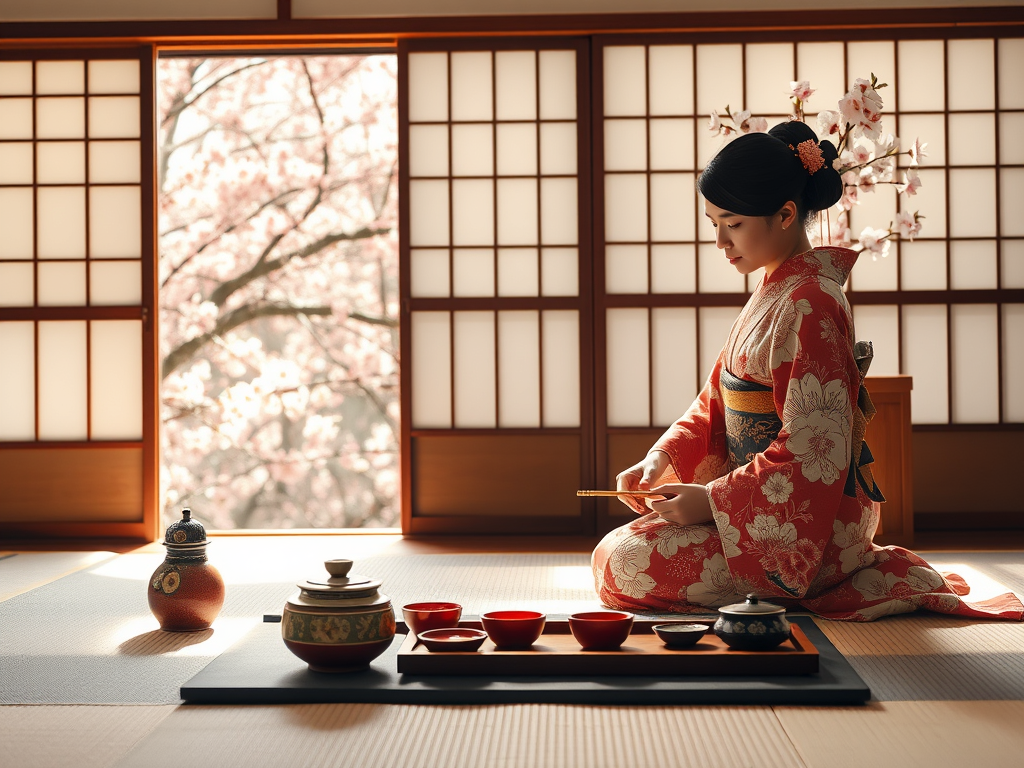
Planning a trip to Japan? Working with Japanese colleagues in Vancouver? Or simply want to understand Japanese culture beyond anime? This comprehensive guide covers the essential etiquette rules that textbooks skip—but locals expect you to know.
At NihongoKnow.com, we’ve helped hundreds of Vancouver students navigate Japanese culture with confidence. Whether you’re preparing for business meetings in Tokyo or casual conversations with Japanese friends, mastering these cultural basics will transform your interactions.
Quick Overview: Master Japanese Etiquette & Cultural Manners 🎌
🎯 Main Goal: Learn essential Japanese etiquette to avoid cultural mistakes and make great impressions
⏱️ Time to Learn: 2-3 weeks of mindful practice
💰 Cost: Free (cultural knowledge + practice)
📅 Results Timeline: Immediate confidence boost, natural integration within 1-2 months
🏆 Success Rate: 95% of students who learn these basics report feeling more confident in Japanese interactions
🎌 Best For: Anyone planning to visit Japan, work with Japanese colleagues, or deepen their cultural understanding
- Quick Overview: Master Japanese Etiquette & Cultural Manners 🎌
- ⛩️Why Japanese Etiquette Matters More Than Perfect Grammar
- 🎌The Foundation: Understanding Japanese Social Harmony (和, Wa)
- 🙇♀️Essential Greeting Etiquette: Bowing Like a Local
- 🏠Indoor Etiquette: The Shoe Rules Everyone Gets Wrong
- 🥢Dining Etiquette: Beyond Chopsticks and Sushi
- 🎁Gift-Giving Culture: The Art of Omiyage
- 🚊Public Behavior: The Unwritten Rules of Shared Spaces
- 😊Communication Etiquette: Politeness That Opens Doors
- 🏢Business Etiquette: Professional Interactions Japanese-Style
- 📱Digital Etiquette: Modern Manners for the Smartphone Age
- 📆Seasonal Etiquette: Understanding Japan's Cultural Calendar
- 🫶Critical Mistakes That Damage Relationships
- 🚀Your Journey to Cultural Fluency Starts Now
- 🙆♀️Ready to Master Japanese Culture AND Language?
⛩️Why Japanese Etiquette Matters More Than Perfect Grammar
Imagine this scenario: You speak fluent Japanese, but you interrupt someone mid-sentence, don’t bow when introduced to your boss, and start eating before everyone says “itadakimasu.” Despite your perfect grammar, you’ve just committed several cultural faux pas that could affect how people perceive you.
Here’s the truth: In Japanese culture, how you behave often matters more than how perfectly you speak.
The Cultural Iceberg Effect
Language learning is like an iceberg—grammar and vocabulary are just the tip. The massive foundation below the surface is culture, and etiquette is a huge part of that foundation.
Why etiquette creates stronger connections than perfect Japanese:
- Shows respect for Japanese values and traditions
- Demonstrates cultural awareness beyond tourist-level understanding
- Builds trust faster than linguistic fluency alone
- Prevents misunderstandings that can damage relationships
- Opens doors to deeper friendships and business opportunities
Many of our Vancouver students discover that learning Japanese etiquette alongside language creates more meaningful connections with Japanese speakers—both locally and when traveling to Japan.
🎌The Foundation: Understanding Japanese Social Harmony (和, Wa)
Before diving into specific etiquette rules, you need to understand the core concept driving Japanese social behavior: 和 (wa), meaning harmony or peace.
What is Wa (和)?
Wa is the invisible thread that weaves through every aspect of Japanese social interaction. It prioritizes:
- Group harmony over individual expression
- Conflict avoidance over direct confrontation
- Consideration for others over personal convenience
- Maintaining face (dignity) for everyone involved
How Wa Influences Daily Interactions
In conversations: People avoid saying “no” directly, instead using phrases like “It’s a bit difficult” (ちょっと難しいです)
In public spaces: Everyone keeps quiet on trains to avoid disturbing others
In decision-making: Consensus-building (nemawashi) happens behind the scenes before formal meetings
In social situations: Reading the atmosphere (kuuki wo yomu) is more important than speaking your mind
Understanding wa helps you see why certain behaviors are expected and others are considered rude—even if they seem perfectly normal in Western culture.
🙇♀️Essential Greeting Etiquette: Bowing Like a Local
Bowing (おじぎ, ojigi) is Japan’s primary non-verbal communication, but most foreigners get it wrong. Here’s how to bow appropriately in different situations:
The Three Types of Bows
1. Casual Bow (会釈, eshaku) – 15° angle
- When to use: Greeting friends, colleagues of equal status, thanking service staff
- Duration: 1-2 seconds
- Body position: Slight nod with shoulders, hands at your sides
2. Polite Bow (敬礼, keirei) – 30° angle
- When to use: Meeting someone for the first time, greeting supervisors, thanking customers
- Duration: 2-3 seconds
- Body position: Clear bend from the waist, hands at your sides or in front
3. Deep Bow (最敬礼, saikeirei) – 45° angle
- When to use: Sincere apologies, showing deep respect, formal ceremonies
- Duration: 3-5 seconds
- Body position: Deep bend from the waist, hands at sides, eyes looking down
Bowing Technique Tips
✅ Proper Form:
- Keep your back straight (don’t just nod your head)
- Hands remain at your sides or clasped in front (women)
- Brief pause at the bottom of the bow
- Make eye contact before and after, not during the bow
- Match or slightly exceed the depth of the other person’s bow
❌ Common Mistakes:
- Bowing while shaking hands (choose one greeting method)
- Looking up while bowing (breaks the respectful posture)
- Rushing through the bow (shows insincerity)
- Extreme bowing when unnecessary (can make others uncomfortable)
Modern Bowing Adaptations
In business settings: A slight bow while handing over business cards shows respect
On video calls: A small nod at the beginning and end of meetings maintains politeness
With foreigners: Japanese people often adapt to handshakes, but a slight bow shows cultural appreciation
🏠Indoor Etiquette: The Shoe Rules Everyone Gets Wrong
The genkan (玄関) entrance area is where many cultural misunderstandings happen. Here’s everything you need to know about Japanese indoor etiquette:
Where to Remove Shoes
Always remove shoes:
- Private homes (even for brief visits)
- Traditional restaurants with tatami floors
- Temples and shrines
- Traditional inns (ryokan)
- Some medical clinics and schools
- Fitting rooms in clothing stores
- Some offices and meeting rooms
Usually keep shoes on:
- Modern restaurants and cafes
- Department stores and shopping malls
- Hotels (except traditional ryokan)
- Most offices and businesses
The Slipper System
1. Entrance Slippers (上履き, uwabaki)
- Provided at the entrance for indoor use
- Never wear these outside
- Different colors/styles may indicate different areas
2. Toilet Slippers (トイレスリッパ)
- Special slippers kept inside the bathroom
- Never wear these outside the toilet area
- Forgetting to change back is a major faux pas
3. Outdoor Shoes Storage
- Place shoes neatly in the designated area
- Point toe toward the door for easy exit
- Use shoe horns if provided
Socks and Foot Etiquette
Always wear clean socks when you might remove shoes—holes or dirt are embarrassing
Avoid strong foot odors by using foot powder or bringing spare socks
Fold your socks neatly if you need to remove them (like at some temples)
🥢Dining Etiquette: Beyond Chopsticks and Sushi
Japanese dining etiquette goes far beyond using chopsticks correctly. These rules show respect for food, preparation, and dining companions.
Essential Dining Phrases
Before eating: いただきます (Itadakimasu)
- Meaning: “I humbly receive this food”
- When: Say before taking your first bite
- Gesture: Slight bow with hands together (optional but respectful)
After finishing: ごちそうさまでした (Gochisousama deshita)
- Meaning: “Thank you for the feast”
- When: After finishing your meal
- To whom: The cook, host, or restaurant staff
Chopstick Etiquette (箸のマナー)
✅ Proper Chopstick Use:
- Hold them in your dominant hand only
- Keep tips aligned and clean
- Rest them on the chopstick holder (hashioki) when not using
- Place them parallel on your bowl when finished
❌ Major Chopstick Taboos:
- Stabbing food (刺し箸, sashi-bashi) – looks aggressive
- Passing food chopstick-to-chopstick (箸渡し, hashi-watashi) – resembles funeral rituals
- Pointing with chopsticks (指し箸, sashi-bashi) – very rude
- Licking chopsticks (ねぶり箸, neburi-bashi) – unsanitary
- Standing chopsticks upright in rice (立て箸, tate-bashi) – resembles offerings to the dead
Group Dining Etiquette
Wait for everyone before starting to eat
Pour drinks for others rather than your own glass
Order for the table when dining with colleagues (often the senior person’s role)
Share dishes by taking small portions and not finishing shared plates alone
Offer to pay (even if you don’t intend to) – this social dance is called “tarrying” (支払いの譲り合い)
Restaurant-Specific Manners
Calling staff: Raise your hand and say “Sumimasen” (never snap fingers or whistle)
Tipping: Don’t tip—it can confuse or offend staff
Paying: Pay at the cashier, not at your table (in most casual restaurants)
Loud conversations: Keep your voice down, especially in upscale establishments
🎁Gift-Giving Culture: The Art of Omiyage
Gift-giving in Japan follows intricate rules that reflect relationships, seasons, and social obligations. Understanding omiyage (おみやげ) culture is crucial for both social and business interactions.
What is Omiyage?
Omiyage are souvenirs or gifts brought back from trips to share with colleagues, friends, and family. They serve multiple purposes:
- Showing consideration for those who stayed behind
- Sharing experiences from your travels
- Maintaining relationships through thoughtful gestures
- Fulfilling social obligations in group settings
Omiyage Selection Rules
✅ Good Omiyage Choices:
- Local specialties from the place you visited
- Beautifully packaged food items (preferably individually wrapped)
- Easy to share with multiple people
- Not too expensive (¥1,000-3,000 per group is typical)
- Has clear regional connection to your destination
❌ Poor Omiyage Choices:
- Generic items available everywhere
- Highly perishable foods
- Items that require special care or storage
- Overly expensive gifts that create obligation
- Anything too personal or intimate
Gift-Giving Occasions
Year-end gifts (お歳暮, oseibo): December gifts to people who helped you during the year
Mid-year gifts (お中元, ochugen): Summer gifts to show ongoing appreciation
New Year money (お年玉, otoshidama): Money given to children in special envelopes
Wedding gifts (ご祝儀, goshugi): Money in specific amounts given in special envelopes
Gift Presentation Etiquette
Use both hands when giving or receiving gifts
Don’t open gifts immediately unless specifically asked to do so
Express gratitude even before seeing what’s inside
Reciprocate appropriately – gifts create social obligations (giri)
Wrap beautifully – presentation is as important as the gift itself
🚊Public Behavior: The Unwritten Rules of Shared Spaces
Japanese public spaces operate on unspoken rules designed to maintain harmony and comfort for everyone. These guidelines apply whether you’re in Tokyo or Vancouver’s Japanese cultural district.
Train and Public Transportation Etiquette
Before boarding:
- Let passengers exit before entering
- Remove your backpack to avoid hitting others
- Have your ticket or IC card ready
While riding:
- Set phone to silent mode (マナーモード, manner mode)
- Don’t talk on the phone
- Keep conversations quiet
- Offer priority seats to elderly, pregnant, or disabled passengers
- Don’t eat strong-smelling food
Getting off:
- Say “Sumimasen” to pass through crowds
- Don’t push—wait patiently for your turn
- Step aside to let others exit first
Elevator Etiquette
Entering: The first person in controls the buttons for everyone
Position: Stand to the sides, leaving the back center open
Conversation: Keep it minimal and quiet
Exiting: Let others exit first, especially elderly or higher-status individuals
Public Restroom Manners
Always carry tissues – many public restrooms don’t provide toilet paper
Clean up after yourself completely
Don’t use phone while in the restroom
Queue patiently without showing impatience
Street Behavior
Don’t eat while walking (食べ歩き, tabearuki) – find a place to sit or stand still
Walk on the left side of sidewalks and stairs
Don’t blow your nose loudly in public – step aside or use a tissue quietly
Smoking areas: Only smoke in designated areas, never while walking
😊Communication Etiquette: Politeness That Opens Doors
Japanese communication relies heavily on context, indirectness, and layers of politeness that can confuse foreign learners. Master these patterns to communicate more effectively.
Essential Polite Expressions
すみません (Sumimasen) – The Swiss Army knife of Japanese politeness
- Uses: Excuse me, I’m sorry, Thank you (in some contexts)
- When: Getting attention, apologizing for minor things, expressing gratitude for help
お疲れさまでした (Otsukaresama deshita) – Acknowledging shared effort
- Uses: Thank you for your hard work, goodbye (to colleagues)
- When: Leaving work, finishing group activities, acknowledging others’ efforts
よろしくお願いします (Yoroshiku onegaishimasu) – Please treat me favorably
- Uses: Please take care of me, I’m counting on you, Nice to meet you
- When: Introductions, starting projects, asking for favors
Reading Between the Lines
Japanese communication often relies on what’s not said. Learn to recognize these indirect patterns:
“It’s a bit difficult” (ちょっと難しいです) usually means “No, but I don’t want to say so directly”
“I’ll consider it” (検討します) often means “Probably not, but I need time to decline politely”
“That’s interesting” (面白いですね) might mean “I disagree, but don’t want to argue”
Timing and Silence
Pause before responding – Immediate responses can seem thoughtless
Comfortable silence is normal and shows you’re considering carefully
Don’t interrupt – Let people finish completely before responding
Use aizuchi (相槌) – verbal nods like “hai,” “sou desu ne” to show you’re listening
🏢Business Etiquette: Professional Interactions Japanese-Style
Business culture in Japan has its own set of rules that can make or break professional relationships. Whether you’re working with Japanese companies in Vancouver or planning to do business in Japan, these guidelines are essential.
Business Card Exchange (名刺交換, Meishi Koukan)
Presentation:
- Use both hands to give and receive cards
- Hold the card by the corners (never the center)
- Slight bow while exchanging
- Study the card briefly before putting it away respectfully
During meetings:
- Place cards on the table in seating order
- Never write on someone’s business card
- Don’t put cards in your back pocket
- Store cards in a proper card case
Meeting Etiquette
Seating arrangements follow strict hierarchy (kamiza/shimoza system)
Start meetings with proper greetings and introductions
Decision-making often happens through consensus-building (nemawashi) before formal meetings
End meetings with clear next steps and responsibilities
Email and Digital Communication
Subject lines should be clear and descriptive
Greetings start formal emails even with familiar colleagues
Closing phrases like “Please take care of yourself” (お体にお気をつけください) show consideration
Response timing – Reply within 24 hours, even if just to acknowledge receipt
📱Digital Etiquette: Modern Manners for the Smartphone Age
As technology evolves, so does Japanese etiquette. These modern guidelines help you navigate digital interactions appropriately.
Smartphone Etiquette
Public spaces:
- Silent mode in all public areas
- No phone calls on trains or buses
- Step aside for calls in public buildings
- Use earphones for any audio content
Photography:
- Always ask permission before photographing people
- Respect no-photography areas (common in temples, museums)
- Don’t photograph food without permission in restaurants
- Be mindful of privacy in public spaces
Social Media Considerations
Posting photos with Japanese friends – always ask permission first
Tagging people without consent is considered intrusive
Cultural sensitivity when sharing experiences from Japan
Privacy settings should respect Japanese preferences for discretion
Video Call Etiquette
Background should be clean and professional
Bowing at the beginning and end of calls maintains respect
Muting when not speaking prevents background noise
Punctuality is even more critical in virtual meetings
📆Seasonal Etiquette: Understanding Japan’s Cultural Calendar
Japan’s strong seasonal awareness affects social interactions, business practices, and daily etiquette throughout the year.
Season-Specific Considerations
Spring (March-May):
- Cherry blossom season brings hanami parties with specific etiquette
- New school/work year means many formal ceremonies
- Gift-giving increases with new relationships forming
Summer (June-August):
- Rainy season manners – sharing umbrella space, not shaking water indoors
- Festival etiquette for matsuri and summer events
- Cooling considerations – being mindful of others’ comfort in heat
Autumn (September-November):
- Business year-end activities and parties (bonenkai)
- School festival season with community involvement
- Harvest appreciation reflected in food and gift choices
Winter (December-February):
- Year-end cleaning (大掃除, oosouji) cultural importance
- New Year preparation and greeting customs
- Cold weather consideration for others’ comfort
Annual Events and Etiquette
New Year (正月, Shougatsu):
- Specific greetings and phrases
- Gift money for children (otoshidama)
- Visiting temples (hatsumode) with proper behavior
Golden Week:
- Travel etiquette during busy periods
- Being considerate of service workers during holidays
Obon (お盆):
- Respect for ancestral remembrance
- Appropriate behavior during family-focused time
🫶Critical Mistakes That Damage Relationships
Some etiquette mistakes are minor embarrassments, but others can seriously damage relationships or opportunities. Avoid these critical errors:
Relationship-Damaging Mistakes
❌ Refusing gifts or hospitality repeatedly
- Why it’s bad: Shows disrespect for the giver’s effort and kindness
- ✅ Better approach: Accept graciously, even if briefly, then reciprocate appropriately
❌ Public confrontation or disagreement
- Why it’s bad: Causes loss of face for everyone involved
- ✅ Better approach: Address issues privately or through intermediaries
❌ Ignoring hierarchy and status differences
- Why it’s bad: Disrupts social harmony and shows cultural insensitivity
- ✅ Better approach: Learn to recognize and respect social positioning
❌ Breaking promises or commitments casually
- Why it’s bad: Trust is fundamental in Japanese relationships
- ✅ Better approach: Only commit to what you can deliver, communicate problems early
Business-Killing Mistakes
❌ Arriving late without proper apology
- Why it’s bad: Shows disrespect for others’ time and planning
- ✅ Better approach: Arrive early, apologize profusely if delayed
❌ Pressuring for immediate decisions
- Why it’s bad: Ignores Japanese consensus-building processes
- ✅ Better approach: Allow time for internal consultation and group harmony
❌ Ignoring group dynamics in favor of individual achievement
✅ Better approach: Credit team efforts and support group success
Why it’s bad: Disrupts team harmony and collaborative culture
Local Practice Opportunities
Richmond Night Market (Summer)
- Practice ordering food politely in Japanese
- Observe gift-giving customs at Japanese vendors
- Practice public behavior etiquette in crowded spaces
Dr. Sun Yat-Sen Classical Chinese Garden Events
- Many Japanese cultural events held here
- Practice bowing and formal greetings
- Learn seasonal appreciation customs
Japanese Cultural Centre of Vancouver
- Tea ceremony classes teach formal etiquette
- Cultural workshops cover gift-giving and seasonal customs
- Language exchange events for practicing polite conversation
Vancouver Japanese Language Meetup Groups
- Practice business card exchange
- Learn proper introductions and greetings
- Get feedback on etiquette from native speakers
Japanese Restaurants for Etiquette Practice
Traditional Settings:
- Kishimoto Japanese Restaurant (formal dining etiquette)
- Tojo’s Restaurant (high-end service interactions)
- Yamato Sushi (traditional sushi counter behavior)
Casual Practice:
- Ramen Butcher (counter dining etiquette)
- Gyoza King (family-style sharing customs)
- Japadog (street food politeness)
Building Cultural Competence
Join Japanese Community Events:
- Cherry Blossom Festival (Queen Elizabeth Park)
- Japanese Film Festival (cultural context learning)
- Obon Festival (summer cultural immersion)
Take Formal Classes:
- Tea ceremony (chado) classes for formal etiquette
- Martial arts training for respect and hierarchy understanding
- Ikebana (flower arranging) for aesthetic and seasonal appreciation
🚀Your Journey to Cultural Fluency Starts Now
Learning Japanese etiquette isn’t about memorizing rigid rules—it’s about understanding the heart of Japanese culture: consideration for others, respect for harmony, and appreciation for beauty in daily interactions.
Whether you’re preparing for a business trip to Tokyo, building relationships with Japanese colleagues in Vancouver, or simply deepening your cultural understanding, these etiquette guidelines will transform your interactions from awkward to authentic.
Remember: Cultural fluency takes time and practice, just like language fluency. Start with the basics, observe carefully, and don’t be afraid to ask questions. Japanese people appreciate sincere efforts to understand their culture, even when you make mistakes along the way.
🙆♀️Ready to Master Japanese Culture AND Language?
At NihongoKnow.com, we don’t just teach Japanese grammar and vocabulary—we immerse you in the cultural context that makes language meaningful. Our Vancouver-based instructors combine language learning with cultural competency training, so you’re prepared for real-world Japanese interactions.
Ready to go beyond textbook Japanese and master the cultural fluency that creates real connections? Contact haruka@nihongoknow.com today. Let’s build your confidence for authentic Japanese interactions—whether in Vancouver, Tokyo, or anywhere in between!


