
What to Expect
Your Japanese Learning Journey Starts Here
You don’t need to know everything before you begin. Here’s what you can expect as you start learning with NihongoKnow.
1.Before Your First Lesson
Learning plan
We’ll understand your current level and goals.

Clear starting point
You’ll know where to start and what to focus on.

No heavy preparation
You don’t need to prepare everything in advance.
2.Your First Few Lessons

Japanese from day one
Start using Japanese from the beginning.
Mistakes become learning points
Mistakes get caught and reshaped on the spot, so they don’t turn into habits.

A foundation that fits you
Build your Japanese around your current level and goals.
3. Between Lessons

Weekly learning path
Each week, you’ll have a clear set of materials to work through—new vocabulary, reading, grammar, a weekly goal, and personal feedback.

Personalized practice
You’ll also learn the Japanese you need for the topics you actually want to talk about, so your practice connects directly to real communication.

Keep building outside class
Each chapter includes speech practice and additional reading to help you keep expanding your Japanese beyond the lesson.
As your Japanese grows, so does the way you learn.
At the beginner level, you’ll follow a clear structure that gives you the foundation you need. As you reach the intermediate level, the content becomes richer and more extensive, while you take a bigger role in shaping the lessons. You’ll speak more freely, receive corrections in real time, and gradually develop more natural Japanese.
4. How this tends to unfold over time
Every learner moves at their own pace, but here’s a general pattern many students recognize in their own journey.
This isn’t a fixed timeline; some students move faster, some slower, and that’s completely normal.
What matters is the direction: steady, consistent movement toward using Japanese as a living language, not just something you study.
5. As You Progress
As your Japanese develops, so does what you’re able to do with it. Your lessons gradually become more complex, more flexible, and more focused on helping you express yourself naturally.
Frequently Asked Questions
Did you
know?
Research shows that how you practice matters more than how long. A little structured speaking practice goes a long way, and self-study alone often isn’t enough to get there.

More vocabulary retained after just 10 minutes of daily speaking practice, compared to passive study alone
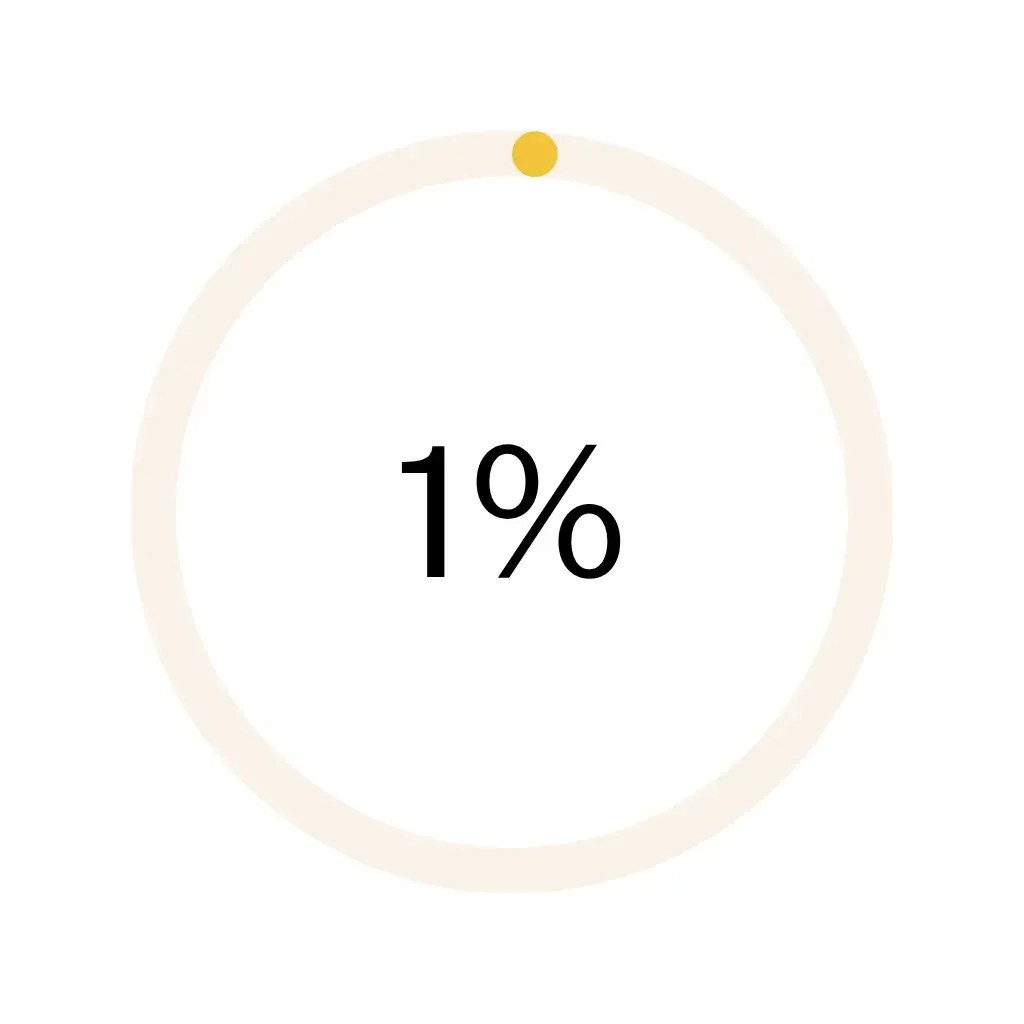
Less than 1% of self-guided language learners actually complete a course on their own

Whether private or small group, personalized feedback and attention consistently lead to better learning outcomes than large, one-size-fits-all classes

Here’s your first step
Ask current availability and let us know your preference !
Chat soon,
Haruka


Vancouver, Canada
haruka@nihongoknow.com

I’m so glad to hear from you !