
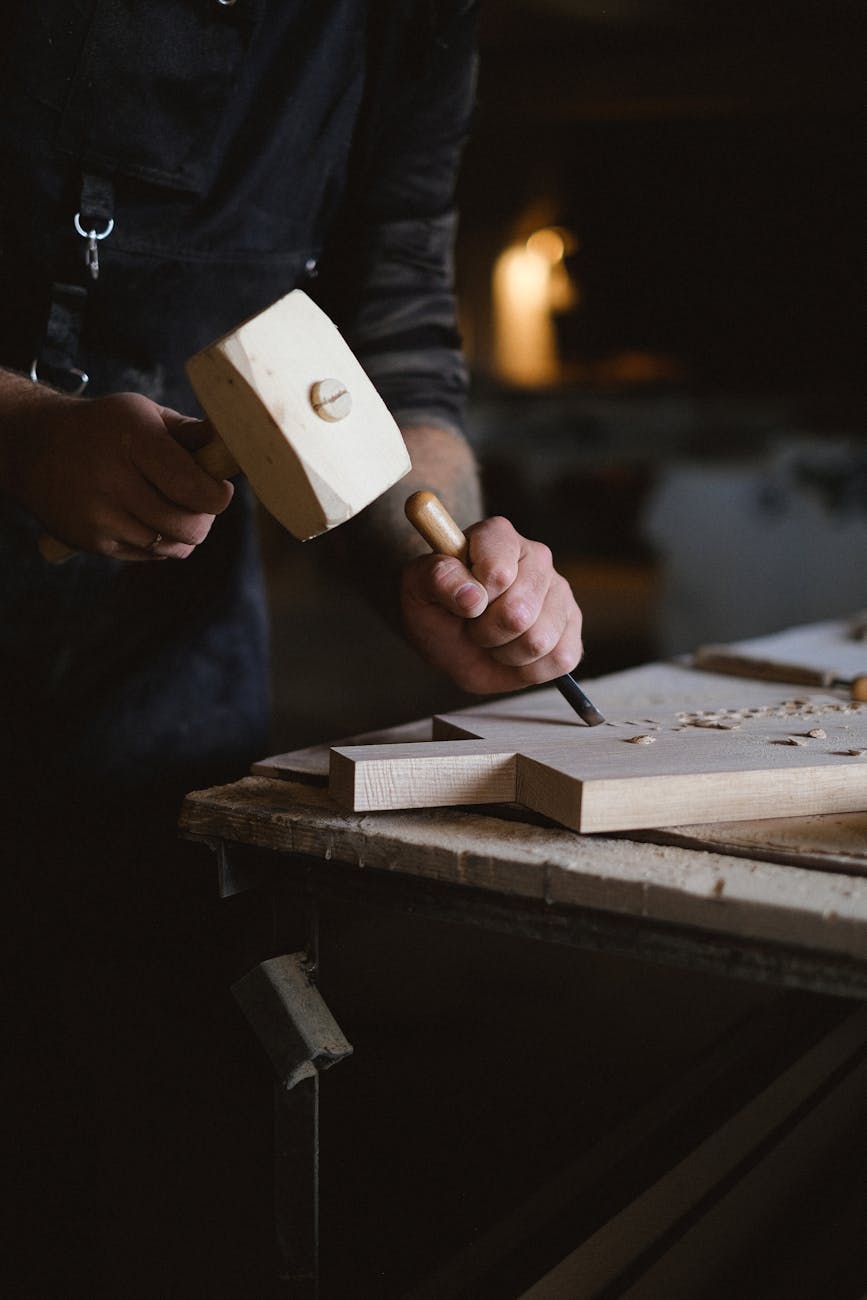
Have you ever wondered what it would be like to sit with a master potter in their studio, watching centuries-old techniques come to life? 🏺 Or perhaps you’ve dreamed of conversing with a kimono weaver about the intricate patterns that tell stories of Japanese seasons? 🌸
For those fascinated by Japanese traditional crafts—pottery, lacquerware, textiles, or woodworking—the experience transcends simply purchasing a beautiful object. Meeting and connecting with the artisans (職人 shokunin) themselves opens a window into Japan’s living cultural heritage, where ancient wisdom meets passionate dedication.
Quick View 👀
What You’ll Learn:
- Essential Japanese phrases for craft workshops and studios
- Cultural etiquette when meeting traditional artisans (職人 shokunin)
- How to show genuine respect and build meaningful connections
- Regional craft specialties across Japan
- Tips for deeper cultural immersion through language
Perfect for: Culture enthusiasts, craft lovers, Japan travelers, and anyone interested in authentic cultural experiencesReading Time: 5 minutes Difficulty Level: Beginner-friendly Japanese phrases
- Quick View 👀
- Why Language is Your Key to Authentic Craft Experiences 🗝️
- Essential Japanese Phrases for Craft Workshop Visits 🗣️
- The Art of Respectful Communication with Artisans 🙏
- Regional Craft Specialties: Where Language Opens Doors 🗾
- Building Bridges Through Language: Beyond Tourism 🌉
- Practical Tips for Your Craft Journey 💡
- The Digital Age: Online Craft Learning Opportunities 💻
Why Language is Your Key to Authentic Craft Experiences 🗝️
Japanese traditional crafts aren’t just about technique—they’re vessels carrying centuries of history, local identity, and profound philosophy. Each piece tells a story, and who better to share that story than the artisan who breathed life into it?
However, here’s the reality: many master craftspeople, especially those working in rural areas or family workshops, may have limited English proficiency. This language gap often leaves visitors feeling like they’re viewing art through a window rather than stepping inside to truly understand it.
The good news? Even basic Japanese phrases can transform your experience from surface-level appreciation to meaningful cultural exchange. 🌟
The Cultural Significance of Direct Communication
In Japanese culture, the relationship between artisan and appreciator is deeply valued. When you make the effort to communicate in Japanese, you’re not just speaking a language—you’re demonstrating respect (sonkei 尊敬) and genuine interest (kyōmi 興味) in their craft and culture.
This effort often results in artisans:
- Sharing stories behind their techniques 📖
- Explaining cultural significance you’d never learn from guidebooks
- Sometimes even offering hands-on demonstrations
- Creating a memorable, personal connection that enriches both your experiences
Essential Japanese Phrases for Craft Workshop Visits 🗣️
Getting Started: Polite Introductions
- こんにちは。見学させていただけませんか? (Konnichiwa. Kengaku sasete itadakemasen ka?) Hello. Would it be possible for me to observe your work?
- お忙しい中、ありがとうございます。 (Oisogashii naka, arigatō gozaimasu.) Thank you for your time despite being busy.
Showing Genuine Interest
- どうやって作るのですか? (Dō yatte tsukuru no desu ka?) How do you make this?
- 何年ぐらい修行されましたか? (Nannen gurai shugyō saremashita ka?) How many years did you train/apprentice?
- これは手作りですか? (Kore wa tezukuri desu ka?) Is this handmade?
- 伝統的な技法ですね。 (Dentō-teki na gihō desu ne.) That’s a traditional technique, isn’t it?
Expressing Admiration
- 素晴らしい作品ですね! (Subarashii sakuhin desu ne!) What a wonderful piece of work!
- とても美しいです。 (Totemo utsukushii desu.) It’s very beautiful.
- 感動しました。 (Kandō shimashita.) I’m deeply moved/impressed.
Asking About Cultural Context
- この模様に意味がありますか? (Kono moyō ni imi ga arimasu ka?) Does this pattern have meaning?
- 地域の特色はありますか? (Chiiki no tokushoku wa arimasu ka?) Are there regional characteristics?
- いつ頃から続いている伝統ですか? (Itsu goro kara tsuzuite iru dentō desu ka?) From when has this tradition continued?
The Art of Respectful Communication with Artisans 🙏
Essential Cultural Etiquette
1. Use Polite Language (Keigo) Always employ the です・ます (desu/masu) form when speaking with artisans. This shows proper respect for their expertise and age (many are elderly masters).
2. Listen Actively Japanese communication values chinmoku (silence) and thoughtful listening. Don’t feel pressured to fill every pause with words.
3. Express Gratitude Frequently
- ありがとうございます (arigatō gozaimasu) – Thank you
- 勉強になりました (benkyō ni narimashita) – I learned so much
- お時間をいただき、ありがとうございました (ojikan wo itadaki, arigatō gozaimashita) – Thank you for giving me your time
4. Show Physical Respect
- Bow slightly when greeting and departing
- Handle any objects with both hands
- Ask permission before touching anything
Body Language That Speaks Volumes
Your non-verbal communication is equally important:
- Nodding (unazuku) shows you’re following along 👍
- Gentle bowing demonstrates respect
- Attentive posture shows genuine interest
- Taking notes (with permission) indicates serious appreciation
Regional Craft Specialties: Where Language Opens Doors 🗾
Kyoto: The Imperial Craft Capital 👘
- Nishijin-ori (西陣織): Traditional silk weaving
- Kiyomizu pottery (清水焼): Delicate ceramics
- Useful phrase: 京都の伝統工芸は本当に素晴らしいです (Kyōto no dentō kōgei wa hontō ni subarashii desu) – Kyoto’s traditional crafts are truly wonderful
Ishikawa Prefecture: Gold Leaf and Lacquerware ✨
- Kanazawa gold leaf (金沢箔): 99% of Japan’s gold leaf production
- Wajima-nuri lacquerware (輪島塗): UNESCO recognized craft
- Useful phrase: 金沢の箔は世界一ですね (Kanazawa no haku wa sekai-ichi desu ne) – Kanazawa’s gold leaf is world-class
Arita, Kyushu: Porcelain Paradise 🏺
- Arita porcelain (有田焼): 400+ year tradition
- Useful phrase: 400年の歴史を感じます (Yonhyakunen no rekishi wo kanjimasu) – I can feel the 400 years of history
Okinawa: Unique Island Crafts 🌺
- Bingata dyeing (紅型): Vibrant textile art
- Ryukyu glass (琉球ガラス): Colorful glasswork
- Useful phrase: 沖縄独特の美しさですね (Okinawa dokutoku no utsukushisa desu ne) – This has Okinawa’s unique beauty
Building Bridges Through Language: Beyond Tourism 🌉
Learning Japanese for traditional crafts isn’t just about memorizing phrases—it’s about building authentic connections that transcend cultural boundaries. When you speak even basic Japanese with artisans, you’re:
Creating Mutual Respect
Your language effort shows that you value their culture enough to learn about it properly. This often leads artisans to share deeper insights they might not offer to typical tourists.
Preserving Living Traditions
By engaging meaningfully with craftspeople, you become part of the tradition’s continuation. Your genuine interest helps validate their life’s work and may inspire them to keep teaching others.
Developing Cultural Sensitivity
Through language learning, you gain understanding of concepts like shokunin kishitsu (craftsman’s spirit) – the dedication to perfection that drives Japanese artisans.
Practical Tips for Your Craft Journey 💡
Before You Visit
- Research the specific craft and learn related vocabulary
- Practice pronunciation using language learning apps
- Prepare thoughtful questions that show genuine interest
- Learn about the artisan’s background if possible
During Your Visit
- Start with simple greetings to gauge comfort level
- Ask permission before taking photos or videos
- Be patient – allow conversations to develop naturally
- Take notes to remember what you’ve learned
After Your Visit
- Send a thank-you message (in Japanese if possible)
- Share your experience respectfully on social media
- Continue learning about the craft you discovered
- Consider purchasing authentic pieces to support artisans
The Digital Age: Online Craft Learning Opportunities 💻
With technology bridging distances, many artisans now offer virtual workshops and online demonstrations. Japanese language skills become even more valuable as you can:
- Join live streaming workshops from Japan
- Participate in Q&A sessions with masters
- Access Japanese craft tutorial videos with better comprehension
- Connect with international craft communities using Japanese
This global accessibility makes Japanese language learning for crafts more relevant than ever, whether you’re in Vancouver, Toronto, New York, or anywhere else in the world! 🌍
Ready to deepen your connection with Japanese culture through language? At NihongoKnow.com, we specialize in practical Japanese for real-world cultural experiences. Whether you’re planning a craft workshop tour in Japan or want to connect with artisans online, we’ll help you communicate with confidence and cultural sensitivity. 🌟Start your journey today – because the most beautiful conversations happen when language becomes a bridge, not a barrier! 🌉


