
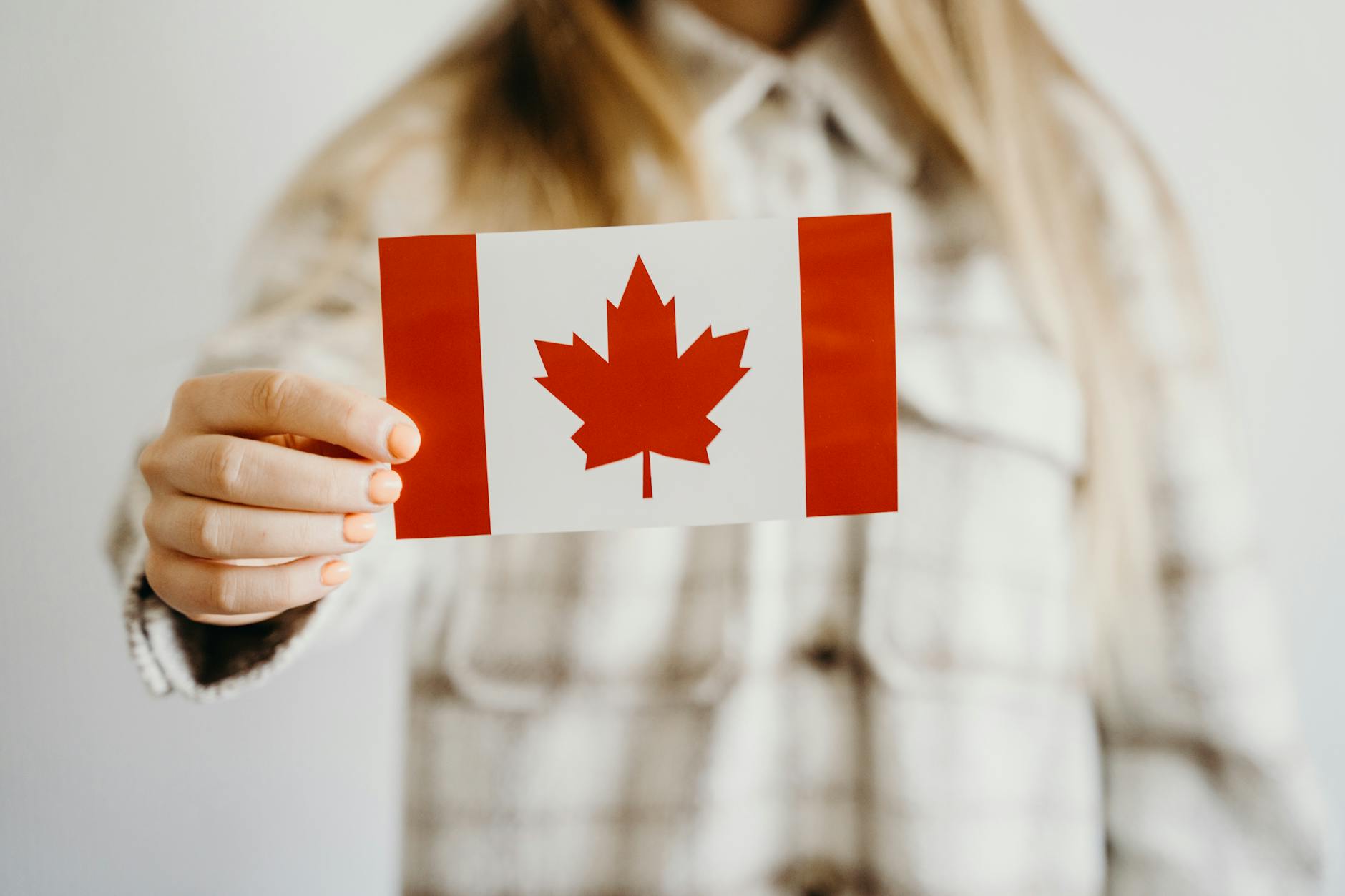
Are you learning Japanese in Vancouver or anywhere else in Canada? 🇨🇦 One of the most rewarding aspects of language learning is being able to share your own culture with native speakers. Whether you’re chatting with Japanese exchange students at UBC, visiting Japan, or taking online Japanese lessons, knowing how to explain Canadian holidays in Japanese will make your conversations much more meaningful!
In this comprehensive guide, we’ll explore how to describe Canada’s most important holidays using natural Japanese expressions that will impress your Japanese friends and teachers. 🌟
📋 Quick View
Perfect for: Japanese language learners in Canada, students preparing for cultural exchanges, and anyone wanting to share Canadian traditions with Japanese friends
What you’ll learn:
- How to explain 7 major Canadian holidays in natural Japanese 🎌
- Cultural comparison tips to make conversations more engaging 💬
- Ready-to-use phrases for real conversations 🗣️
- Local Vancouver context for Japanese learners 🏔️
Reading time: 5 minutes | Skill level: Beginner to Intermediate
- 📋 Quick View
- 🦃 Thanksgiving (感謝祭・かんしゃさい) – Canada's Unique October Celebration
- 👑 Victoria Day (ビクトリア・デー) – Canada's Royal Connection
- 🎆 Canada Day (カナダ・デー) – Our National Pride Celebration
- ❄️ Christmas (クリスマス) – Canadian Winter Magic
- 🥳 New Year's Day (元日・がんじつ) – Western Style New Year
- 🍁 Labour Day (レイバー・デー) – End of Summer Celebration
- 🎃 Halloween (ハロウィン) – North American Fun
- 🎯 Pro Tips for Explaining Canadian Holidays in Japanese
- 🌟 Why This Matters for Japanese Learners in Canada
- 🚀 Ready to Take Your Japanese to the Next Level?
🦃 Thanksgiving (感謝祭・かんしゃさい) – Canada’s Unique October Celebration
🎯 Key Japanese Phrase: 「感謝祭(かんしゃさい)は、家族や友人と集まって七面鳥(しちめんちょう)やパンプキンパイを食べる日です。カナダでは10月の第2月曜日に行います。アメリカと違って、カナダは早いんです!」
English explanation: Canadian Thanksgiving falls on the second Monday of October (much earlier than American Thanksgiving!). It’s all about family gatherings, turkey dinners, and expressing gratitude for the harvest season.
💡 Cultural Bridge: Compare it to Japanese family gatherings during お正月 (New Year) – both holidays emphasize family time and special foods!
Vancouver Context: Many Japanese students in Vancouver are surprised to learn that Canadian Thanksgiving is in October, not November like in the US! 🍂
👑 Victoria Day (ビクトリア・デー) – Canada’s Royal Connection
🎯 Key Japanese Phrase: 「ビクトリア・デーは、イギリスの女王ビクトリアの誕生日を祝う日です。5月の第3月曜日に祝日になり、夏の始まりを知らせる大切な日です。花火大会もたくさんあります!」
English explanation: Celebrated on the third Monday of May, Victoria Day honors Queen Victoria’s birthday and unofficially kicks off summer in Canada. Expect fireworks displays across the country! 🎆
💡 Cultural Bridge: Explain it like Japan’s Golden Week – a spring holiday that signals the beginning of warmer weather and outdoor activities.
Vancouver Highlight: The spectacular fireworks at English Bay are a must-see Victoria Day tradition!
🎆 Canada Day (カナダ・デー) – Our National Pride Celebration
🎯 Key Japanese Phrase: 「カナダ・デーは、1867年にカナダが建国されたことを祝う日です。7月1日に全国でお祭りや花火、パレードが行われます。みんな赤と白の服を着て、メープルリーフを身につけます!」
English explanation: July 1st marks Canada’s Confederation in 1867. The entire country celebrates with festivals, fireworks, parades, and everyone dresses in red and white! 🇨🇦
💡 Cultural Bridge: Compare the patriotic feeling to Japan’s 建国記念日 (National Foundation Day), but with much more outdoor celebration!
Vancouver Special: Canada Place and the waterfront transform into a massive celebration – perfect for Instagram-worthy photos! 📸
❄️ Christmas (クリスマス) – Canadian Winter Magic
🎯 Key Japanese Phrase: 「クリスマスは12月25日に祝うキリスト教の行事ですが、カナダでは宗教に関係なく多くの人が家族とプレゼント交換をして過ごします。雪が降るので、とてもロマンチックです!」
English explanation: While Christmas has Christian origins, in Canada it’s widely celebrated across cultures with family gatherings, gift exchanges, and often beautiful snowy weather! ⛄
Vancouver Twist: Even though Vancouver doesn’t always get snow, the Christmas lights at VanDusen Botanical Garden are legendary! ✨
🥳 New Year’s Day (元日・がんじつ) – Western Style New Year
🎯 Key Japanese Phrase: 「元日(がんじつ)は1月1日の新年を祝う日です。前の夜にパーティーをして、新年を迎えます。日本のお正月とは少し違いますが、新しい年への希望は同じです!」
English explanation: January 1st celebrations include New Year’s Eve parties and resolutions for the coming year. Different from Japanese New Year traditions, but the spirit of renewal is the same! 🎊
🍁 Labour Day (レイバー・デー) – End of Summer Celebration
🎯 Key Japanese Phrase: 「レイバー・デーは9月の第1月曜日にある祝日で、働く人々を讃える日です。同時に夏の終わりと新学期の始まりを意味します。最後のBBQシーズンです!」
English explanation: The first Monday of September honors workers and traditionally marks the end of summer and back-to-school season. Time for final barbecues! 🔥
🎃 Halloween (ハロウィン) – North American Fun
🎯 Key Japanese Phrase: 「ハロウィンは10月31日で、子どもたちが仮装して近所の家を回り、お菓子をもらいます。『トリック・オア・トリート』と言うんです。大人もパーティーをします!」
English explanation: October 31st brings costumes, trick-or-treating, and parties. It’s become increasingly popular in Japan too! 👻
Vancouver Note: Commercial Drive and Kitsilano have amazing Halloween decorations that rival any movie set! 🎬
🎯 Pro Tips for Explaining Canadian Holidays in Japanese
1. Use Familiar Vocabulary 📚
- お祭り (festival) instead of complex terms
- 家族と集まる (family gatherings) – universally understood
- 花火 (fireworks) – always exciting to discuss!
2. Always Mention Specific Dates 📅
Japanese people appreciate precision. Always include the exact date or which Monday/weekend the holiday falls on.
3. Make Cultural Connections 🌉
- Compare Thanksgiving family gatherings to お正月
- Relate Victoria Day fireworks to Japanese summer festivals
- Connect Christmas gift-giving to お年玉 tradition
4. Share Personal Experiences 💭
Don’t just explain – share what YOU do! “私の家族は…” (My family…) makes conversations more engaging.
5. Use Location-Specific Details 📍
If you’re in Vancouver, mention Stanley Park, English Bay, or other local landmarks where celebrations happen!
🌟 Why This Matters for Japanese Learners in Canada
Learning to explain your culture in Japanese isn’t just about vocabulary – it’s about building bridges! 🌉 Whether you’re:
- A student at UBC, SFU, or other Canadian universities with Japanese exchange programs
- Taking online Japanese lessons or in person with NihongoKnow.com
- Planning to work in Japan and want to share Canadian culture
- Living in multicultural Vancouver and meeting Japanese residents
These phrases will help you create meaningful connections and show respect for both cultures! 🤝
🚀 Ready to Take Your Japanese to the Next Level?
Mastering cultural explanations is just the beginning! At NihongoKnow.com, we specialize in practical Japanese that you’ll actually use in real conversations. Our Vancouver-based instructors understand the unique needs of Canadian Japanese learners.
What makes us different:
- ✅ Real-world conversation practice
- ✅ Cultural exchange focus
- ✅ Flexible online scheduling
- ✅ Canadian context integration
- ✅ Beginner to advanced levels
🎯 Special for blog readers: Mention “Canadian Holidays” when booking your first lesson for a 15% discount!
Ready to share Canadian culture in Japanese? Start your journey with NihongoKnow.com today! 🚀🇨🇦🇯🇵


