
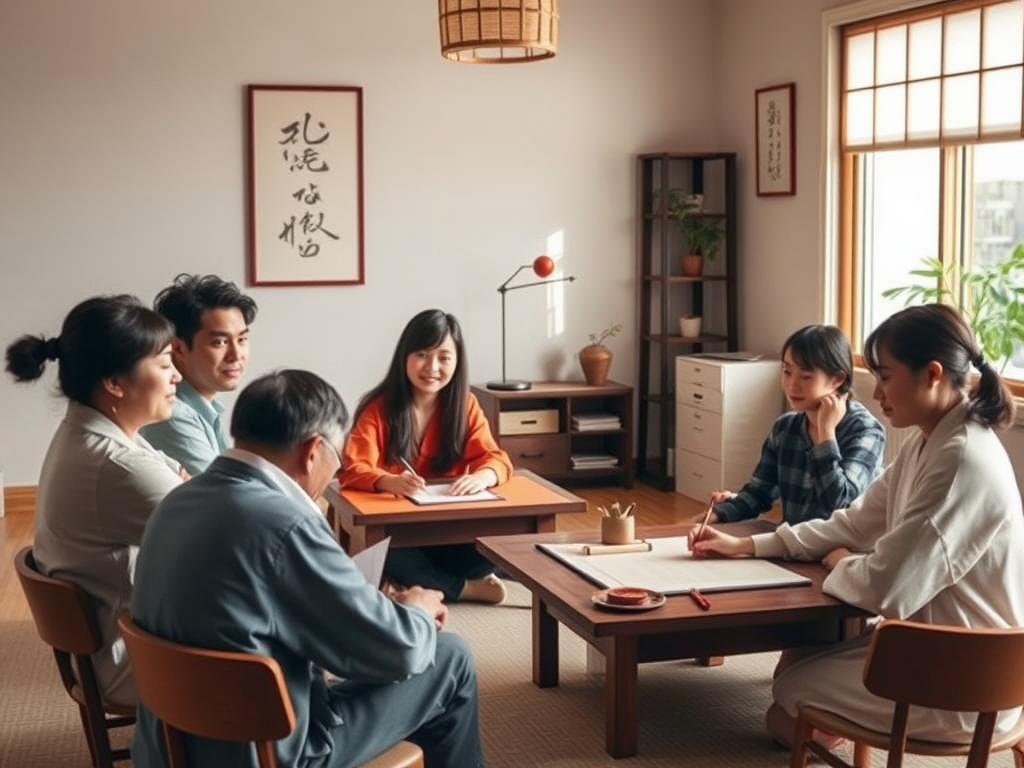
Are you dreaming of speaking Japanese fluently but feeling stuck with crowded group classes or impersonal language apps? You’re not alone! Many Vancouver residents are discovering that private Japanese lessons offer the fastest, most personalized path to mastering this beautiful language.
Whether you’re a complete beginner fascinated by Japanese culture, a business professional preparing for career opportunities, or an anime enthusiast wanting to understand your favorite shows without subtitles, this comprehensive guide will help you find the perfect Japanese tutor in Vancouver.
- 🧑🏫 Why Private Japanese Lessons Are Game-Changers
- 🗺️ Your Options for Japanese Lessons in Vancouver
- 📚 What You'll Actually Learn in Private Sessions
- 💰 Cost Guide: Japanese Lesson Pricing in Vancouver
- 🎯 How to Choose the Right Japanese Teacher
- 📍Why Vancouver is Perfect for Learning Japanese
- 🚀 Getting Started: Your Next Steps
- Ready to Start Speaking Japanese with Confidence?
🧑🏫 Why Private Japanese Lessons Are Game-Changers
If you’ve tried learning Japanese before and hit a wall, private lessons might be exactly what you need. Here’s why thousands of Vancouver learners are making the switch:
Personalized Learning That Actually Works
Unlike one-size-fits-all group classes, private lessons adapt to your learning style. Are you a visual learner who needs lots of diagrams? Do you learn better through conversation practice? Your teacher will adjust their approach to match exactly how your brain processes new information.
Flexible Scheduling for Busy Vancouver Life
We get it—between work downtown, commuting from Surrey, or studying at UBC, finding time for fixed class schedules is tough. Private lessons work around your schedule, whether that’s early morning before work, lunch breaks, or weekend sessions.
Accelerated Progress
In group classes, you might spend 20 minutes on concepts you already understand while struggling students hold back the pace. With private lessons, you spend 100% of the time on what you need to learn. Most students see 3-4x faster progress compared to traditional classes.
Real Conversation Practice
The biggest complaint we hear about language apps? “I can read Japanese, but I freeze up when someone actually speaks to me!” Private lessons give you extensive speaking practice with immediate feedback—no more wondering if your pronunciation is correct.
Cultural Context You Won’t Get Elsewhere
Understanding when to use formal vs. casual language, proper bowing etiquette, or business card exchange protocols—these cultural nuances are crucial for real-world Japanese use and are best learned through personalized instruction.
🗺️ Your Options for Japanese Lessons in Vancouver
Vancouver offers several excellent options for private Japanese instruction. Let’s explore what works best for different learning styles and lifestyles:
In-Person Private Lessons in Vancouver
Perfect for learners who:
- Thrive on face-to-face interaction
- Need help with handwriting (kanji, hiragana, katakana)
- Want accountability and structure
- Learn better without digital distractions
Popular locations for in-person lessons:
- Downtown Vancouver: Convenient for professionals working in the business district
- Kitsilano/UBC area: Great for students and young professionals
- Richmond: Close to YVR and popular with families
- Burnaby: Central location with easy transit access
- Private studios and language centers: Like NihongoKnow’s dedicated learning space
What to expect: Face-to-face lessons typically run 60-90 minutes and often include physical materials like workbooks, flashcards, and cultural artifacts that enhance the learning experience.
Online Private Japanese Lessons
Ideal for:
- Busy professionals with unpredictable schedules
- Students living outside central Vancouver
- Parents who can’t leave home easily
- Anyone who wants to record lessons for review
Technology used:
- Google Meet for video calls
- Shared screens for real-time document editing
- Digital whiteboards for character practice
- Chat functions for quick clarifications
- Recording capabilities (with permission) for later review
Pro tip: Many Vancouver students start with online lessons for convenience, then add occasional in-person sessions for cultural activities or group events.
Hybrid Learning: Best of Both Worlds
The most popular option among our Vancouver students combines online convenience with in-person connection:
Flexibility to switch based on weather, schedule, or personal preference
Weekday online sessions for regular progress
Monthly in-person meetings for cultural immersion
Special event attendance like Japanese festivals or conversation groups
📚 What You’ll Actually Learn in Private Sessions
AtPrivate Japanese lessons aren’t just about memorizing vocabulary lists. Here’s what a comprehensive program covers:
Foundation Level (Months 1-3)
- Hiragana and Katakana mastery: Reading and writing both syllabaries fluently
- Basic conversation patterns: Greetings, introductions, asking for help
- Numbers, time, dates: Essential for daily life navigation
- Survival phrases: Ordering food, shopping, asking directions
- Cultural basics: Bowing, shoe etiquette, basic politeness levels
Intermediate Level (Months 4-12)
- Kanji introduction: Starting with the most common 200 characters
- Grammar structures: Past tense, adjectives, particle usage
- Extended conversations: Talking about hobbies, work, family
- Keigo introduction: Basic polite language for business settings
- Cultural deep-dive: Gift-giving, seasonal greetings, workplace manners
Advanced Level (Year 2+)
- Complex grammar: Conditional forms, passive voice, honorific language
- Specialized vocabulary: Business, academic, or hobby-specific terms
- JLPT preparation: Structured study for N5 through N1 levels
- Natural expressions: Idioms, slang, regional variations
- Cultural fluency: Understanding subtle social cues and communication styles
Specialized Focus Areas
Business Japanese
- Email writing and phone etiquette
- Meeting participation and presentation skills
- Negotiation language and decision-making processes
- Industry-specific terminology
Anime and Pop Culture Japanese
- Understanding casual speech patterns
- Slang and youth language
- Cultural references in media
- Voice acting techniques and character speech patterns
Travel and Living in Japan
- Apartment hunting and contract language
- Banking and official procedures
- Healthcare and emergency situations
- Regional dialects and local customs
JLPT Test Preparation
Test-taking techniques and confidence building
Structured curriculum aligned with test levels
Practice tests and timing strategies
Weak area identification and targeted improvement
💰 Cost Guide: Japanese Lesson Pricing in Vancouver
Understanding lesson costs helps you budget effectively and find the best value for your investment:
Typical Price Ranges in Vancouver (2025)
Group Classes:
- Community centers: $15-25/hour
- Language schools: $25-40/hour
- University programs: $200-500/semester
Private Lessons:
- New teachers/students: $30-45/hour
- Experienced tutors: $45-65/hour
- Professional instructors: $65-85/hour
- Specialized programs: $80-120/hour
Factors Affecting Pricing
Teacher Qualifications:
- Native speakers with teaching degrees command higher rates
- JLPT certification and business experience add value
- Years of teaching experience significantly impact pricing
Lesson Format:
- In-person lessons often cost 10-20% more than online
- Package deals (10+ lessons) usually offer 10-15% discounts
- Intensive programs may have premium pricing
Location and Convenience:
- Downtown Vancouver locations typically cost more
- Travel to your location adds $10-20/lesson
- Popular time slots (evenings, weekends) may have surcharges
Getting the Best Value
Package Deals: Most schools offer better rates for multiple lessons purchased upfront. A 10-lesson package might save you $100-200 compared to individual sessions.
Trial Lessons: Many instructors offer discounted first lessons ($20-30) to ensure good fit before committing to a package.
Group Discounts: Some private instructors offer semi-private lessons (2-3 students) at reduced per-person rates.
🎯 How to Choose the Right Japanese Teacher
Finding the perfect Japanese teacher can make or break your language learning journey. Here’s what to look for:
Essential Qualifications
Language Proficiency:
- Native Japanese speakers often provide authentic pronunciation and cultural insights
- Non-native speakers who’ve achieved fluency can relate to your learning challenges
- Look for teachers with N1 JLPT certification (highest level)
Teaching Experience:
- Minimum 2-3 years of teaching experience
- Experience with your specific goals (business, JLPT, conversation, etc.)
- Positive reviews from students with similar backgrounds
Educational Background:
- Formal teaching credentials or language education degrees
- Continuing education in language teaching methods
- Cultural exchange or international business experience
Teaching Style Compatibility
Communication Style:
- Patient and encouraging personality
- Clear explanation skills in English
- Adaptability to different learning speeds
Methodology:
- Structured lesson plans with clear objectives
- Balance of speaking, listening, reading, and writing practice
- Integration of cultural learning with language instruction
Technology Comfort:
- For online lessons: familiarity with video platforms and digital tools
- Ability to share screens, use digital whiteboards, and manage technical issues
- Flexible with different devices and internet speeds
Red Flags to Avoid
- Teachers who don’t offer trial lessons or consultations
- Rigid teaching methods that don’t adapt to your needs
- Lack of structured curriculum or learning objectives
- Poor communication or unreliable scheduling
- No clear policy on makeup lessons or cancellations
Questions to Ask Potential Teachers
- “What’s your experience teaching students with my goals?”
- “Can you provide a sample lesson plan for my level?”
- “How do you track and measure student progress?”
- “What materials and resources do you use?”
- “What’s your policy on homework and practice between lessons?”
📍Why Vancouver is Perfect for Learning Japanese
Vancouver offers unique advantages for Japanese language learners that you won’t find in most North American cities:
Thriving Japanese Community
Cultural Events and Festivals:
- Powell Street Festival: Canada’s largest Japanese cultural festival
- Cherry Blossom Festival: Celebrating Vancouver’s famous sakura trees
- Obon Festival: Traditional Buddhist celebration with dancing and food
- Anime conventions: Regular events bringing together Japanese pop culture fans
Authentic Japanese Businesses:
- Restaurants: From casual ramen shops to high-end kaiseki
- Grocery stores: Konbini-style shops and large Japanese supermarkets
- Bookstores: Manga, light novels, and Japanese language materials
- Cultural centers: Tea ceremony schools, martial arts dojos, ikebana classes
Educational Opportunities
Sister City Connections: Vancouver’s sister city relationship with Yokohama creates educational and cultural exchange opportunities, including:
- Student exchange programs
- Business partnerships
- Cultural delegation visits
- Language immersion opportunities
Professional Opportunities
Growing Japanese Business Presence:
- Tech companies with Japanese operations
- Tourism industry connections
- International trade opportunities
- Translation and interpretation services
Career Advantages: Japanese language skills open doors in:
- International business and trade
- Tourism and hospitality
- Technology and gaming industries
- Government and diplomatic services
- Education and translation services
Natural Learning Environment
Daily Practice Opportunities:
- Japanese restaurants for ordering practice
- Community events for conversation
- Japanese cultural sites like Dr. Sun Yat-Sen Classical Chinese Garden
- Richmond’s diverse Asian community including many Japanese speakers
🚀 Getting Started: Your Next Steps
Ready to begin your Japanese learning journey? Here’s your actionable roadmap:
Step 1: Define Your Goals (Week 1)
Ask yourself:
- Why do I want to learn Japanese? (travel, business, culture, anime, etc.)
- How much time can I realistically dedicate to studying each week?
- What’s my timeline for achieving basic conversational ability?
- Am I interested in reading/writing or just speaking?
- Do I plan to visit or live in Japan?
Write down your goals and share them with potential teachers—this helps them create the perfect curriculum for you.
Step 2: Research and Contact Teachers (Week 2)
Where to find qualified teachers:
- NihongoKnow.com: Specialized Japanese instruction in Vancouver
- University bulletin boards: UBC, SFU student teachers
- Community centers: Listings for private tutors
- Japanese cultural organizations: Referrals from community members
Initial contact tips:
- Briefly explain your goals and experience level
- Ask about their teaching style and availability
- Request information about pricing and package deals
- Schedule trial lessons with 2-3 different teachers
Step 3: Trial Lessons and Teacher Selection (Week 3)
During trial lessons, evaluate:
- Teaching style compatibility
- Communication clarity
- Lesson structure and organization
- Cultural knowledge and insights
- Technical setup (for online lessons)
- Overall comfort and rapport
Make your decision based on:
- Who you felt most comfortable with
- Whose teaching style matched your learning preferences
- Who demonstrated clear expertise in your focus areas
- Best value for your budget and goals
Step 4: Create Your Learning Schedule (Week 4)
Recommended frequency:
- Intensive learning: 2-3 lessons per week
- Steady progress: 1-2 lessons per week
- Casual learning: 1 lesson per week with self-study
Set up your learning environment:
- Dedicated study space with good lighting and internet
- Quality headphones/microphone for online lessons
- Notebook or digital note-taking system
- Regular practice schedule between lessons
Step 5: Track Progress and Stay Motivated
Monthly check-ins:
- Review what you’ve learned and areas for improvement
- Set new short-term goals
- Celebrate achievements and milestones
- Adjust learning plan if needed
Stay motivated through:
- Regular exposure to Japanese media (anime, dramas, music)
- Joining Vancouver’s Japanese cultural events
- Connecting with other learners through study groups or online communities
- Planning a trip to Japan as a long-term goal
Ready to Start Speaking Japanese with Confidence?
Learning Japanese doesn’t have to be overwhelming or take years of struggle. With the right private teacher and personalized approach, you can start having real conversations in Japanese sooner than you think.
Vancouver’s unique combination of cultural diversity, educational resources, and Japanese community connections makes it one of the best places in North America to learn Japanese. Whether you’re in downtown Vancouver, studying at UBC, living in Richmond, or anywhere in the Lower Mainland, there are excellent options available for your learning style and schedule.
Take action today:
- Define your Japanese learning goals
- Research qualified teachers in your area
- Schedule trial lessons with top candidates
- Commit to consistent practice and lessons
The journey to Japanese fluency starts with a single step. Why not make that step today?


