
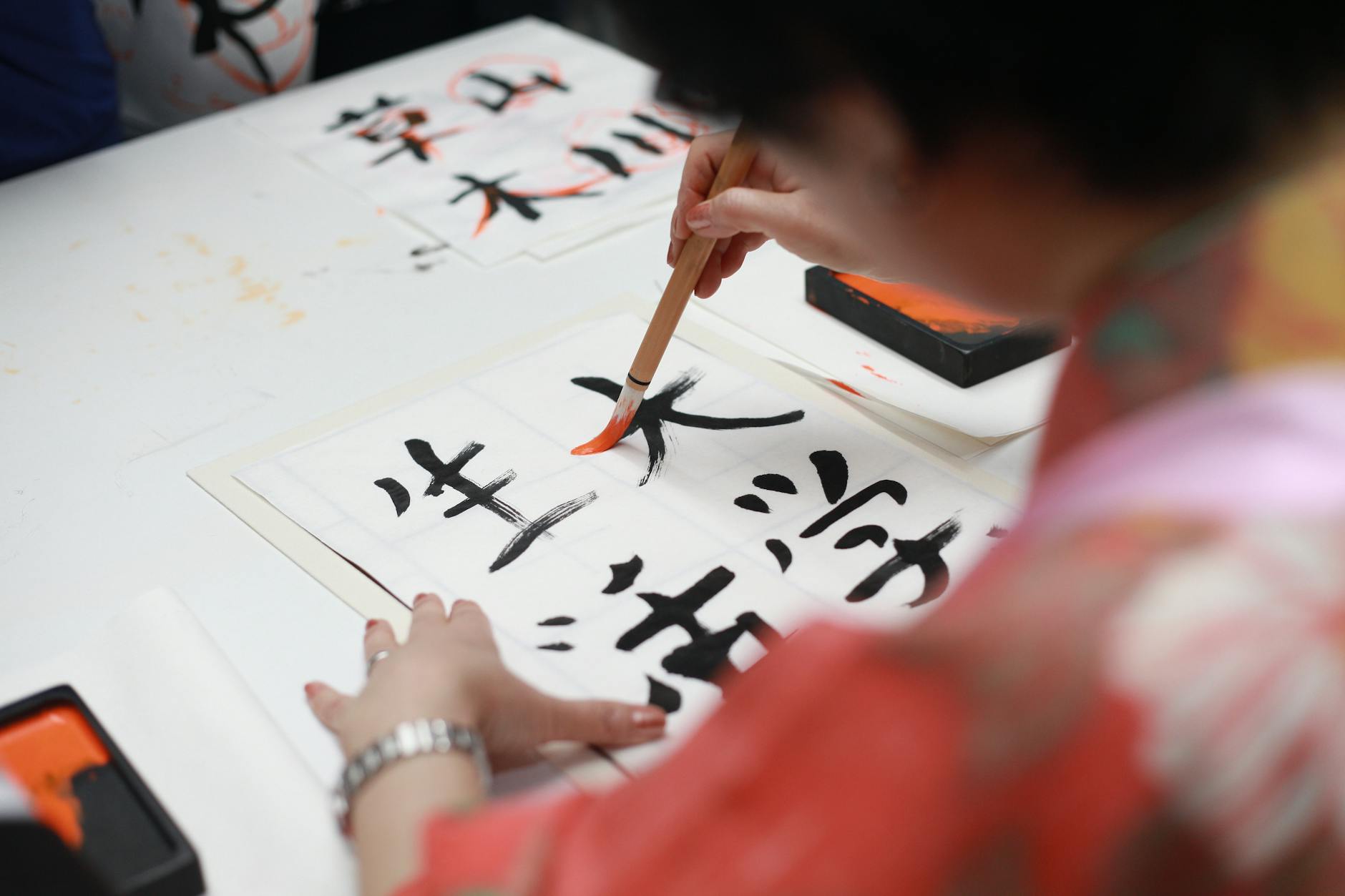
Starting your kanji journey can feel overwhelming. Those complex characters that look like intricate puzzles – how do people actually memorize hundreds of them? If you’re preparing for the JLPT N5 exam or just beginning to learn Japanese, you’ve probably stared at a kanji and wondered where to even begin.
Hopefully, you’ve already read Steps to Pass the JLPT N5: A Complete Study Guide for Beginners.
Here’s the good news: the JLPT N5 kanji list contains only about 103 essential characters, and with the right techniques, you can master them faster than you think. At NihongoKnow, we’ve helped countless students in Vancouver and online transform their kanji anxiety into confidence using proven memory methods that make learning actually enjoyable.
Whether you’re planning to take the JLPT N5 exam, preparing for a trip to Japan, or building a foundation for advanced Japanese study, this comprehensive guide will give you everything you need to succeed.
Quick View 📋
What you’ll learn: Master all 103 essential JLPT N5 kanji with proven memory techniques, stroke order tips, and effective study strategies.
Time to read: 12 minutes
Difficulty: Beginner
Best for: JLPT N5 test takers, Japanese beginners, and anyone starting their kanji journey in Vancouver or worldwide.
Key takeaways:
- Complete categorized list of JLPT N5 kanji with readings and examples
- 7 proven memory techniques that actually work
- Common mistakes to avoid (save yourself months of frustration!)
- Study schedule and practice exercises for faster progress
- Quick View 📋
- What Is the JLPT N5 Kanji List and Why Does It Matter?
- Complete JLPT N5 Kanji List by Category
- 7 Proven Memory Techniques That Actually Work
- Common Beginner Mistakes (And How to Avoid Them)
- Effective Study Schedule for JLPT N5 Kanji
- Practice Exercises for Better Retention
- Why Study Kanji with NihongoKnow?
- Beyond N5: Building Your Kanji Foundation
- Your Next Steps to Kanji Mastery
- Ready to Master JLPT N5 Kanji?
- Advanced Study Strategies for Faster Progress
- Cultural Context: Why These Kanji Matter
- Troubleshooting Common Learning Plateaus
- Preparing for the JLPT N5 Exam
- Building Your Post-N5 Learning Path
- Final Thoughts: Your Kanji Journey Starts Now
What Is the JLPT N5 Kanji List and Why Does It Matter?
The JLPT N5 (Japanese Language Proficiency Test – Level 5) is the entry-level certification for Japanese language ability. Unlike higher levels that require you to write kanji from memory, N5 focuses on recognition – you need to understand kanji when you see them in context.
The N5 kanji list includes approximately 103 essential characters that appear in:
- Basic signage (restrooms, exits, station names)
- Simple instructions (textbooks, apps, basic forms)
- Beginner reading materials (graded readers, children’s books)
- Daily life situations (menus, shopping, transportation)
Why These Kanji Are Your Foundation
Think of N5 kanji as the building blocks of Japanese literacy. These characters aren’t just test material – they’re the most frequently used kanji in everyday Japanese life. Master these, and you’ll:
✅ Read basic signs and menus confidently
✅ Understand simple Japanese texts
✅ Build vocabulary faster (many words use these kanji)
✅ Create a solid foundation for N4 and beyond
✅ Feel more confident in Japanese environments
Complete JLPT N5 Kanji List by Category
Learning kanji randomly is like trying to memorize a dictionary alphabetically – inefficient and frustrating. Here’s our categorized approach that helps Vancouver students learn 2-3x faster:
🔢 Numbers and Counting (10 kanji)
| Kanji | Meaning | Readings | Example | Memory Hint |
| 一 | one | いち/ひと | 一人 (ひとり) one person | One horizontal line |
| 二 | two | に/ふた | 二月 (にがつ) February | Two horizontal lines |
| 三 | three | さん/み | 三日 (みっか) 3rd day | Three horizontal lines |
| 四 | four | し/よん | 四人 (よにん) four people | Four lines in a box |
| 五 | five | ご/いつ | 五円 (ごえん) 5 yen | Five looks like a hand |
| 六 | six | ろく/む | 六月 (ろくがつ) June | Six looks like a roof |
| 七 | seven | しち/なな | 七日 (なのか) 7th day | Seven cuts through |
| 八 | eight | はち/や | 八時 (はちじ) 8 o’clock | Eight spreads out |
| 九 | nine | きゅう/ここの | 九月 (くがつ) September | Nine bends like elbow |
| 十 | ten | じゅう/とお | 十分 (じゅっぷん) 10 minutes | Ten is a cross |
Study tip: Practice counting in Japanese daily using these kanji. Count items around you – 一本 (one bottle), 二冊 (two books), etc.
📅 Time and Days (15 kanji)
| Kanji | Meaning | Readings | Example | Memory Hint |
| 日 | day/sun | にち/ひ/か | 日本 (にほん) Japan | Circle with line = sun |
| 月 | month/moon | げつ/つき | 月曜日 (げつようび) Monday | Crescent moon shape |
| 火 | fire | か/ひ | 火曜日 (かようび) Tuesday | Person dancing by fire |
| 水 | water | すい/みず | 水曜日 (すいようび) Wednesday | Water drops flowing |
| 木 | tree/wood | もく/き | 木曜日 (もくようび) Thursday | Tree with branches |
| 金 | gold/money | きん/かね | 金曜日 (きんようび) Friday | Gold nuggets under roof |
| 土 | earth/soil | ど/つち | 土曜日 (どようび) Saturday | Cross planted in ground |
| 年 | year | ねん/とし | 来年 (らいねん) next year | Person carrying grain |
| 今 | now | いま/こん | 今日 (きょう) today | Person (人) with cover |
| 時 | time | じ/とき | 何時 (なんじ) what time | Sun (日) at temple |
| 間 | between/space | あいだ/かん | 時間 (じかん) time | Sun through gate |
| 分 | minute/part | ふん/ぶん/わ | 十分 (じゅっぷん) 10 minutes | Knife cutting something |
| 半 | half | はん | 半分 (はんぶん) half | Cow split in half |
| 毎 | every | まい | 毎日 (まいにち) every day | Mother (母) with accent |
| 週 | week | しゅう | 今週 (こんしゅう) this week | Go around (周) with walking |
Cultural note: Japanese weekdays are named after elements! Monday = Moon, Tuesday = Fire, Wednesday = Water, Thursday = Wood, Friday = Gold/Metal, Saturday = Earth, Sunday = Sun.
👥 People and Relationships (12 kanji)
| Kanji | Meaning | Readings | Example | Memory Hint |
| 人 | person | ひと/じん/にん | 日本人 (にほんじん) Japanese person | Person walking |
| 女 | woman | おんな/じょ | 女の子 (おんなのこ) girl | Woman sitting gracefully |
| 男 | man | おとこ/だん | 男の人 (おとこのひと) man | Strength (力) in rice field (田) |
| 子 | child | こ/し | 子ども (こども) child | Child with arms open |
| 学 | study | がく/まな | 学生 (がくせい) student | Child under roof learning |
| 生 | life/birth | せい/なま/い | 先生 (せんせい) teacher | Plant growing from ground |
| 先 | ahead/before | さき/せん | 先週 (せんしゅう) last week | Person walking ahead |
| 友 | friend | とも/ゆう | 友達 (ともだち) friend | Two hands reaching |
| 家 | house/family | いえ/か | 家族 (かぞく) family | Pig under roof = home |
| 母 | mother | はは/ぼ | お母さん (おかあさん) mother | Woman with dots (breasts) |
| 父 | father | ちち/ふ | お父さん (おとうさん) father | Hand holding axe |
| 兄 | older brother | あに/きょう | お兄さん (おにいさん) older brother | Mouth on legs = big brother |
🏫 Places and Directions (18 kanji)
| Kanji | Meaning | Readings | Example | Memory Hint |
| 学 | study | がく/まな | 学校 (がっこう) school | Child learning under roof |
| 校 | school | こう | 小学校 (しょうがっこう) elementary school | Tree (木) with crossing (交) |
| 上 | up/above | うえ/じょう/あ | 上手 (じょうず) skillful | Line above base |
| 下 | down/below | した/か/くだ | 下手 (へた) unskillful | Dot below line |
| 中 | inside/middle | なか/ちゅう | 中学校 (ちゅうがっこう) middle school | Line through center |
| 外 | outside | そと/がい | 外国 (がいこく) foreign country | Evening divination outside |
| 内 | inside | うち/ない | 家内 (かない) wife | Person inside borders |
| 前 | front/before | まえ/ぜん | 名前 (なまえ) name | Knife cutting moon |
| 後 | after/behind | あと/ご/うし | 午後 (ごご) afternoon | Step following step |
| 右 | right | みぎ/ゆう | 右手 (みぎて) right hand | Mouth (口) and hand |
| 左 | left | ひだり/さ | 左手 (ひだりて) left hand | Hand with work |
| 東 | east | ひがし/とう | 東京 (とうきょう) Tokyo | Sun behind tree |
| 西 | west | にし/さい | 西日 (にしび) western sun | Bird in nest |
| 南 | south | みなみ/なん | 南口 (みなみぐち) south exit | Direction of plants |
| 北 | north | きた/ほく | 北海道 (ほっかいどう) Hokkaido | Two people back-to-back |
| 国 | country | くに/こく | 日本国 (にほんこく) Japan | Jewel in enclosure |
| 出 | exit/come out | で/だ/しゅつ | 出口 (でぐち) exit | Mountain coming out |
| 入 | enter | はい/い/にゅう | 入口 (いりぐち) entrance | Person entering |
🎨 Colors and Descriptions (8 kanji)
| Kanji | Meaning | Readings | Example | Memory Hint |
| 白 | white | しろ/はく | 白い (しろい) white | Sun ray |
| 黒 | black | くろ/こく | 黒い (くろい) black | Soot from fire |
| 赤 | red | あか/せき | 赤い (あかい) red | Fire color |
| 青 | blue | あお/せい | 青い (あおい) blue | Moon and well |
| 大 | big | おお/だい/たい | 大きい (おおきい) big | Person with arms spread |
| 小 | small | ちい/しょう | 小さい (ちいさい) small | Three small dots |
| 高 | high/tall | たか/こう | 高い (たかい) high/expensive | Tall building |
| 安 | cheap/safe | やす/あん | 安い (やすい) cheap | Woman under roof = safe |
🚗 Transportation and Movement (12 kanji)
| Kanji | Meaning | Readings | Example | Memory Hint |
| 行 | go | い/ゆ/こう | 行く (いく) to go | Person going on road |
| 来 | come | く/き/らい | 来る (くる) to come | Grain coming to you |
| 帰 | return | かえ/き | 帰る (かえる) to return | Broom sweeping home |
| 歩 | walk | ある/あゆ/ほ | 歩く (あるく) to walk | Footsteps left and right |
| 止 | stop | と/し | 止まる (とまる) to stop | Foot stopping |
| 立 | stand | た/りつ | 立つ (たつ) to stand | Person standing on ground |
| 休 | rest | やす/きゅう | 休む (やすむ) to rest | Person resting by tree |
| 見 | see/look | み/けん | 見る (みる) to see | Eye on legs |
| 聞 | hear/listen | き/ぶん | 聞く (きく) to hear/ask | Ear at gate |
| 読 | read | よ/どく | 読む (よむ) to read | Words being sold |
| 書 | write | か/しょ | 書く (かく) to write | Brush writing |
| 話 | speak/talk | はな/わ | 話す (はなす) to speak | Words with tongue |
🏪 Daily Life and Objects (15 kanji)
| Kanji | Meaning | Readings | Example | Memory Hint |
| 食 | eat/food | た/しょく | 食べる (たべる) to eat | Person eating from bowl |
| 飲 | drink | の/いん | 飲む (のむ) to drink | Person drinking |
| 買 | buy | か/ばい | 買う (かう) to buy | Net catching goods |
| 売 | sell | う/ばい | 売る (うる) to sell | Samurai selling |
| 作 | make | つく/さく | 作る (つくる) to make | Person making something |
| 仕 | work | し | 仕事 (しごと) work | Person serving |
| 事 | thing/matter | こと/じ | 大事 (だいじ) important | Hand writing |
| 物 | thing/object | もの/ぶつ | 食べ物 (たべもの) food | Cow and temple |
| 名 | name | な/めい | 名前 (なまえ) name | Evening mouth |
| 何 | what | なに/なん | 何時 (なんじ) what time | Person carrying something |
| 車 | car | くるま/しゃ | 車 (くるま) car | Wheel and axle |
| 電 | electricity | でん | 電車 (でんしゃ) train | Rain and lightning |
| 駅 | station | えき | 駅 (えき) station | Horse at post |
| 道 | road/way | みち/どう | 道 (みち) road | Head going on path |
| 店 | store | みせ/てん | 店 (みせ) store | Building with divination |
💰 Money and Numbers (8 kanji)
| Kanji | Meaning | Readings | Example | Memory Hint |
| 円 | yen/circle | えん/まる | 百円 (ひゃくえん) 100 yen | Perfect circle |
| 万 | ten thousand | まん/ばん | 一万 (いちまん) 10,000 | Big number |
| 千 | thousand | せん/ち | 千円 (せんえん) 1,000 yen | Person with line |
| 百 | hundred | ひゃく | 三百 (さんびゃく) 300 | White with line |
| 多 | many | おお/た | 多い (おおい) many | Two evenings = many |
| 少 | few | すこ/しょう | 少し (すこし) a little | Small amount |
| 古 | old | ふる/こ | 古い (ふるい) old | Ten mouths = old |
| 新 | new | あたら/しん | 新しい (あたらしい) new | Standing tree with axe |
7 Proven Memory Techniques That Actually Work
After teaching hundreds of students in Vancouver and online, we’ve identified the most effective methods for memorizing kanji. Here’s what works:
1. Visual Storytelling Method
Create memorable stories using the kanji’s visual elements. The more absurd or personal, the better you’ll remember it.
Example: 休 (rest)
- Visual: Person (人) leaning against a tree (木)
- Story: “I’m so tired, I need to rest against this tree like a person taking a nap in the park.”
Example: 好 (like)
- Visual: Woman (女) + child (子)
- Story: “A woman likes her child – universal love!”
2. Radical Recognition System
Learn common radicals (kanji components) to decode new characters faster.
Key radicals to know:
- 人 (person) appears in: 休, 何, 作, 仕
- 木 (tree) appears in: 休, 校, 森, 林
- 日 (sun) appears in: 明, 時, 間, 晴
- 口 (mouth) appears in: 右, 名, 何, 呼
3. Mnemonics with Personal Connection
Link kanji to your own experiences or interests.
Example: 学 (study)
- “I study under the roof of my house, just like this kanji shows a child learning under a roof.”
Example: 車 (car)
- “This looks like the wheel and axle of my car from above.”
4. Spaced Repetition Schedule
Use scientifically-proven intervals for review:
- Day 1: Learn new kanji
- Day 3: First review
- Day 7: Second review
- Day 14: Third review
- Day 30: Long-term review
5. Context-Based Learning
Always learn kanji within words and sentences, not in isolation.
Instead of: 食 = eat Learn: 食べる (たべる) = to eat In context: 朝ごはんを食べます。(I eat breakfast.)
6. Writing Practice with Stroke Order
Proper stroke order isn’t just for calligraphy – it helps with recognition and memory.
General stroke order rules:
- Top to bottom: 三 (three)
- Left to right: 川 (river)
- Horizontal before vertical: 十 (ten)
- Center before sides: 小 (small)
7. Multi-Sensory Engagement
Use as many senses as possible:
- Visual: See the kanji
- Auditory: Say the reading aloud
- Kinesthetic: Write with proper stroke order
- Contextual: Use in sentences
If you would like to know more, check our aritcle ; Kanji Memorization Hacks for Visual Learners: 10 Brain-Friendly Methods That Actually Work
Common Beginner Mistakes (And How to Avoid Them)
After years of teaching, we’ve seen the same mistakes repeatedly. Here’s how to avoid them:
❌ Mistake 1: Only Learning English Meanings
Problem: Students memorize “水 = water” but can’t read 水曜日 (Wednesday) Solution: Learn readings (音読み/訓読み) alongside meanings Better approach: 水 = みず (water) + すい (in compounds like 水曜日)
❌ Mistake 2: Skipping Stroke Order
Problem: Writing kanji incorrectly makes them harder to remember and recognize Solution: Learn proper stroke order from the beginning Tool: Use apps like KanjiTree or stroke order practice sheets
❌ Mistake 3: Cramming Too Many at Once
Problem: Trying to learn 20+ kanji per day leads to confusion and forgetting Solution: Focus on 5-7 new kanji per day with consistent review Schedule: 5 new + 15 review = 20 total kanji practice daily
❌ Mistake 4: Ignoring Context
Problem: Learning kanji in isolation without understanding usage Solution: Always learn kanji within vocabulary words Example: Don’t just learn 生, learn 学生 (student), 先生 (teacher), 生まれる (to be born)
❌ Mistake 5: No Review System
Problem: Learning new kanji without reviewing old ones Solution: Use spaced repetition software or create a review schedule Apps: Anki, Wanikani, or our NihongoKnow digital flashcards
Effective Study Schedule for JLPT N5 Kanji
Here’s a realistic study plan that our Vancouver students use successfully:
Week 1-2: Foundation (Numbers & Time)
- Day 1-3: Numbers 1-10 (一~十)
- Day 4-7: Days of the week (日月火水木金土)
- Day 8-10: Time-related kanji (年, 今, 時, 間, 分)
- Day 11-14: Review and practice exercises
Week 3-4: People & Relationships
- Day 15-17: Basic people kanji (人, 女, 男, 子)
- Day 18-21: Family and relationships (家, 母, 父, 友)
- Day 22-24: School-related (学, 生, 先, 校)
- Day 25-28: Review and application
Week 5-6: Places & Directions
- Day 29-31: Basic directions (上, 下, 中, 外, 内)
- Day 32-35: Cardinal directions (東, 西, 南, 北)
- Day 36-38: Places and locations (国, 出, 入, 前, 後)
- Day 39-42: Review and navigation practice
Week 7-8: Daily Life & Actions
- Day 43-45: Basic actions (行, 来, 帰, 見, 聞)
- Day 46-49: Daily activities (食, 飲, 買, 読, 書)
- Day 50-52: Objects and things (車, 電, 駅, 道, 店)
- Day 53-56: Review and conversation practice
Week 9-10: Colors & Descriptions
- Day 57-59: Colors (白, 黒, 赤, 青)
- Day 60-62: Size and descriptions (大, 小, 高, 安)
- Day 63-65: Quantities (多, 少, 古, 新)
- Day 66-70: Final review and test preparation
You can be even more better, check The Ultimate Daily Japanese Study Routine: From Beginner to Intermediate (15-60 Minutes)
Practice Exercises for Better Retention
Exercise 1: Daily Kanji Journaling
Write 3 sentences daily using new kanji you’ve learned:
- 今日は月曜日です。(Today is Monday.)
- 学校に行きます。(I go to school.)
- 友達と話します。(I talk with friends.)
Exercise 2: Kanji Bingo
Create bingo cards with kanji you’re studying. Call out meanings or readings, and students mark the corresponding kanji. Great for review!
Exercise 3: Story Creation
Use 5-10 random kanji to create a short story. This forces you to think about usage and context.
Exercise 4: Real-World Application
Take photos of kanji you see around Vancouver (Japanese restaurants, shops, street signs). Try to identify and read them.
Exercise 5: Kanji Guessing Game
Show the kanji without readings. Try to guess all possible readings and meanings. Check your answers afterward.
Why Study Kanji with NihongoKnow?
Learning kanji alone can be frustrating and inefficient. At NihongoKnow, we’ve developed a comprehensive system that makes kanji learning engaging and effective:
Our Unique Approach:
🎯 Structured Progression: Learn kanji in logical order with clear milestones
🧠 Memory Techniques: Visual mnemonics and storytelling methods
👥 Community Support: Study with fellow learners in Vancouver or online
🗣️ Cultural Context: Understand not just what kanji mean, but how they’re used
✅ JLPT Preparation: Focused practice for exam success
Beyond N5: Building Your Kanji Foundation
Mastering N5 kanji is just the beginning of your Japanese literacy journey. Here’s how these characters connect to your future learning:
Kanji Combinations (熟語)
Many N5 kanji combine to create more complex vocabulary:
- 学 + 校 = 学校 (school)
- 日 + 本 = 日本 (Japan)
- 電 + 車 = 電車 (train)
Radical Knowledge
Understanding N5 kanji radicals helps you decode N4 and N3 characters:
- 人 radical helps with: 作, 何, 休, 体, 使
- 木 radical helps with: 校, 森, 林, 楽, 機
Reading Strategies
N5 kanji teach you to recognize patterns that apply to all levels:
- Context clues for unknown readings
- Compound word formation rules
- When to use 音読み vs 訓読み
Your Next Steps to Kanji Mastery
Ready to transform your relationship with kanji? Here’s your action plan:
Immediate Actions (This Week):
Join our JLPTN5 Kanji course – Track your progress systematically
- Start with 5 number kanji – Master 一 through 五 with proper stroke order
- Create your first visual story – Try the 休 (rest) example above
- Set up a review schedule – Use your phone’s reminder app
Short-Term Goals (This Month):
- Complete Week 1-2 of our study schedule – Numbers and time kanji
- Practice stroke order daily – 10 minutes of writing practice
- Use kanji in context – Write 3 sentences daily with new kanji
- Join our online community – Connect with other learners
Long-Term Vision (Next 3-6 Months):
- Master all 103 N5 kanji – Following our systematic approach
- Take a practice JLPT N5 test – Measure your progress
- Read simple Japanese texts – Children’s books, manga, signs
- Prepare for N4 – Build on your solid foundation
Ready to Master JLPT N5 Kanji?
Don’t let kanji intimidate you any longer. With the right approach, consistent practice, and supportive guidance, you can master these essential characters faster than you think.
Advanced Study Strategies for Faster Progress
The 80/20 Rule for Kanji
Focus on the 20% of kanji that appear 80% of the time. These high-frequency characters include:
- Numbers (一二三四五六七八九十)
- Time words (日月年時間分)
- Basic people (人男女子)
- Common actions (行来見聞読書)
Master these first, then expand to less common characters.
Contextual Learning Clusters
Group related kanji that appear together frequently:
- Transportation cluster: 車電駅道行来
- School cluster: 学校生先友
- Time cluster: 日月年今時間分
- Family cluster: 家父母兄子人
The “Kanji Web” Method
Create mind maps showing how kanji connect:
- Central kanji: 学 (study)
- Connections: 学校 (school), 学生 (student), 大学 (university), 学ぶ (to study)
- Radicals: 子 (child element) connects to 子ども (child)
Progressive Difficulty Training
- Recognition: See kanji → recall meaning/reading
- Production: See meaning → write/identify kanji
- Contextual: Read kanji in sentences
- Speed: Quick recognition under time pressure
Cultural Context: Why These Kanji Matter
Understanding the cultural significance of N5 kanji enhances memory and appreciation:
Historical Connections
- 日本 (Japan): Literally “origin of the sun” – understanding why Japan is called “Land of the Rising Sun”
- 金曜日 (Friday): Named after metal/gold, reflecting ancient Chinese five-element theory
- 学校 (school): Combines “learning” and “correction/building,” showing education’s purpose
Modern Usage Patterns
- Signage: These kanji appear on every street corner, train station, and building in Japan
- Technology: Your phone’s Japanese input method prioritizes these common characters
- Media: Anime, manga, and Japanese websites use these kanji constantly
Social Context
- Politeness levels: Some kanji appear in formal vs. casual expressions
- Regional variations: Certain readings vary between regions
- Age groups: Younger people might use more hiragana, older generations prefer kanji
Troubleshooting Common Learning Plateaus
“I Keep Confusing Similar Kanji”
Similar pairs that cause problems:
- 入 (enter) vs 人 (person): Remember “enter” has an angle, “person” has legs
- 木 (tree) vs 本 (book): Book has a line through the bottom (root)
- 白 (white) vs 百 (hundred): Hundred has an extra line at top
Solution: Create explicit comparison charts and practice side-by-side recognition.
“I Can’t Remember the Readings”
Multiple reading confusion:
- 日: にち (in dates), ひ (sun), か (day counter)
- 人: ひと (person), じん (in compounds), にん (counter)
Solution: Learn readings through vocabulary, not in isolation. Practice common word patterns.
“I Recognize Kanji but Can’t Read Sentences”
Connection problems:
- Individual kanji knowledge doesn’t transfer to reading fluency
- Grammar particles and conjugations interfere with recognition
Solution: Practice reading simple sentences daily. Start with children’s books or graded readers.
“I’m Losing Motivation”
Plateau fatigue:
- Initial progress feels slow after early gains
- Overwhelming feeling when seeing native Japanese text
Solution: Set micro-goals, celebrate small wins, connect with other learners, focus on practical applications.
Preparing for the JLPT N5 Exam
Exam Format and Kanji Distribution
Reading Section (60 minutes):
- Text comprehension: 15-20 different kanji
- Sentence completion: 10-15 kanji
- Information retrieval: 5-10 kanji
Language Knowledge Section (50 minutes):
- Vocabulary: 30-40 kanji in various combinations
- Grammar: 20-30 kanji in example sentences
Strategic Study Schedule (Final 8 Weeks)
Weeks 1-2: Foundation Review
- Complete kanji recognition test
- Identify weak areas
- Intensive review of problem characters
Weeks 3-4: Speed Building
- Timed recognition exercises
- Quick reading practice
- Vocabulary expansion
Weeks 5-6: Context Integration
- Practice exam questions
- Reading comprehension focus
- Grammar pattern recognition
Weeks 7-8: Final Preparation
- Full practice tests
- Last-minute review
- Confidence building
Test Day Tips
- Time management: Don’t spend too long on single kanji
- Context clues: Use surrounding words to help with difficult characters
- Elimination strategy: Cross out obviously wrong answers first
- Stay calm: Remember you only need 60% to pass
Building Your Post-N5 Learning Path
Transition to N4 Kanji
What changes:
- Kanji count increases to ~300 total
- More complex compound words
- Multiple readings become more important
- Abstract concepts appear more frequently
Preparation strategies:
- Master all N5 kanji completely before moving up
- Begin recognizing common N4 kanji in context
- Focus on radical knowledge for pattern recognition
- Develop faster recognition speed
Real-World Application Goals
3-Month Post-N5 Targets:
- Read children’s manga with 80% comprehension
- Navigate Japanese websites for basic information
- Understand simple Japanese social media posts
- Recognize kanji in Japanese restaurants and shops
6-Month Targets:
- Read NHK Easy News articles
- Understand basic Japanese instructional videos
- Participate in simple Japanese online forums
- Help other N5 learners with their studies
Career and Personal Development
Professional Applications:
- Tourism industry: Basic Japanese signage understanding
- International business: Cultural sensitivity and basic communication
- Education: Teaching Japanese to other beginners
- Translation: Foundation for future specialization
Personal Growth:
- Cultural appreciation: Deeper understanding of Japanese culture
- Travel confidence: Independent navigation in Japan
- Hobby development: Anime, manga, and Japanese media enjoyment
- Cognitive benefits: Enhanced memory and pattern recognition
Final Thoughts: Your Kanji Journey Starts Now
Mastering JLPT N5 kanji is more than passing a test – it’s opening a door to one of the world’s most fascinating languages and cultures. Every kanji you learn is a small victory that builds toward larger accomplishments.
Remember that everyone learns at their own pace. Some students master these characters in two months, others take six months or more. What matters isn’t speed but consistency and enjoyment of the process.
The techniques and strategies in this guide have helped thousands of students succeed. But the most important element is your commitment to daily practice and your willingness to embrace mistakes as learning opportunities.
Your Success Checklist:
- Downloaded study materials and apps
- Created a realistic daily study schedule
- Identified your learning style preferences
- Set up a review and progress tracking system
- Connected with other learners or study communities
- Planned rewards for achieving milestones
- Prepared for temporary plateaus and setbacks
Remember:
Every expert was once a beginner. Every fluent reader once struggled with their first kanji. Your journey is just beginning, and with the right approach, it will be both challenging and rewarding.
Welcome to the wonderful world of Japanese literacy. がんばって!(Good luck!)
Ready to begin your kanji journey? Contact NihongoKnow today and transform your relationship with Japanese characters from intimidating puzzles to familiar friends.
This guide represents years of teaching experience and student feedback. We’re constantly updating our methods based on new research and student success stories. For the most current resources and personalized guidance, join our learning community !