
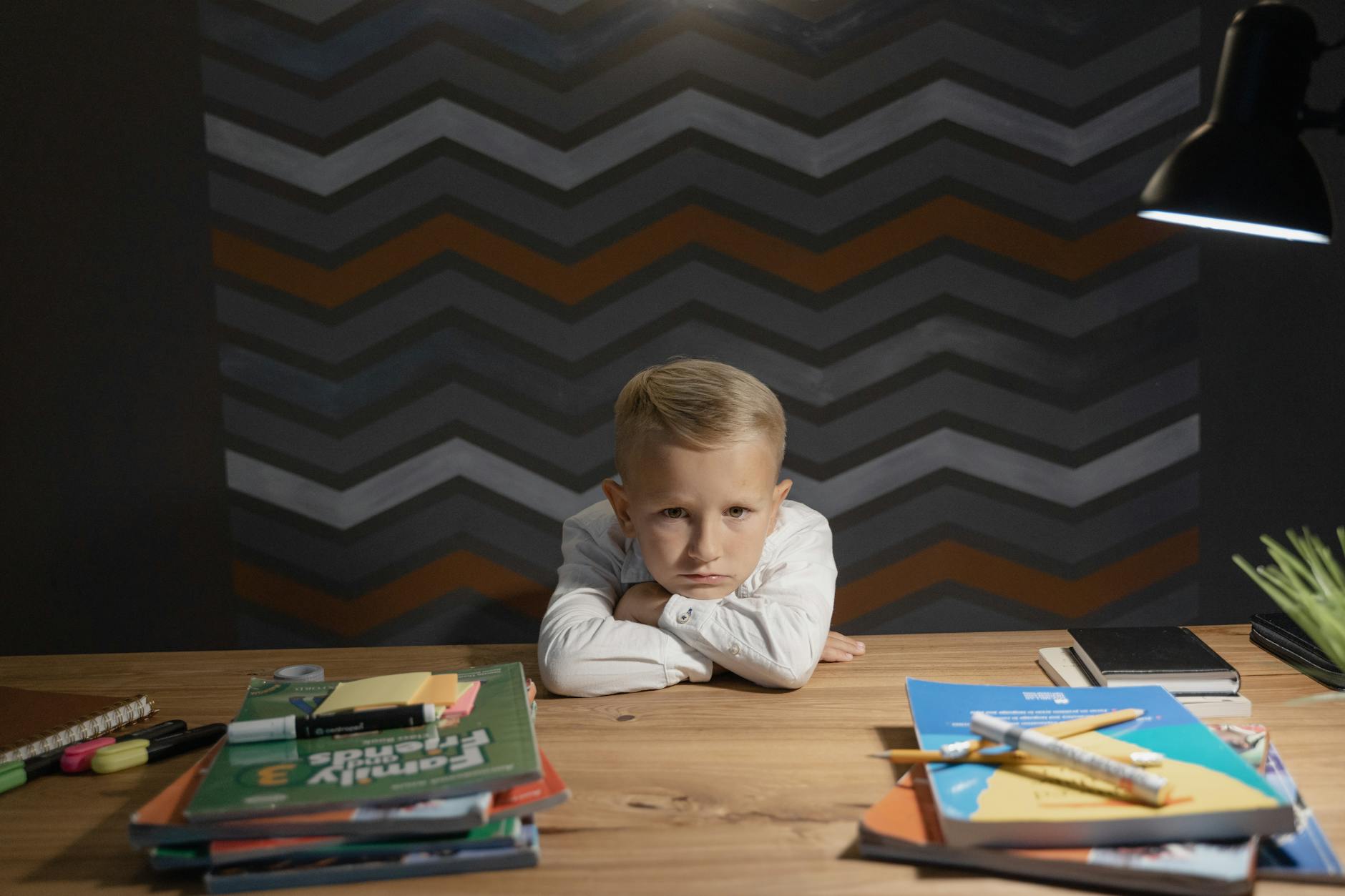
Introduction: The Hidden Struggle of Heritage Language Learning
“Wait, your mom is Japanese but you can’t speak Japanese?”
If you’re a parent of Japanese heritage, you’ve probably heard this question—or feared hearing it. The assumption that having Japanese parents automatically means speaking Japanese fluently is widespread, but the reality is far more complex.
Here’s the truth: Many children with Japanese parents struggle to speak Japanese confidently, and it’s not anyone’s fault.
This phenomenon affects thousands of families worldwide, especially in countries like Canada and the US where English dominates daily life. Understanding why this happens—and what you can do about it—is the first step toward raising confident bilingual children who embrace their Japanese heritage.
Quick View 📋
What you’ll learn:
- Why Japanese heritage children often struggle with Japanese language
- Common challenges in bilingual education and family dynamics
- Practical solutions for parents raising bilingual kids
- How to create a positive Japanese learning environment
Perfect for: Parents of Japanese heritage children, mixed families, educators working with bilingual students
Key insight: Having Japanese parents doesn’t guarantee Japanese fluency—but with the right approach, any child can embrace their linguistic heritage
- Introduction: The Hidden Struggle of Heritage Language Learning
- Quick View 📋
- The Reality Check: Why Japanese Heritage Doesn't Equal Japanese Fluency
- Understanding the "Why": Common Struggles in Japanese Heritage Families
- The Emotional Impact: What Children Really Feel
- The Parental Perspective: Common Worries and Frustrations
- Effective Strategies: What Actually Works
- The NihongoKnow Approach: Heritage Learner Programs
- Age-Specific Strategies for Heritage Language Development
- Overcoming Common Obstacles
- The Long-Term Benefits: Why This Effort Matters
- 🚀 Start Your Heritage Journey Today
The Reality Check: Why Japanese Heritage Doesn’t Equal Japanese Fluency
The Common Scenario
Meet the Tanaka family in Vancouver. Mom Yuki is from Osaka, Dad Mike is Canadian, and their 8-year-old daughter Emma understands Japanese but responds in English. Sound familiar?
This isn’t a unique situation—it’s incredibly common among Japanese heritage families living abroad.
The Statistics
Recent studies show that:
- 70% of heritage language speakers lose fluency by adolescence without formal support
- Mixed marriages face additional challenges in maintaining heritage languages
- Second-generation immigrants often experience “heritage language attrition” by age 10-12
Understanding the “Why”: Common Struggles in Japanese Heritage Families
1. 🏠 The English-Dominant Environment
The Challenge: Even when parents speak Japanese at home, the outside world is overwhelmingly English. School, friends, TV, social media—everything important to a child happens in English.
What Parents Notice:
- Child understands Japanese but responds in English
- Gradual shift from Japanese to English in family conversations
- Resistance to using Japanese outside the home
The Psychology Behind It: Children naturally gravitate toward the language that gives them social power and academic success. In Canada, that’s English.
2. 🎯 The “Heritage Language Burden”
The Challenge: When Japanese feels like extra homework rather than a natural part of life, children develop negative associations.
What Parents Notice:
- “I don’t want to go to Japanese school”
- Complaints about Japanese being “too hard”
- Preference for English books, movies, and games
The Psychology Behind It: If Japanese is only encountered in “learning” contexts, it feels like work instead of a useful life skill.
3. 🤝 Limited Japanese Social Opportunities
The Challenge: Speaking Japanese only with family limits a child’s understanding of its social value.
What Parents Notice:
- Child has no Japanese-speaking friends
- Embarrassment about using Japanese in public
- Lack of motivation to improve Japanese skills
The Psychology Behind It: Languages feel valuable when they connect us to communities. Without a Japanese-speaking peer group, children don’t see the social benefits of bilingualism.
4. 🎭 Identity Confusion
The Challenge: Children may feel caught between two cultures, unsure where they belong.
What Parents Notice:
- “I’m not really Japanese” statements
- Rejection of Japanese cultural practices
- Confusion about cultural identity
The Psychology Behind It: Heritage language struggles often reflect deeper questions about belonging and identity, especially for mixed-heritage children.
The Emotional Impact: What Children Really Feel
Internal Struggles Heritage Children Face:
- Shame: “I should know this because I’m Japanese”
- Frustration: “Japanese is too hard, English is easier”
- Isolation: “I don’t fit in with Japanese kids or Canadian kids”
- Pressure: “My parents want me to be bilingual, but I just want to be normal”
What Parents Often Don’t Realize:
Children aren’t being “difficult” or “lazy”—they’re responding to legitimate psychological and social pressures. Understanding this is crucial for creating supportive learning environments.
The Parental Perspective: Common Worries and Frustrations
What Parents Tell Us:
- “I feel like I’m failing my child” – Guilt about not transmitting heritage language
- “My child is embarrassed of being Japanese” – Worry about cultural identity loss
- “I don’t know how to help” – Uncertainty about effective bilingual education
- “My spouse doesn’t understand” – Mixed-marriage language dynamics
The Cultural Pressure:
Japanese society often expects heritage children to be naturally bilingual, creating additional stress for families already struggling with language maintenance.
Effective Strategies: What Actually Works
1. 🌟 Create Positive Japanese Experiences
Instead of: Forced Japanese homework sessions Try: Fun activities that happen to be in Japanese
Practical Ideas:
- Japanese cooking together while chatting
- Anime viewing parties with Japanese snacks
- Japanese games and songs during family time
- Visits to Japanese cultural events in Vancouver
Why It Works: When Japanese equals fun, children develop positive associations with the language.
2. 🤝 Build Japanese Community Connections
Instead of: Only speaking Japanese within the family Try: Connecting with other Japanese-speaking families
Practical Ideas:
- Playdates with other heritage families
- Japanese cultural groups in Vancouver
- Online Japanese gaming communities for kids
- Video calls with Japanese relatives
Why It Works: Peer connections make language feel socially valuable and “normal.”
3. 🎯 Focus on Communication, Not Perfection
Instead of: Correcting every mistake Try: Celebrating successful communication
Practical Ideas:
- Praise effort over accuracy
- Share your own language learning struggles
- Use “Japanese time” for specific activities
- Allow mixed-language conversations initially
Why It Works: Reducing pressure encourages natural language development.
4. 🎭 Embrace Cultural Pride
Instead of: Downplaying Japanese heritage Try: Celebrating what makes your family unique
Practical Ideas:
- Share Japanese family stories and traditions
- Teach about Japanese innovations and achievements
- Connect Japanese skills to future opportunities
- Highlight successful bilingual role models
Why It Works: Cultural pride motivates language learning and identity development.
The NihongoKnow Approach: Heritage Learner Programs
Understanding Heritage Learners’ Unique Needs
Heritage learners aren’t blank slates—they come with:
- Existing cultural knowledge from family exposure
- Listening comprehension that exceeds speaking ability
- Emotional connections to Japanese culture
- Mixed feelings about their heritage language
Our Specialized Heritage Learner Courses
🎯 Conversation-Focused Learning:
- Emphasis on speaking confidence over perfect grammar
- Real-world scenarios relevant to Vancouver life
- Peer interaction with other heritage learners
🎭 Cultural Integration:
- Japanese festivals and seasonal celebrations
- Traditional games and modern Japanese pop culture
- Family history projects and heritage storytelling
👨👩👧👦 Family Support:
- Parent workshops on bilingual education
- Family communication strategies
- Home environment optimization tips
🌐 Bicultural Identity Development:
- Celebrating Canadian-Japanese identity
- Building confidence in both cultures
- Connecting with global Japanese communities
Age-Specific Strategies for Heritage Language Development
Early Childhood (Ages 3-6)
Focus: Natural language absorption through play
Strategies:
- Japanese nursery rhymes and songs
- Picture books with familiar stories
- Simple cooking and craft activities
- Consistent daily routines in Japanese
Elementary Years (Ages 7-11)
Focus: Building communication confidence
Strategies:
- Interactive games and storytelling
- Video calls with Japanese family
- Japanese cultural activities and events
- Peer group activities with other heritage learners
Middle School (Ages 12-14)
Focus: Identity formation and practical skills
Strategies:
- Connecting Japanese to personal interests
- Social media and technology in Japanese
- Travel preparation and cultural exploration
- Leadership opportunities in Japanese community
High School (Ages 15-18)
Focus: Future planning and advanced skills
Strategies:
- Academic and career applications of Japanese
- Exchange programs and cultural immersion
- Advanced conversation and presentation skills
- Preparation for university language credits
Overcoming Common Obstacles
“My Child Refuses to Speak Japanese”
Understanding the Root Cause:
- Fear of making mistakes
- Lack of perceived social value
- Negative past experiences
- Developmental stage (teenage rebellion)
Solutions:
- Lower the pressure temporarily
- Find Japanese content aligned with their interests
- Connect with Japanese-speaking teens
- Highlight practical benefits (travel, jobs, college)
“My Non-Japanese Spouse Doesn’t Support This”
Understanding the Dynamics:
- Fear of being excluded from family conversations
- Concern about academic priorities
- Lack of understanding about bilingual benefits
- Cultural differences in parenting approaches
Solutions:
- Educate about bilingual advantages
- Include spouse in Japanese cultural activities
- Create English-Japanese family traditions
- Seek professional family counseling if needed
“We Don’t Have Time for Japanese Classes”
Understanding the Reality:
- Busy family schedules
- Multiple children’s activities
- Work and school commitments
- Geographic distance from Japanese programs
Solutions:
- Integrate Japanese into existing routines
- Use car time for Japanese audio content
- Choose online programs for flexibility
- Prioritize quality over quantity
The Long-Term Benefits: Why This Effort Matters
Cognitive Advantages
- Enhanced problem-solving skills through bilingual thinking
- Improved academic performance in all subjects
- Greater cultural adaptability in diverse environments
- Advanced communication skills in multiple contexts
Career Opportunities
- Global job market advantages in international business
- Translation and interpretation opportunities
- Tourism and hospitality careers in Japanese-speaking contexts
- Technology and innovation fields with Japanese companies
Personal Fulfillment
- Deeper connection to Japanese heritage and family
- Expanded worldview through bicultural identity
- Lifelong learning appreciation and language confidence
- Cultural bridge-building abilities in diverse communities
Practical Tips for Daily Heritage Language Support
At Home:
- Designate Japanese spaces (kitchen conversations, bedtime stories)
- Use Japanese media (anime, J-pop, variety shows)
- Create Japanese traditions (monthly cultural dinners)
- Invite Japanese speakers to family gatherings
In the Community:
- Join Japanese cultural events in Vancouver
- Connect with Japanese businesses (restaurants, shops)
- Participate in sister city programs
- Volunteer at Japanese cultural organizations
Online:
Access Japanese educational content
Video chat with Japanese relatives regularly
Join Japanese gaming communities for kids
Use Japanese social media appropriately
🚀 Start Your Heritage Journey Today
Don’t let another year pass wondering “what if.” Your child’s Japanese heritage is a gift that lasts a lifetime—let us help you unwrap it together.