
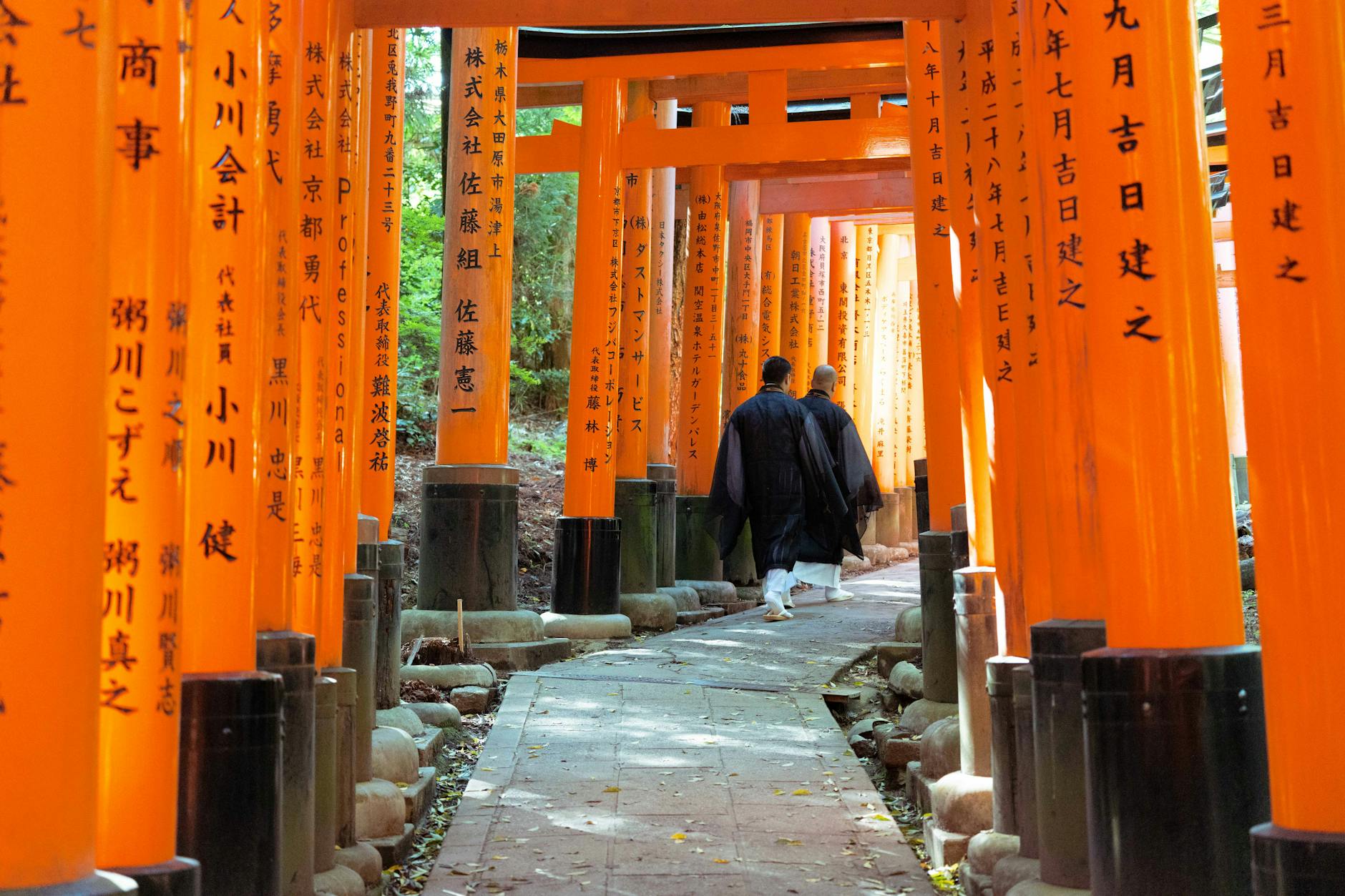
Introduction: When “Normal” Becomes “Shocking”
Picture this: You step off the plane in Tokyo, excited to experience Japan firsthand. But within hours, you’re thinking, “Wait… is this actually normal here?”
Meanwhile, your Japanese friend casually responds: 「え?これ、普通だけど?」(Huh? This is totally normal though?)
This culture gap happens to almost every foreigner visiting Japan. What seems bizarre to outsiders is simply everyday life for Japanese people. These cultural differences aren’t random quirks—they’re deeply rooted in Japanese values, history, and social philosophy.
Today, we’ll explore 10 fascinating cultural habits that consistently surprise foreigners, explain why they exist, and help you navigate Japan with greater understanding and confidence.
Quick View 📋
What you’ll discover:
- 10 uniquely Japanese cultural practices that surprise visitors
- The deeper meanings behind seemingly “strange” behaviors
- How understanding culture improves your Japanese communication
- Tips for navigating cultural differences respectfully
Perfect for: Anyone planning to visit Japan, Japanese language learners, or culture enthusiasts
Key takeaway: Japanese culture has logical reasons behind every “unusual” habit—understanding them helps you connect better with Japanese people
- Introduction: When "Normal" Becomes "Shocking"
- Quick View 📋
- 1. 静かな公共交通機関 (The Silent Symphony of Japanese Transportation)
- 2. お辞儀 (The Art of Bowing: More Than Just Politeness)
- 3. ゴミ箱がないのにゴミが落ちてない (The Missing Trash Can Mystery)
- 4. マスク文化 (Mask Culture: The Pre-COVID Phenomenon)
- 5. 箸の使い方にルールが多い!(The Intricate Universe of Chopstick Etiquette)
- 6. 本音と建前 (The Delicate Dance of True Feelings vs. Social Harmony)
- 7. 靴を脱ぐ文化 (The Sacred Boundary: Shoes Off Culture)
- 8. 完璧な時間厳守 (Punctuality Elevated to Art Form)
- 9. 自動販売機だらけ (The Vending Machine Wonderland)
- 10. 「いらっしゃいませ」に返事をしない?(The One-Way Greeting Ritual)
- The Language-Culture Connection
- Navigating Cultural Differences: Practical Tips
- Beyond Surface-Level Understanding
- Why This Matters for Language Learning
- Ready to Dive Deeper into Japanese Culture?
1. 静かな公共交通機関 (The Silent Symphony of Japanese Transportation)
The Shock Factor
In most countries, public transportation buzzes with conversation. People chat with friends, take phone calls, and generally treat trains and buses like mobile social spaces.
In Japan? It’s almost library-quiet.
What You’ll Experience:
- 📵 Phone conversations are taboo – People step off trains to answer calls
- 🤫 Whispered conversations only – Even friends keep voices extremely low
- 📚 Silent activities dominate – Reading, sleeping, or quietly scrolling phones
- 🎧 Headphones everywhere – Personal entertainment without disturbing others
The Cultural Logic
This isn’t about being antisocial—it’s about 他人に迷惑をかけない (not causing trouble for others), a fundamental Japanese value. In a crowded country where personal space is limited, respecting others’ mental space becomes crucial.
Historical context: This behavior intensified during Japan’s rapid urbanization in the 1960s-70s, when millions of people suddenly found themselves commuting together daily.
2. お辞儀 (The Art of Bowing: More Than Just Politeness)
The Shock Factor
Foreigners often feel overwhelmed by the complexity of Japanese bowing. When to bow? How deep? How many times?
The Bowing Spectrum:
- 軽い会釈 (Light nod) – Casual acknowledgment
- 普通のお辞儀 (Standard bow) – 15-degree angle for greetings
- 丁寧なお辞儀 (Polite bow) – 30-degree angle for thanks/apologies
- 最敬礼 (Deepest bow) – 45-degree angle for serious apologies
The Cultural Logic
Bowing isn’t just politeness—it’s hierarchy and respect made visible. Each bow communicates:
- Your relationship to the other person
- The level of formality required
- Your understanding of social context
Modern twist: Even during phone calls, many Japanese people instinctively bow while speaking—showing how deeply ingrained this behavior is!
3. ゴミ箱がないのにゴミが落ちてない (The Missing Trash Can Mystery)
The Shock Factor
Visitors frantically search for trash cans that simply don’t exist, yet Japanese streets remain spotlessly clean.
The Reality Check:
- 🗑️ Rare public trash cans – Removed after 1995 Tokyo subway attacks for security
- 🏠 Take it home culture – People carry trash until they reach home/work
- 🧹 Community responsibility – Neighborhood cleaning is everyone’s job
- ♻️ Sorting obsession – Complex recycling systems everyone follows
The Cultural Logic
This reflects 個人の責任感 (individual responsibility) and コミュニティ意識 (community consciousness). It’s not the government’s job to clean up after you—it’s your job not to create mess in the first place.
4. マスク文化 (Mask Culture: The Pre-COVID Phenomenon)
The Shock Factor
Long before COVID-19, many Japanese people wore masks daily, puzzling foreign visitors who associated masks with serious illness.
Pre-Pandemic Mask Reasons:
- 🤧 Preventing spread of colds – Consideration for others when sick
- 🌸 Pollen protection – Japan’s intense hay fever season
- 😷 Fashion statement – Especially among young people
- 🤫 Social invisibility – Feeling less self-conscious in crowds
- ❄️ Warmth in winter – Practical temperature regulation
The Cultural Logic
Masks embody 思いやり (thoughtfulness) and 他者への配慮 (consideration for others). Wearing a mask when you might be sick shows you care about your community’s health.
5. 箸の使い方にルールが多い!(The Intricate Universe of Chopstick Etiquette)
The Shock Factor
Foreigners learning chopsticks discover there are dozens of taboos they never knew existed.
Major Chopstick Don’ts:
- 🍚 Standing chopsticks upright in rice – Resembles incense at funerals
- 🥢 Passing food chopstick-to-chopstick – Mimics funeral bone-passing ritual
- 👉 Pointing with chopsticks – Extremely rude gesture
- 🍜 Spearing food – Shows lack of skill and respect
- 🥣 Moving bowls with chopsticks – Improper table manners
The Cultural Logic
These rules aren’t arbitrary—many stem from Buddhist funeral customs and Shinto purity concepts. Following chopstick etiquette shows cultural literacy and respect for Japanese traditions.
6. 本音と建前 (The Delicate Dance of True Feelings vs. Social Harmony)
The Shock Factor
Foreigners often feel Japanese people are “indirect” or “not saying what they really think.”
Understanding the System:
- 本音 (Honne) – Your true, private feelings
- 建前 (Tatemae) – What you express publicly to maintain harmony
- 空気を読む (Reading the atmosphere) – Understanding unspoken communication
- 察する (Intuiting) – Picking up on subtle cues
The Cultural Logic
This isn’t dishonesty—it’s 社会的調和 (social harmony) prioritized over individual expression. Direct confrontation can damage relationships permanently, so indirect communication preserves long-term connections.
Example: Instead of saying “I disagree,” someone might say “That’s interesting, but…” or “I’ll consider it.”
7. 靴を脱ぐ文化 (The Sacred Boundary: Shoes Off Culture)
The Shock Factor
Foreigners struggle with the complex rules about when and where to remove shoes.
Shoes-Off Locations:
- 🏠 All homes – Always, without exception
- 🏫 Schools – Students have indoor shoes
- 🏥 Some hospitals – Cleanliness priority
- 🍽️ Traditional restaurants – Especially tatami areas
- ⛩️ Temples and shrines – Sacred space respect
- 👗 Clothing store fitting rooms – Protecting merchandise
The Cultural Logic
This reflects 内と外の区別 (inside/outside distinction) and 清浄の概念 (concepts of cleanliness). Your shoes carry the “dirty” outside world—removing them creates a pure, sacred space.
8. 完璧な時間厳守 (Punctuality Elevated to Art Form)
The Shock Factor
The precision is almost supernatural—trains arrive within seconds of schedule, and being 5 minutes late triggers genuine concern.
Japanese Punctuality Facts:
- 🚄 Train accuracy – Average delay: 18 seconds
- 📞 Late notifications – Employers expect calls for any delay
- ⏰ Early arrival norm – Arriving exactly on time feels “late”
- 🙇♀️ Apology culture – Elaborate apologies for minor delays
The Cultural Logic
Punctuality represents 相手への敬意 (respect for others) and 社会的責任 (social responsibility). Being late wastes others’ time, which is considered deeply disrespectful.
9. 自動販売機だらけ (The Vending Machine Wonderland)
The Shock Factor
Japan has over 5 million vending machines—one for every 25 people—selling everything imaginable.
What’s Available:
- 🥤 Every drink imaginable – Hot, cold, seasonal flavors
- 🍜 Hot meals – Ramen, curry, even pizza
- ☂️ Emergency supplies – Umbrellas, phone chargers
- 🎁 Unusual items – Flowers, ties, even underwear
- 🎰 Entertainment – Toys, games, mystery boxes
The Cultural Logic
This phenomenon reflects:
- 高い安全性 (High safety levels) – Low vandalism rates
- 便利さへの追求 (Convenience pursuit) – 24/7 access to necessities
- 技術と伝統の融合 (Technology meets tradition) – Innovation in daily life
10. 「いらっしゃいませ」に返事をしない?(The One-Way Greeting Ritual)
The Shock Factor
Staff enthusiastically shout “いらっしゃいませ!” (Welcome!) but customers don’t respond, leaving foreigners feeling rude.
The Unspoken Rules:
- 🏪 Staff greeting – Loud, energetic welcome
- 🙂 Customer response – Smile, nod, or nothing at all
- 🔄 Not a conversation – It’s a ritual, not an exchange
- 🎭 Performance aspect – Staff energy shows dedication
The Cultural Logic
This represents おもてなし (hospitality) and 職人精神 (craftsman spirit). The greeting isn’t seeking a response—it’s demonstrating the staff’s commitment to service excellence.
The Language-Culture Connection
Understanding these cultural nuances does more than help you avoid embarrassment—it transforms your Japanese language learning:
Communication Benefits:
- 🗣️ More natural conversations – You understand context and subtext
- 🤝 Deeper relationships – Cultural awareness builds trust
- 📚 Better comprehension – You “get” references and implications
- 🎯 Appropriate responses – You know when to speak and when to stay silent
Real-World Application:
When someone says “ちょっと難しいですね” (It’s a bit difficult), cultural knowledge helps you understand they’re probably declining politely rather than asking for help.
Navigating Cultural Differences: Practical Tips
For First-Time Visitors:
- Observe first – Watch how locals behave before acting
- Ask questions – Most Japanese people appreciate genuine curiosity
- Embrace mistakes – Cultural learning happens through experience
- Show effort – Attempting to follow customs matters more than perfection
For Japanese Learners:
- Study culture alongside language – They’re inseparable
- Practice situational responses – Learn appropriate behavior for different contexts
- Understand the “why” – Cultural logic helps you remember rules
- Be patient with yourself – Cultural fluency takes time
Beyond Surface-Level Understanding
These cultural practices aren’t museum pieces—they’re living, evolving aspects of modern Japanese society. Some are adapting to globalization, others are becoming more pronounced as Japan emphasizes its unique identity.
Modern Adaptations:
- Mask culture – Evolved from practical to fashionable to pandemic-essential
- Punctuality – Extended to digital communications and online meetings
- Quiet public spaces – Now includes silent mode expectations for devices
- Bowing – Incorporated into video calls and digital interactions
Why This Matters for Language Learning
At NihongoKnow, we’ve discovered that students who understand cultural context learn Japanese faster and more effectively. Language isn’t just grammar and vocabulary—it’s a window into how people think, feel, and interact.
Our Integrated Approach:
- Cultural context – Every lesson includes cultural background
- Real-world application – Practice scenarios based on actual situations
- Respectful exploration – Understanding differences without judgment
- Practical skills – Navigate Japan confidently and respectfully
Ready to Dive Deeper into Japanese Culture?
Understanding Japanese culture isn’t just about avoiding awkward moments—it’s about building genuine connections and experiencing Japan on a deeper level. At NihongoKnow.com, we believe that language and culture are inseparable, and we’re here to guide you through both.
confidence.
🌐 Global Reach: Whether you’re in Vancouver, elsewhere in Canada, the US, or anywhere worldwide, our online courses bring authentic Japanese cultural education to you.
🎭 Immersive Experience: Learn through real scenarios, cultural simulations, and practical exercises that prepare you for actual interactions in Japan.
📚 Integrated Curriculum: Every language lesson includes cultural context, ensuring you understand not just what to say, but when, where, and why to say it.
🇯🇵 Our Cultural Learning Programs Include:
- Cultural etiquette workshops – Master bowing, gift-giving, and social interactions
- Business culture training – Navigate Japanese workplace customs confidently
- Travel preparation courses – Everything you need for your Japan trip
- Daily life simulations – Practice real-world scenarios in a safe environment
- Cultural Q&A sessions – Get answers to your specific questions
📍 Vancouver Japanese Culture Classes
Join our vibrant community of learners in Vancouver!
🌍 Online Cultural Learning
Can’t join us in Vancouver?
🚀 Start Your Cultural Journey Today!
Ready to move beyond surface-level understanding and truly connect with Japanese culture? Join thousands of learners who’ve discovered that cultural knowledge transforms their Japanese experience.
🎌 Book your first cultural consultation now and discover how understanding Japanese culture can accelerate your language learning journey!
Culture is the bridge between language and true understanding—let us help you cross it confidently.


