
OUTPUT-FOCUSED LEARNING · START SPEAKING JAPANESE FROM DAY 1
Japanese Classes in Vancouver & Online Across North America.
Practical Japanese lessons for complete beginners to advanced learners. Learn from a Japanese teacher with over 10 years of teaching experience and 15,000+ hours of teaching, using a student-centered approach that adapts to your goals, level, and pace through clear explanations and real conversation.
✓ 15,000+ TEACHING HOURS · ✓ STUDENT-CENTERED · ✓ BEGINNER → ADVANCED

How We Teach
More Speaking. More Interaction. More Real Japanese.
Japanese-Language Proficiency Test (JLPT) ≠ Speaking Japanese.
After 10+ years of teaching, I’ve seen it again and again: students can know the grammar and vocabulary, but still struggle to speak.
That’s why NihongoKnow puts real communication at the heart of learning from the beginning.

How You Learn
Make Every Minute Count
Learn Japanese with a Clear Purpose.
Each lesson is designed to make the most of your time,connecting what you learn with how you actually use Japanese.
Review
Conversation with
What You Know
Start by using what you learned in the previous lesson and this week’s target vocabulary through conversation.

Speak
Learn Through Conversation
As you talk, I naturally correct your Japanese and introduce new vocabulary and expressions based on what you need.
Practice
JLPT Grammar & Vocabulary
Learn essential JLPT grammar and immediately practice using it in conversation.
Feedback
Personal Feedback
to make it better

Get personalized feedback and clear targets for what to review and practice during the week.

Improve
Put It Into Practice

Use your new vocabulary, grammar, and expressions throughout the week—and come back ready to build on them.
Why Nihongo Know
And There’s More
More than just a Japanese class.
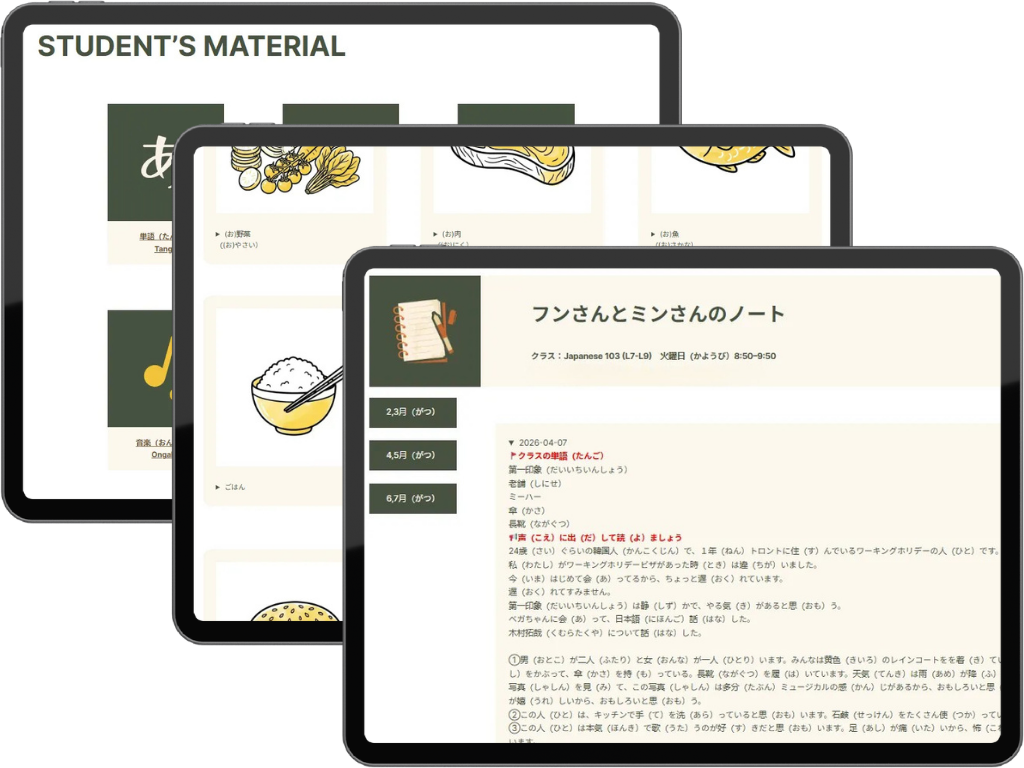
Learning Resources
Always know what to study next.
Access learning resources and clear guidance on what to review and practice, so you can keep progressing toward your goals.
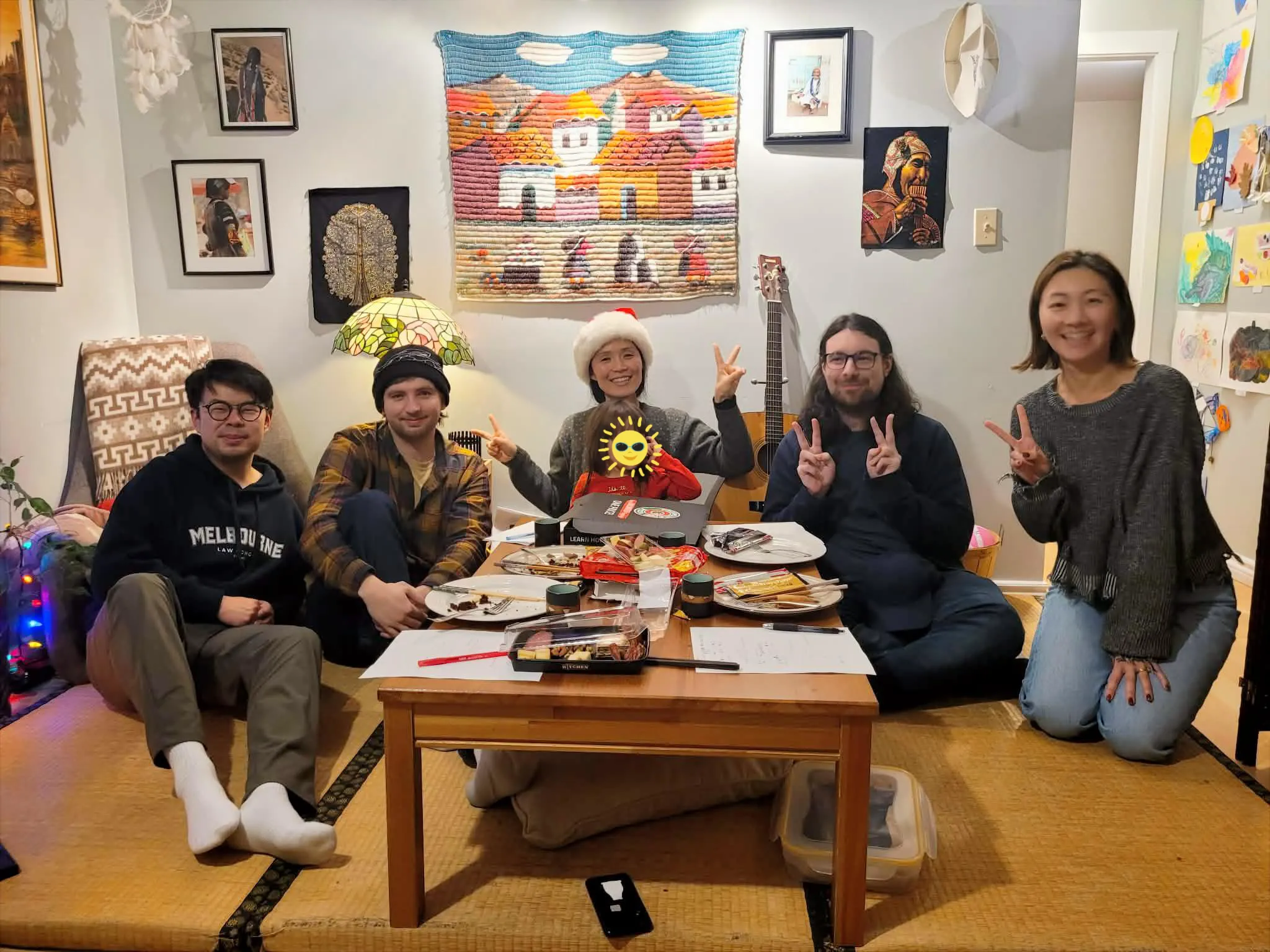
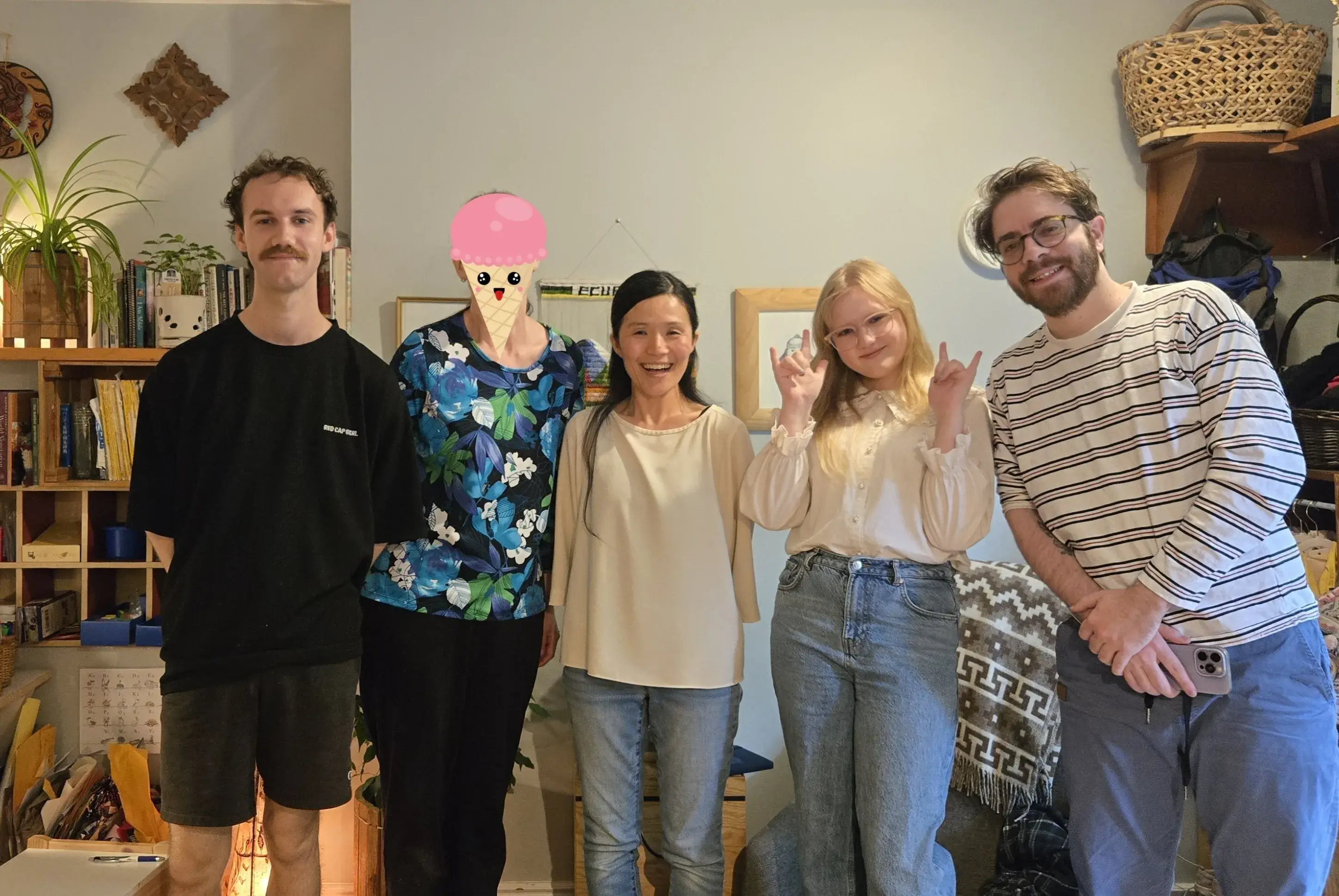
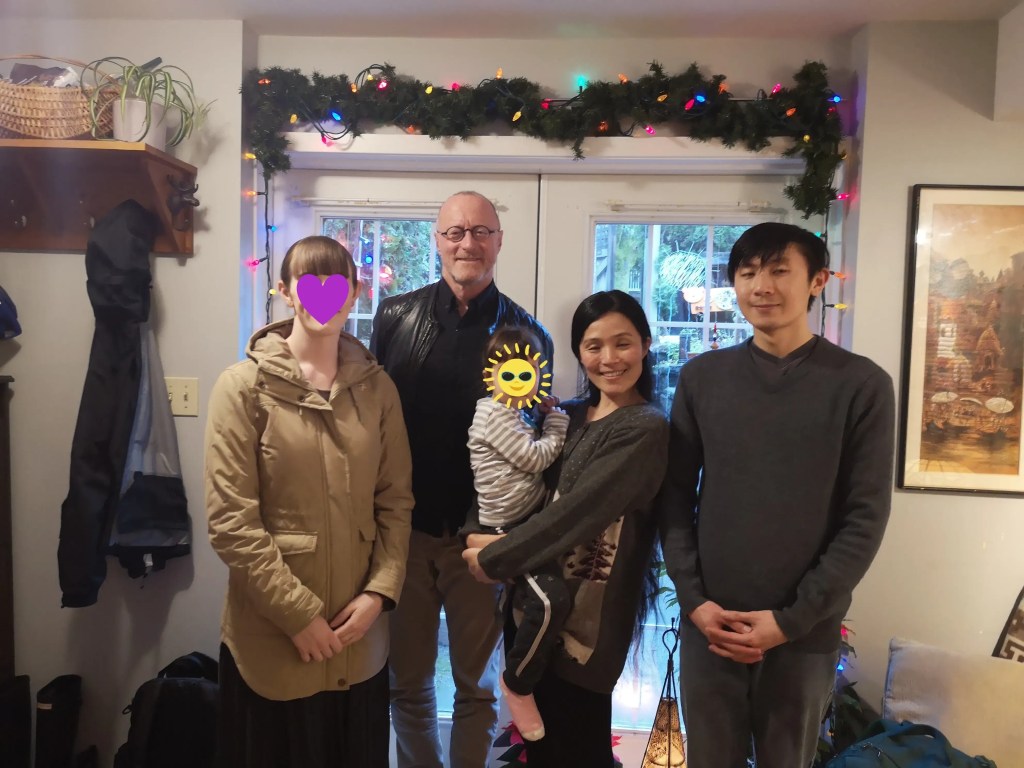
Japanese Community
Take Japanese beyond the classroom.
Practice with other learners through regular meetups, conversations, events, and activities in Vancouver.

The NihongoKnow Approach
We don’t just teach Japanese. We think about how people learn.
Learning a language is about more than memorizing vocabulary and grammar.
At NihongoKnow, we think carefully about how language becomes something you can actually use.
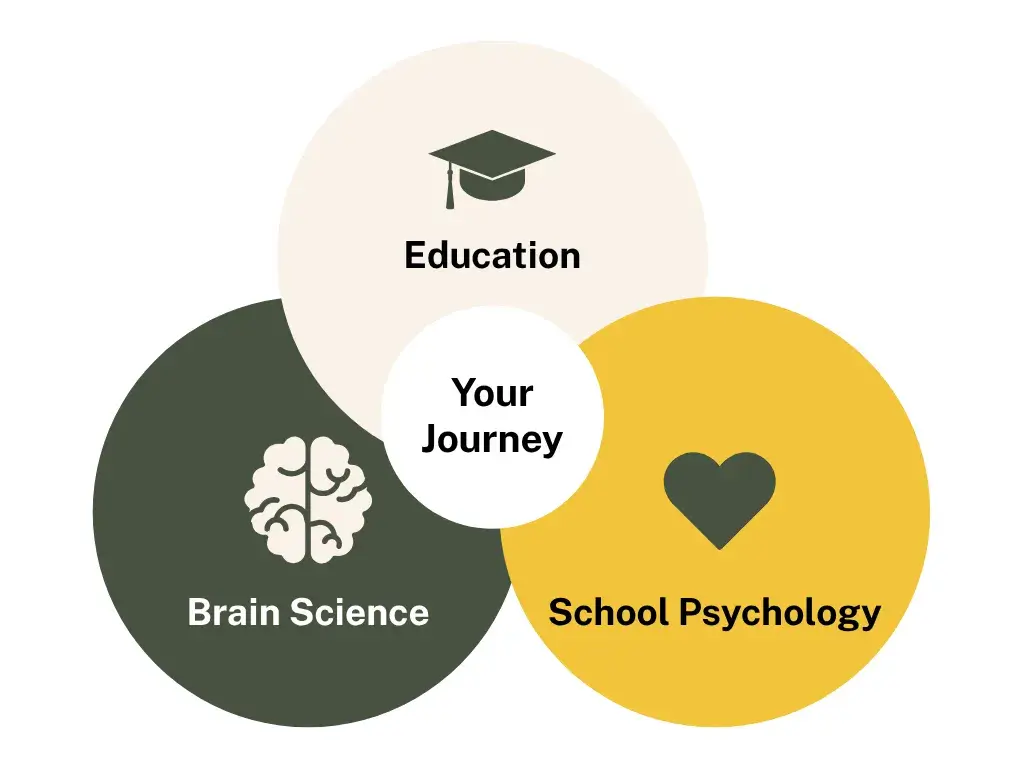
Our approach brings together brain science, education, and psychology to design learning around the way people learn, practice, and communicate.
We focus on moving learners from knowing Japanese to using Japanese—through real practice, feedback, and progressive challenges.
Brain Science × Education × Psychology
Designed around the brain.
Built through practice.
Adapted to the individual.
Founder & Lead Instructor
Hi, I’m Haruka !
Learn from a Teacher Who Knows How to Make Japanese Click.
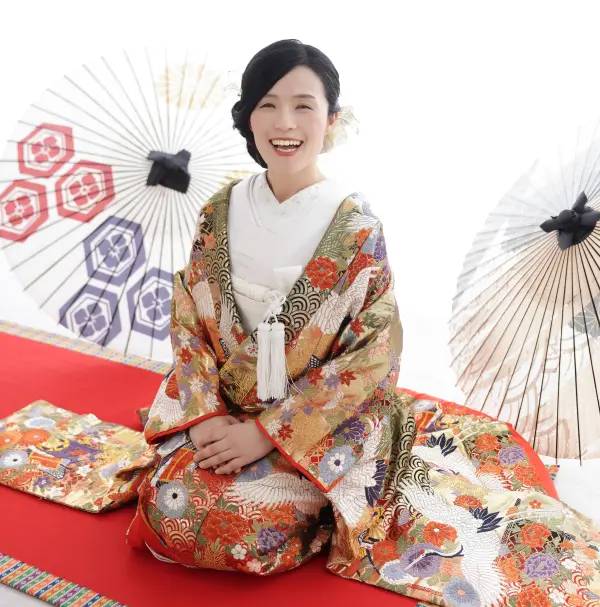
I’m Haruka, the founder of NihongoKnow. I’ve been teaching Japanese for over 10 years, and what I love most about teaching is seeing the moment when something finally clicks for a student.
Japanese can be confusing. A small difference in grammar, vocabulary, or expression can completely change how something sounds. I love breaking those things down, finding the explanation that makes sense to each student, and turning “I don’t get it” into “Oh, now I understand!”
My students come from all kinds of backgrounds and learn for different reasons, travel, university, work, JLPT, family, or simply a love of Japan. That’s why I pay close attention to who you are, what you want to achieve, and how you learn best.
My goal is not to make Japanese feel easier by skipping the difficult parts. It’s to make the difficult parts finally make sense.
And hopefully, have a lot of fun along the way.
Let’s make Japanese click.
Real Students. Real Progress.
See What Our Students Have to Say
See what students have achieved with NihongoKnow.

“In just 7 weeks, I went from nearly 0 to engaging in conversations with locals in Japan.”
— Aaron

“Now, most of our classes are almost entirely in Japanese.”
— Allison

“I was able to pass N2 last year and I could not have done it without her.”
— Calvin

“Haruka quickly assessed my strengths and weaknesses and created a learning plan to meet my needs.”
— Linda
How Japanese Learners Change
From Knowing Japanese to Using Japanese
Over time, learners move from translating and searching
for the right words to responding naturally in Japanese.
Through repeated use and reflection, Japanese becomes
something they can rely on, not something they have to construct.
The goal isn’t simply to know more Japanese.
It’s to be able to use it when it matters.
| Before | After |
| Searching for the perfect sentence Translating in your head Fear of mistakes | Responding naturally Staying in conversation Confidence through mistakes |
| Japanese exists as knowledge, not yet as something they can rely on. | Japanese becomes something they use, not something they perform. |
Choose How You Want To Learn
Find the Right Way to Learn Japanese
Everyone learns differently. Choose the learning path that fits your goals, schedule, and budget.
Small Group Class
- Small group setting
- Up to 6 students
- Beginner – Advanced
CAD $33 / hour
Price per student
Semi-Private
- 1-on-2 class
- Friends, family, or private group
- Personalized
CAD $50 / hour
Price per student

1-on-1
- Fully personalized
- All levels
- Flexible schedule
Starting at CAD $100 / hour
Price per student

Self-Study
- Learn at your own pace
- Guided materials
- No live classes
Depends on Materials
One-time purchase
Before You Start
Frequently Asked Questions About Japanese Classes
Whether you’re starting Japanese from scratch or looking to improve your speaking, find answers to common questions about our Japanese classes, learning options, and how lessons work.
Join Us !
Ready to Start Using Japanese?
You don’t need to be ready before you start.
Start where you are, practice with real feedback, and build the confidence to use Japanese in real life.