
Quick View 📋
Reading Time: 10 minutes
What You’ll Learn:
- The most spectacular autumn foliage spots and when to visit them
- Traditional November festivals: Shichi-Go-San, Tori no Ichi, and more
- Essential Japanese phrases and vocabulary for autumn celebrations
- Seasonal foods and where to find them
- Cultural insights into Japanese autumn traditions
- How to experience November in Japan (even from abroad!)
Perfect for: Japanese language learners, travelers planning autumn trips to Japan, culture enthusiasts, photographers, foodies, and anyone dreaming of experiencing Japan’s most colorful season! Whether you’re in Vancouver, Canada, the US, or anywhere in the world, discover why November is magical in Japan! 🌍🍂
- Quick View 📋
- 🍂 Why November is Japan's Most Enchanting Month
- 🍁 1. Autumn Foliage Viewing (紅葉 / Kōyō) – Nature's Grand Finale
- 🎎 2. Shichi-Go-San (七五三) – Celebrating Childhood Milestones
- 🔥 3. Tori no Ichi (酉の市) – The Rooster Festival
- 🌕 4. Late Autumn Moon Viewing (お月見 / Otsukimi)
- 🎶 5. Cultural Festivals and School Events (文化祭 / Bunkasai)
- 🍂 6. November Food Culture – Autumn's Delicious Harvest
- 🎌 7. National Holidays in November
- 🌡️ 8. November Weather & What to Pack
- 🎫 9. Practical November Travel Tips
- 📸 10. Instagram-Worthy November Spots
- 💝 Final Thoughts: Why November is Truly Special
🍂 Why November is Japan’s Most Enchanting Month
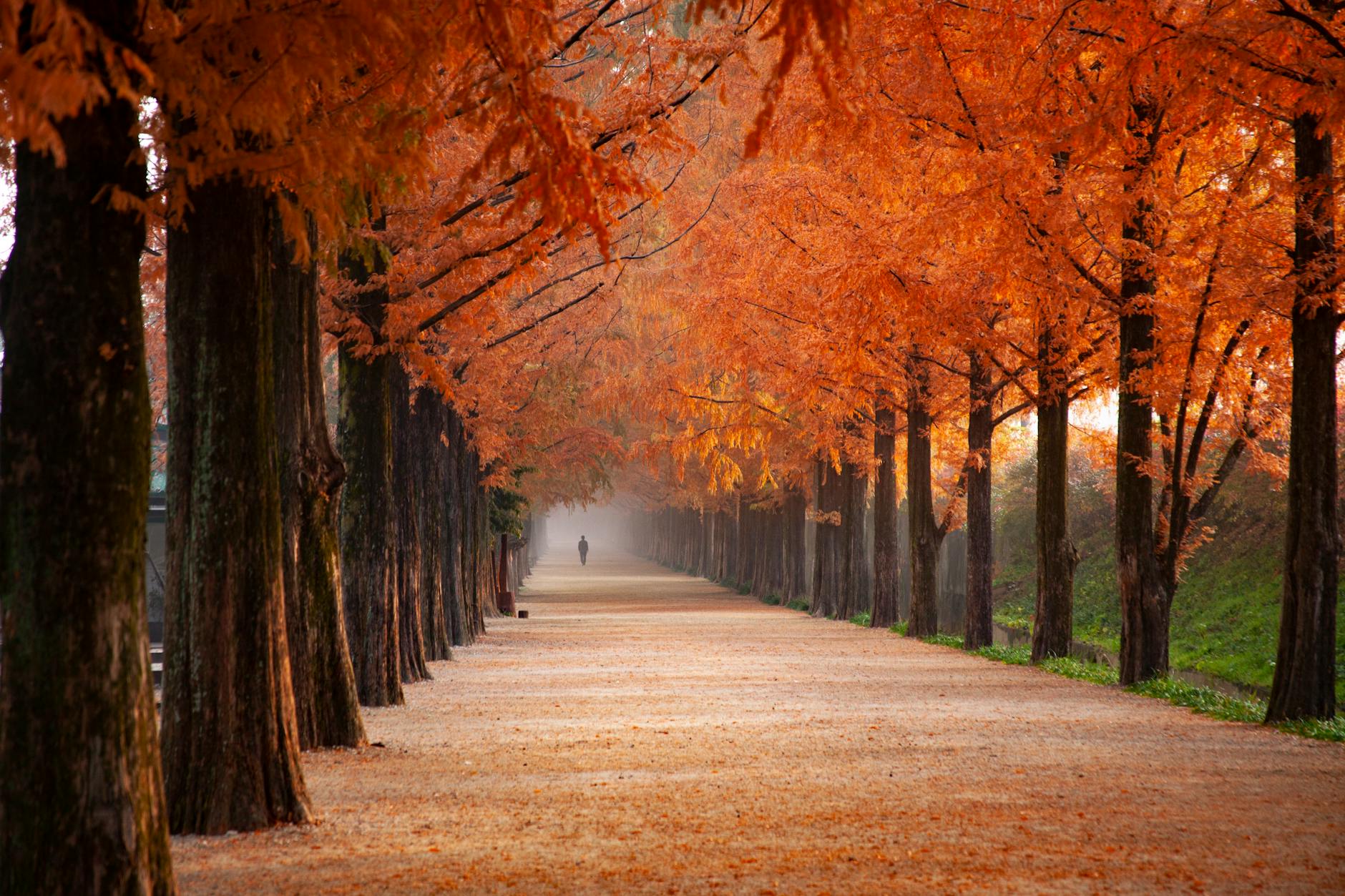
Imagine walking through a centuries-old temple in Kyoto, the pathway covered in a crimson carpet of fallen maple leaves 🍁. The crisp autumn air carries the sweet aroma of roasted chestnuts from a nearby street vendor. Families in vibrant kimono pass by, their children clutching colorful candy sticks as they head to shrine blessings. In the distance, you hear traditional festival music echoing through the mountains… 🎶
This isn’t a dream or a movie scene—this is November in Japan (11月 / じゅういちがつ / Jūichi-gatsu), arguably the most beautiful and culturally rich month of the entire year! ✨
While spring’s cherry blossoms get all the international fame, those who truly know Japan often say autumn is even MORE spectacular. And they’re right! Here’s why November stands out: 🌟
What Makes November Special: 🎯
- 🍁 Peak autumn foliage (紅葉 / kōyō) painting the country in reds, oranges, and golds
- ☀️ Perfect weather – cool, crisp, and clear (ideal for sightseeing!)
- 🎎 Rich cultural festivals celebrating traditions, children, and gratitude
- 🍂 Harvest season featuring Japan’s most delicious seasonal foods
- 📸 Incredible photo opportunities at every turn
- 🎉 Fewer crowds than cherry blossom season (but equally stunning!)
- 🌙 Crisp evening air perfect for illuminated temple visits
- 💝 Spirit of gratitude permeating Japanese culture
Whether you’re planning a trip to Japan, studying Japanese from Vancouver 🍁, or simply curious about Japanese culture, this comprehensive guide will immerse you in everything November has to offer. Let’s explore why this month holds such a special place in Japanese hearts! 💕
🍁 1. Autumn Foliage Viewing (紅葉 / Kōyō) – Nature’s Grand Finale
The Magic of Momijigari (紅葉狩り) 🦌
Momijigari (紅葉狩り) literally means “maple leaf hunting,” and it’s one of Japan’s most beloved seasonal traditions! Just as people flock to see cherry blossoms in spring, autumn brings millions of Japanese and tourists outdoors to witness nature’s breathtaking color transformation. 🎨
Why the Japanese are Obsessed with Autumn Leaves: 🤔
In Japanese culture, the changing seasons aren’t just noticed—they’re celebrated. The concept of mono no aware (物の哀れ) – the bittersweet beauty of impermanence – is deeply woven into Japanese aesthetics. Autumn leaves represent:
- 🍂 The fleeting nature of beauty
- 🌅 Life’s natural cycles
- 💭 A moment of reflection before winter
- 🙏 Gratitude for nature’s gifts
The Science of Japanese Autumn Colors: 🌡️
Japan’s autumn is particularly stunning due to several factors:
- Temperature drops that turn leaves vibrant red (not just orange/yellow!)
- Ancient maple varieties cultivated for centuries for their brilliant colors
- High humidity that intensifies pigmentation
- Mountain geography creating micro-climates with varying peak times
Peak Viewing Times by Region: 📅
| Region | Peak Foliage | Temperature |
| Hokkaido (North) | Late October – Early November | 5-12°C (41-54°F) |
| Tohoku (Northeast) | Early – Mid November | 8-15°C (46-59°F) |
| Kanto (Tokyo area) | Mid – Late November | 12-18°C (54-64°F) |
| Kansai (Kyoto/Osaka) | Mid November – Early December | 10-17°C (50-63°F) |
| Kyushu (South) | Late November – Early December | 15-20°C (59-68°F) |
Pro Tip: 🌟 Japan’s weather agencies release kōyō forecasts (紅葉予想) similar to cherry blossom forecasts! Check websites like Weathernews or Japan Guide for real-time updates.
🏞️ The Most Spectacular Autumn Foliage Spots
Kyoto (京都) – The Autumn Capital 🏯
Kyoto transforms into a living painting in November! With over 2,000 temples and shrines, ancient maple trees, and traditional architecture, it’s THE destination for autumn foliage.
🌟 Must-Visit Spots:
1. Arashiyama (嵐山) 🎋
- What: Bamboo groves meet fiery maple trees along the scenic Katsura River
- Highlight: Togetsukyo Bridge framed by mountains of red and gold
- When to go: Early morning to avoid crowds
- Useful phrase: 嵐山の紅葉は息をのむほど美しいですね (Arashiyama no kōyō wa iki wo nomu hodo utsukushii desu ne – Arashiyama’s autumn leaves are breathtakingly beautiful!)
2. Kiyomizu-dera (清水寺) 🏮
- What: UNESCO World Heritage temple with stunning hillside views
- Highlight: Evening illuminations (ライトアップ) make it otherworldly!
- Special feature: The wooden stage jutting out over a sea of crimson maples
- Entry: ¥400 (day), ¥400 (evening illumination, separate ticket)
3. Eikando (永観堂) 🍂
- What: Temple famous for the most beautiful autumn colors in Kyoto
- Why special: Over 3,000 maple trees in the temple grounds!
- Nickname: “Eikando of the Maples” (もみじの永観堂)
- Evening illumination: Absolutely magical – book in advance!
4. Tofuku-ji (東福寺) 🌉
- What: Zen temple with iconic Tsutenkyo Bridge
- Highlight: Walking over the bridge surrounded by a sea of red maples
- Photography: One of the most Instagrammed spots in Japan!
- Note: Can be VERY crowded – arrive RIGHT when it opens
5. Kodai-ji (高台寺) 🎭
- What: Temple with beautiful gardens designed by Sen no Rikyu
- Highlight: Laser light shows during evening illuminations (modern meets traditional!)
- Best for: Couples, photographers, those who love innovation
Cultural Note: 🎌 Many Kyoto temples charge extra for evening illuminations (around ¥600-800), but it’s WORTH IT. The combination of lit maples, traditional architecture, and reflection ponds creates scenes you’ll never forget!
Tokyo (東京) – Urban Autumn Beauty 🗼
Don’t think you need to leave Tokyo for stunning foliage! The capital has incredible autumn spots:
1. Rikugien Garden (六義園) 🏞️
- What: Edo-period landscape garden in central Tokyo
- Highlight: Weeping cherry trees and maples reflected in ponds
- Evening illumination: Late November (check dates!)
- Access: 7 min walk from Komagome Station
- Entry: ¥300
2. Mount Takao (高尾山) ⛰️
- What: Sacred mountain just 50 minutes from central Tokyo
- Highlight: Cable car ride through colorful forests
- Activity: Hike to the summit (599m) for panoramic views
- Bonus: Warm up with amazake (sweet sake) at mountain shops!
- Perfect for: Day trip combining nature and mild exercise
3. Showa Kinen Park (国営昭和記念公園) 🚴
- What: Massive park with gingko tree-lined paths
- Highlight: 200-meter golden ginkgo avenue (銀杏並木)
- Best time: Mid-November when ginkgo trees turn bright yellow
- Access: Tachikawa Station
- Perfect for: Families, picnics, cycling
4. Koishikawa Korakuen (小石川後楽園) 🎎
- What: Historic garden near Tokyo Dome
- Highlight: Mix of Japanese and Chinese garden styles
- Less crowded: Great alternative to busy spots!
Tokyo Tip: 🌃 Unlike Kyoto, Tokyo’s foliage spots are more scattered, but this means less crowding! Plus, you can easily combine leaf viewing with city sightseeing.
Nikko (日光) – Mountain Majesty ⛰️
Just 2 hours from Tokyo, Nikko offers some of Japan’s most dramatic autumn scenery!
1. Lake Chuzenji (中禅寺湖) 🛶
- What: Mountain lake surrounded by autumn-colored peaks
- Highlight: Take a boat cruise for 360° views
- Nearby: Kegon Falls (華厳の滝) with maples cascading alongside
- Peak: Early-mid November (higher elevation = earlier peak)
2. Toshogu Shrine (東照宮) ⛩️
- What: Lavishly decorated UNESCO shrine complex
- Highlight: Golden decorations + autumn colors = sensory overload!
- Cultural significance: Final resting place of Tokugawa Ieyasu
- Must-see: The famous “Three Wise Monkeys” carving
3. Irohazaka Winding Road (いろは坂) 🚗
- What: Scenic mountain road with 48 hairpin turns
- Experience: Drive or take a bus through layers of color
- Name origin: Each turn is named after Japanese syllabary characters
- Perfect for: Road trip enthusiasts, photographers
Nikko Pro Tip: 🎫 Get the Nikko Pass (regional train + bus pass) from Tobu Railway for unlimited rides around Nikko – huge savings and convenience!
📸 Photography Tips for Capturing Autumn Beauty
Best Lighting: 🌅
- Golden hour: 6:30-7:30 AM or 4:00-5:00 PM
- Overcast days: Actually better for even lighting on leaves!
- After rain: Wet leaves have more vibrant, saturated colors
Composition Ideas: 🎨
- Leading lines: Use pathways or streams covered with leaves
- Framing: Shoot through maple branches toward temples
- Reflections: Find ponds or puddles mirroring the foliage
- People: Include locals in kimono for cultural context
- Details: Close-ups of individual leaves with morning dew
Camera Settings (for enthusiasts): 📷
- Aperture: f/5.6-f/11 for landscapes, f/2.8-f/4 for bokeh portraits
- ISO: Keep low (100-400) in daylight for crisp images
- White Balance: Try “Cloudy” preset to warm up colors
Smartphone Tips: 📱
- Use HDR mode for high-contrast scenes
- Portrait mode for isolated subject with blurred foliage background
- Golden hour natural light beats any filter!
- Burst mode for capturing falling leaves
🗣️ Essential Autumn Foliage Vocabulary
| Japanese | Romaji | English | Usage Example |
| 紅葉 | kōyō | Autumn leaves/foliage | 紅葉がきれいですね (The autumn leaves are beautiful!) |
| もみじ | momiji | Maple tree/leaf | もみじが真っ赤です (The maple is bright red!) |
| 紅葉狩り | momijigari | Autumn leaf viewing | 週末に紅葉狩りに行きます (I’m going leaf viewing this weekend!) |
| 見頃 | migoro | Best time to view | 今が見頃です (Now is the best time to view!) |
| 色づく | irozuku | To turn colors | 葉が色づき始めました (The leaves are starting to change color) |
| 秋晴れ | akibare | Clear autumn sky | 秋晴れで気持ちいいです (It’s pleasant with the clear autumn weather!) |
| 落ち葉 | ochiba | Fallen leaves | 落ち葉を踏む音が好きです (I love the sound of stepping on fallen leaves) |
| ライトアップ | raitoapp | Illumination event | 夜のライトアップは幻想的です (The night illumination is magical!) |
Conversation Starters: 💬
- 紅葉はどこで見るのがおすすめですか?
(Kōyō wa doko de miru no ga osusume desu ka?)
Where do you recommend seeing autumn leaves? - 今年の紅葉はいつ頃が見頃ですか?
(Kotoshi no kōyō wa itsu goro ga migoro desu ka?)
When will this year’s autumn leaves be at their peak? - この景色、すごくきれいですね!
(Kono keshiki, sugoku kirei desu ne!)
This scenery is absolutely beautiful!
🎎 2. Shichi-Go-San (七五三) – Celebrating Childhood Milestones
What is Shichi-Go-San? 👘
Shichi-Go-San (literally “Seven-Five-Three”) is one of Japan’s most heartwarming traditions, celebrated primarily on November 15th (though families often visit on weekends throughout November for convenience). 💕
The Tradition: 🎌
Families bring children of specific ages to shrines to pray for their health, happiness, and future prosperity:
- 3 years old: Girls and boys (三歳 / san-sai)
- 5 years old: Boys only (五歳 / go-sai)
- 7 years old: Girls only (七歳 / nana-sai / shichi-sai)
Historical Background: 📜
In ancient Japan, child mortality rates were high. Reaching ages 3, 5, and 7 were considered significant milestones worth celebrating. These ages also correspond with traditional coming-of-age markers:
- Age 3: Children (both genders) could let their hair grow (before this, heads were shaved)
- Age 5: Boys could wear hakama (traditional pants)
- Age 7: Girls could wear obi (formal sash) like adult women
Modern Celebration: 🎉
Today, Shichi-Go-San is less about survival and more about:
- Appreciating children’s growth
- Family bonding and creating memories
- Passing down cultural traditions
- Professional photo opportunities!
What Happens During Shichi-Go-San? 📸
Morning: ☀️
- Children dress in traditional attire (kimono for girls, hakama for boys)
- Many families rent elaborate costumes (can cost ¥30,000-100,000 to rent!)
- Professional photos at studios (optional but popular)
At the Shrine: ⛩️
- Purification (お祓い / oharai) by Shinto priest
- Prayer ceremony for children’s health and future
- Receiving omamori (御守り / protective charms)
- Family photos in front of the shrine buildings
- Children receive Chitose Ame 🍬
Afternoon/Evening: 🍽️
- Family meal at a nice restaurant
- Sometimes a party with extended family
- More photos (because you paid for that kimono rental! 😄)
The Special Candy: Chitose Ame (千歳飴) 🍬
What is it?
Long, thin candy sticks (red and white) in bags decorated with cranes and turtles (symbols of longevity).
Symbolism: 🎋
- Chitose (千歳) = “thousand years”
- Length: Represents long life
- Colors: Red and white are auspicious colors
- Wrapper illustrations: Cranes (live 1,000 years) and turtles (live 10,000 years) symbolize longevity
Fun Fact: The candy is meant to be broken and shared with family, spreading the good fortune!
Where to Experience Shichi-Go-San 📍
Famous Shrine Spots:
Tokyo:
- Meiji Shrine (明治神宮) – Most popular in Tokyo!
- Asakusa Shrine (浅草神社) – Traditional atmosphere
- Hie Shrine (日枝神社) – Less crowded
Kyoto:
- Heian Shrine (平安神宮) – Beautiful traditional setting
- Fushimi Inari (伏見稲荷) – Iconic with torii gates
- Kitano Tenmangu (北野天満宮) – Academic blessings
Osaka:
- Sumiyoshi Taisha (住吉大社) – One of Japan’s oldest shrines
- Osaka Tenmangu (大阪天満宮) – Popular with locals
Visitor Tip: 🎌 Even if you don’t have children, visiting shrines during Shichi-Go-San is a wonderful cultural experience! You’ll see adorable children in traditional dress, experience authentic ceremonies, and capture beautiful photos. Just be respectful and ask before photographing children.
🗣️ Shichi-Go-San Vocabulary & Phrases
| Japanese | Romaji | English |
| 七五三 | shichi-go-san | 7-5-3 Festival |
| 千歳飴 | chitose ame | “Thousand year” candy |
| お参り | omairi | Shrine visit/prayer |
| 着物 | kimono | Traditional robe |
| 袴 | hakama | Traditional pants |
| お祝い | oiwai | Celebration |
| 健やかな成長 | sukoyaka na seichō | Healthy growth |
Phrases to Use:
- おめでとうございます!
(Omedetō gozaimasu!)
Congratulations! (to families celebrating) - お子さん、とてもかわいいですね。
(Okosan, totemo kawaii desu ne.)
Your child is so cute! - すくすく育ってね。
(Sukusuku sodatte ne.)
Grow up healthy and strong! (to the child)
Cultural Note: 🎎 If you compliment someone’s child during Shichi-Go-San, parents will be delighted! Japanese culture values modesty, so parents might respond with humble phrases like “いいえ、とんでもないです” (No, not at all), but they’re actually very proud!
🔥 3. Tori no Ichi (酉の市) – The Rooster Festival
What is Tori no Ichi? 🐓
Tori no Ichi (literally “Rooster Market”) is a lively festival held at shrines throughout Japan on the Days of the Rooster (酉の日 / tori no hi) according to the traditional Japanese zodiac calendar. Since there are typically 2-3 “rooster days” in November, the festival happens multiple times! 🗓️
2024/2025 Dates: 📅
- First Rooster Day (一の酉 / ichi no tori): November 1st
- Second Rooster Day (二の酉 / ni no tori): November 13th
- Third Rooster Day (三の酉 / san no tori): November 25th
Historical Origins: 📜
The festival dates back to the Edo period (1603-1868) and originated at Otori Shrine (鷲神社 / Washi Jinja) in Tokyo’s Asakusa district. Farmers would pray for good harvests, which evolved into merchants and business owners praying for prosperity.
The Main Attraction: Kumade (熊手) Rakes 🎋
What are Kumade?
Decorative bamboo rakes adorned with lucky charms, coins, masks, and symbols of prosperity. They range from palm-sized to several meters tall!
Symbolism: 💰
- The rake itself symbolizes “raking in” (かき集める) fortune and success
- Decorations include:
- 大入り (ōiri) = full house/big sales
- 千万両 (senman-ryō) = millions of gold coins
- 恵比寿・大黒天 (Ebisu & Daikokuten) = gods of commerce and wealth
- 招き猫 (maneki-neko) = beckoning cat for customers
- おかめ (Okame) = goddess of mirth and good fortune
- 小判 (koban) = old Japanese gold coins
The Tradition: 🎊
- Business owners buy a NEW kumade each year
- Each year, they buy a SLIGHTLY BIGGER one (symbolizing growing success!)
- The old kumade is returned to the shrine to be burned in gratitude
- When you purchase, vendors and bystanders clap rhythmically (手締め / tejime) to celebrate your good fortune!
Price Range: 💴
From ¥1,000 for small ones to ¥100,000+ for elaborate business-sized versions!
The Festival Atmosphere 🎉
What to Expect:
- 🏮 Hundreds of red lanterns lighting the shrine grounds
- 🎪 Vendors selling kumade, food, and lucky charms
- 🎶 Traditional festival music (お囃子 / ohayashi)
- 👘 Mix of salarymen in suits and visitors in kimono
- 🍢 Street food stalls (yatai) with takoyaki, yakisoba, amazake
- 📣 Vendors shouting energetic sales pitches: “商売繁盛!”(Shōbai hanjō!)
Best Shrines to Visit:
Tokyo:
- Otori Shrine, Asakusa (鷲神社) – The original! Most famous!
- Hanazono Shrine, Shinjuku (花園神社) – In the heart of the city
- Ōtori Shrine, Meguro (大鳥神社)
Other Cities:
- Osaka, Nagoya, and other major cities have their own Tori no Ichi celebrations!
🗣️ Tori no Ichi Vocabulary & Phrases
| Japanese | Romaji | English |
| 酉の市 | tori no ichi | Rooster Festival/Market |
| 熊手 | kumade | Lucky rake |
| 商売繁盛 | shōbai hanjō | Prosperous business |
| 縁起物 | engimono | Lucky charm |
| 手締め | tejime | Rhythmic clapping |
| 福 | fuku | Good fortune |
| 千客万来 | senkō banrai | May thousands of customers come! |
Essential Phrases:
- 商売繁盛をお祈りします!
(Shōbai hanjō o oinori shimasu!)
Wishing you prosperous business! - 熊手を買いたいんですが。
(Kumade o kaitain desu ga.)
I’d like to buy a lucky rake. - 来年も良い年になりますように。
(Rainen mo yoi toshi ni narimasu yō ni.)
May next year also be a good year.
Cultural Experience Tip: 💡 Even if you don’t own a business, buying a small kumade makes a unique souvenir and is said to bring personal good luck! Plus, experiencing the tejime (rhythmic clapping) when you purchase is incredibly fun and memorable!
🌕 4. Late Autumn Moon Viewing (お月見 / Otsukimi)
The Tradition Continues 🌙
While the main Tsukimi (月見 / moon-viewing) festival typically occurs in September or October during the harvest moon, some regions and temples hold late autumn moon-viewing events throughout November, especially when weather cooperates! ✨
Why Moon Viewing? 🤔
In Japanese culture, appreciating the moon (especially the full moon) is an ancient aristocratic practice dating back to the Heian period (794-1185). It represents:
- 🌾 Gratitude for harvest
- 💭 Contemplation and poetry
- 🎨 Aesthetic appreciation (美意識 / bi-ishiki)
- 🍂 Awareness of seasons passing
What Happens: 🏮
- Setting up viewing platforms or areas
- Offering tsukimi dango (月見団子 / rice dumplings) to the moon
- Decorating with susuki (pampas grass)
- Drinking tea while moon-gazing
- Writing poetry (traditionally haiku)
- Playing traditional music
November Moon Viewing Treats 🍡
Tsukimi Dango (月見団子) 🌕
Round white rice dumplings arranged in a pyramid, symbolizing the full moon
Seasonal Autumn Treats:
- Kuri kinton (栗きんとん) – Sweet chestnut paste
- Imo mochi (芋餅) – Sweet potato mochi
- Warm amazake (甘酒) – Sweet fermented rice drink (non-alcoholic)
- Hojicha (焙じ茶) – Roasted green tea (perfect for chilly evenings)
Where to Experience Late Autumn Moon Viewing:
- Traditional ryokan (Japanese inns) with garden views
- Some temples hold special evening events
- Parks with open spaces and few city lights
🗣️ Moon Viewing Vocabulary
| Japanese | Romaji | English |
| お月見 | otsukimi | Moon viewing |
| 満月 | mangetsu | Full moon |
| 月見団子 | tsukimi dango | Moon-viewing dumplings |
| すすき | susuki | Pampas grass |
| 秋の夜長 | aki no yonaga | Long autumn nights |
| 風流 | fūryū | Elegance, refinement |
Poetic Phrase:
月が綺麗ですね。(Tsuki ga kirei desu ne.)
“The moon is beautiful, isn’t it?”
Cultural Note: 💕 This phrase famously can also be a poetic way of saying “I love you” in Japanese, attributed to novelist Natsume Sōseki who suggested this indirect expression instead of the direct “愛してる” (aishiteru). Very Japanese!
🎶 5. Cultural Festivals and School Events (文化祭 / Bunkasai)
Japan’s Cultural Month 📚
November is officially recognized as Bunka no Tsuki (文化の月 / Cultural Month) in Japan, coinciding with Culture Day (November 3rd). This makes it the PEAK season for cultural festivals, especially at schools and universities! 🎉
What is Bunkasai? 🏫
Bunkasai (文化祭) or Gakuensai (学園祭 / campus festival) are annual cultural festivals held at Japanese schools. Think of them as a combination of talent show, art exhibition, and food fair—all rolled into one exciting event! ✨
What Happens:
Student Performances: 🎭
- Band concerts (usually J-pop or rock covers)
- Dance performances (everything from traditional to K-pop)
- Drama club plays
- Comedy sketches (manzai)
- Fashion shows
- Talent shows
Classroom Exhibitions: 🎨
- Art displays and galleries
- Science experiments and demonstrations
- Cultural presentations (tea ceremony, calligraphy)
- Photography exhibitions
- Student films and animations
Food Stalls: 🍜
- Each class runs a different food stall!
- Popular items: takoyaki, yakisoba, okonomiyaki, crepes, tapioca drinks
- Students work together to prepare and sell
- Friendly competition for best stall!
Other Activities: 🎪
- Haunted houses (お化け屋敷 / obake yashiki)
- Maid cafes (メイド喫茶)
- Fortune telling booths
- Game corners
- Flea markets
Can Foreigners Attend? 🌍
High School Festivals:
- Usually require invitation/tickets
- Ask Japanese friends with younger siblings!
- Some international schools hold open festivals
University Festivals: ✅
- MOST are open to the public!
- Free entry (though food costs money)
- Great way to experience Japanese youth culture
- Opportunity to meet Japanese students
Famous University Festivals:
Tokyo:
- Waseda University (早稲田祭) – One of the biggest!
- Keio University (三田祭) – Historic and prestigious
- Tokyo University (東大五月祭 in May, 駒場祭 in November)
- Sophia University (上智祭) – International atmosphere
Kansai:
- Kyoto University (November Festival)
- Osaka University (まちかね祭)
- Kobe University (六甲祭)
The Cultural Experience 🎌
Why Attend?
- 👥 Meet Japanese students in casual setting
- 🗣️ Practice conversational Japanese
- 🎵 Experience Japanese youth culture firsthand
- 📸 Great photo opportunities
- 🍱 Delicious, cheap student-made food
- 🎉 Fun, energetic atmosphere
- 💝 See Japanese teamwork and dedication in action
What to Expect as a Foreigner:
- Students may be excited/nervous to speak English with you!
- You might be asked to take photos
- Very welcoming atmosphere
- Some performances have English subtitles
- Food ordering is usually straightforward (point and pay!)
🗣️ Bunkasai Vocabulary & Phrases
| Japanese | Romaji | English |
| 文化祭 | bunkasai | Cultural festival |
| 学園祭 | gakuensai | Campus festival |
| 模擬店 | mogiten | Food stall |
| 出し物 | dashimono | Performance/exhibit |
| お化け屋敷 | obake yashiki | Haunted house |
| ステージ | sutēji | Stage (performances) |
| フリーマーケット | furī māketto | Flea market |
Useful Phrases at Bunkasai: 💬
これはいくらですか?
(Kore wa ikura desu ka?)
How much is this?
とても楽しいですね!
(Totemo tanoshii desu ne!)
This is so fun!
写真を撮ってもいいですか?
(Shashin wo totte mo ii desu ka?)
May I take a photo?
頑張ってください!
(Ganbatte kudasai!)
Good luck! / Do your best! (to students performing)
Useful Phrases at Bunkasai: 💬
これはいくらですか?
(Kore wa ikura desu ka?)
How much is this?
とても楽しいですね!
(Totemo tanoshii desu ne!)
This is so fun!
写真を撮ってもいいですか?
(Shashin wo totte mo ii desu ka?)
May I take a photo?
頑張ってください!
(Ganbatte kudasai!)
Good luck! / Do your best! (to students performing)
🍂 6. November Food Culture – Autumn’s Delicious Harvest
November is peak harvest season in Japan, bringing an incredible array of seasonal foods that you simply CANNOT miss! 🍽️
Must-Try November Foods 🌰
Chestnuts (栗 / Kuri) 🌰
What: Sweet, starchy nuts harvested in autumn
Where to find: Street vendors, wagashi shops, restaurants
Popular Dishes:
- Kuri Gohan (栗ご飯): Chestnuts cooked with rice – simple but divine!
- Mont Blanc: Japanese take on the French dessert with chestnut cream
- Kuri Kinton (栗きんとん): Sweet chestnut paste – smooth and luxurious
- Roasted Chestnuts (焼き栗): Sold by street vendors – warm and comforting
Try saying: 栗ご飯が大好きです!(Kuri gohan ga daisuki desu! – I love chestnut rice!)
Sweet Potatoes (さつまいも / Satsumaimo) 🍠
What: Japanese sweet potatoes with purple skin and yellow flesh
Why special: Incredibly sweet naturally – like nature’s dessert!
Popular Preparations:
- Yakiimo (焼き芋): Stone-roasted sweet potatoes from vendors – THE autumn street food!
- Daigaku Imo (大学芋): Candied sweet potato with sesame seeds
- Sweet Potato Tempura: Crispy outside, creamy inside
- Imo Yokan (芋羊羹): Sweet potato jelly dessert
Street Vendor Alert: 🚚 Listen for the distinctive musical chime of yakiimo trucks driving through neighborhoods! The song “Ishi yaki imo” is iconic autumn nostalgia.
Persimmons (柿 / Kaki) 🧡
What: Orange fruit that sweetens in autumn
Varieties:
- Fuyu (富有柿): Crisp like an apple – eat fresh!
- Hachiya (蜂屋柿): Soft and jelly-like when ripe
How to eat:
- Fresh as a snack
- Dried (hoshigaki / 干し柿) – concentrated sweetness!
- In salads with daikon and citrus dressing
- Persimmon ice cream (surprisingly delicious!)
Mushrooms (きのこ / Kinoko) 🍄
What: Autumn is THE season for mushrooms in Japan!
Popular Varieties:
- Matsutake (松茸): The king of mushrooms – incredibly expensive and aromatic
- Shiitake (椎茸): Savory and meaty
- Maitake (舞茸): “Dancing mushroom” – rich and flavorful
- Shimeji (しめじ): Small and delicate
Dishes:
- Matsutake gohan (rice cooked with matsutake)
- Mushroom hot pot (kinoko nabe)
- Grilled matsutake with sudachi citrus
- Mushroom tempura
Price Note: 💸 Matsutake can cost ¥10,000-30,000+ per kilogram! They’re a luxury item, but worth trying even a small portion if you can.
Pacific Saury (秋刀魚 / Sanma) 🐟
What: Fall fish – literally means “autumn sword fish”
Peak season: September-November
Preparation: Usually salt-grilled whole (shioyaki)
How to eat: Squeeze fresh sudachi or kabosu citrus over it, eat with grated daikon
Cultural note: Eating sanma is quintessentially autumn in Japan. You’ll see them everywhere in November!
New Rice (新米 / Shinmai) 🍚
What: Freshly harvested rice from the autumn harvest
Why special: More fragrant, slightly sticky, and sweet compared to older rice
Where: Any restaurant will proudly serve shinmai in November!
Experience: The difference is noticeable – rice actually becomes the star of the meal
Chrysanthemum Flowers (菊 / Kiku) 🌸
What: YES, you can eat chrysanthemums in Japan!
Taste: Slightly bitter with floral notes
Uses:
- Floated in tea or sake (visual and culinary)
- In salads (edible petals)
- As tempura
- Garnish on sashimi
Regional November Specialties 🗾
Kyoto:
- Yudofu (湯豆腐) – Hot pot with tofu, perfect for cooling weather
- Obanzai (おばんざい) – Traditional Kyoto home cooking featuring seasonal vegetables
- Kaiseki with autumn ingredients
Hokkaido:
- Fresh crab season begins!
- Autumn salmon (秋鮭 / akizake)
- Jaga-butter (butter potatoes) from fall harvest
Osaka:
- Takoyaki with autumn vegetables
- Kushikatsu featuring seasonal mushrooms
- Oden starting to appear in street stalls
Where to Experience November Food 🍜
Depachika (デパ地下):
Department store basements – paradise for seasonal foods! Every major department store (Takashimaya, Mitsukoshi, Isetan) has elaborate food floors featuring:
- Beautifully packaged seasonal sweets
- Ready-to-eat autumn delicacies
- High-end seasonal ingredients
- Sample tastings!
Farmers Markets:
- Tokyo: Aoyama Farmers Market (weekends)
- Kyoto: Kyoto Farmers Market at Umekoji Park
- Fresh seasonal produce directly from farmers
Izakaya (居酒屋):
Japanese pubs always feature seasonal menus. Look for signs saying “秋の味覚” (aki no mikaku – autumn flavors)!
Kaiseki Restaurants:
Traditional multi-course restaurants that showcase seasonal ingredients at their finest. Expensive but unforgettable!
🗣️ Food Vocabulary for November
JapaneseRomajiEnglish秋の味覚aki no mikakuAutumn flavors/tastes旬shunIn season新鮮shinsenFresh美味しいoishiiDeliciousこれくださいkore kudasaiI'll have thisおすすめは何ですかosusume wa nan desu kaWhat do you recommend?
At restaurants:
秋の特別メニューはありますか?
(Aki no tokubetsu menyū wa arimasu ka?)
Do you have an autumn special menu?
旬の食材を使った料理をお願いします。
(Shun no shokuzai wo tsukatta ryōri wo onegaishimasu.)
I’d like dishes using seasonal ingredients.
これは何が入っていますか?
(Kore wa nani ga haitte imasu ka?)
What’s in this?
🎌 7. National Holidays in November
November has THREE national holidays in Japan, making it a great month for visitors (though some places get crowded)!
Culture Day (文化の日 / Bunka no Hi) – November 3rd 🎨
What: Day to promote Japanese culture, arts, and academic achievement
History: Established in 1948, coincides with the promulgation of Japan’s postwar constitution
What Happens:
- 🏛️ Museums offer FREE or discounted entry!
- 🎭 Cultural performances and exhibitions
- 🏆 Cultural Order ceremony at Imperial Palace (broadcast on TV)
- 🎨 Art galleries host special events
- 📚 Libraries and cultural centers have special programs
Best Activities:
- Visit museums for free (check each museum’s policy)
- Attend university cultural festivals
- Watch traditional performances at theaters
- Explore art galleries and exhibitions
Tokyo Recommendations:
- Tokyo National Museum (usually free entry on this day!)
- National Museum of Western Art
- Various ward museums and cultural centers
Labor Thanksgiving Day (勤労感謝の日 / Kinrō Kansha no Hi) – November 23rd 🙏
What: Day to give thanks for labor and production
Historical Origin: Originally a harvest festival (Niiname-sai / 新嘗祭) dating back to ancient times
Modern Meaning: Appreciation for workers and productivity
What Happens:
- 👨👩👧👦 Children make thank-you cards for workers (police, firefighters, etc.)
- 🎉 Some companies give employees the day off (public holiday)
- 🌾 Some Shinto shrines hold harvest thanksgiving ceremonies
- 🍂 Often combined with the weekend for mini-vacations
Cultural Activity:
If you know any Japanese friends, it’s a nice gesture to thank them for their hard work! A simple “いつもお疲れ様です” (Itsumo otsukaresama desu – Thank you for always working hard) goes a long way.
The “Golden Week” of Autumn? 🗓️
When November 3rd and 23rd fall near weekends, combined with regular weekends and strategic vacation days, some Japanese people create a longer holiday period (though not as extensive as the spring Golden Week). This means:
For Tourists:
- ✅ Great time to visit! Locals are traveling too
- ⚠️ Popular spots will be busier
- ⚠️ Book accommodations well in advance
- ✅ Festive atmosphere everywhere
🌡️ 8. November Weather & What to Pack
Temperature Guide by Region 🌡️
Hokkaido (北海道):
- Temperature: 0-8°C (32-46°F)
- Weather: Early snow possible, cold and crisp
- Pack: Winter coat, gloves, warm layers, waterproof boots
Tokyo/Kanto (東京/関東):
- Temperature: 10-18°C (50-64°F)
- Weather: Comfortable, mostly sunny, minimal rain
- Pack: Light jacket, layers, comfortable walking shoes
Kyoto/Osaka/Kansai (京都/大阪/関西):
- Temperature: 8-17°C (46-63°F)
- Weather: Cool and pleasant, occasional rain
- Pack: Medium jacket, scarf, layers
Kyushu/Okinawa (九州/沖縄):
- Temperature: 15-22°C (59-72°F)
- Weather: Mild, comfortable
- Pack: Light jacket, long sleeves
Packing Essentials for November Japan 🎒
Clothing:
- 🧥 Layerable pieces (temperatures vary throughout day)
- 🧣 Light scarf (versatile for warmth and photos!)
- 👟 Comfortable walking shoes (you’ll walk A LOT)
- 🧦 Extra socks (for temple visits requiring shoe removal)
- 🧤 Light gloves (for northern regions)
- 👕 Long-sleeve shirts (most useful)
Accessories:
- 📷 Camera with extra battery (cold drains batteries faster!)
- 🔋 Portable charger
- 🌂 Compact umbrella (just in case)
- 🎒 Daypack for sightseeing
- 💊 Basic medicines (headache, stomach issues)
Pro Tips:
- Onion layering: Start with base layer, add sweater, finish with jacket you can remove
- Dark colors: Practical for city exploration and temple visits
- Avoid bulky coats: Layers are more versatile than one heavy coat
- Bring a nicer outfit: If you plan to dine at upscale restaurants or attend events
Weather Characteristics ☀️
What to Expect:
- ☀️ Mostly sunny with clear blue skies (秋晴れ / akibare)
- 💨 Less humidity than summer (comfortable!)
- 🌙 Cool evenings (temperature drops significantly)
- 🌧️ Low rainfall (one of the driest months)
- 🌬️ Occasional strong winds (especially in coastal areas)
Best Weather Month?
Many consider November one of the BEST weather months in Japan – comfortable temperatures, low humidity, clear skies, and beautiful scenery!
🎫 9. Practical November Travel Tips
Crowd Levels 📊
Compared to other months:
- ✅ Less crowded than cherry blossom season (March-April)
- ⚠️ Busier than summer or winter
- 🔥 Kyoto autumn foliage spots can be VERY crowded (especially weekends)
- ✅ Tokyo maintains steady tourist levels
Strategies for Avoiding Crowds:
- 🌅 Visit popular temples at opening time or late afternoon
- 📅 Weekdays are significantly less crowded than weekends
- 🚇 Arrive before 9 AM at famous spots like Tofuku-ji
- 🌙 Evening illuminations are often less crowded than daytime
Booking Accommodations 🏨
Book EARLY for November!
Autumn foliage season is peak travel time, especially in Kyoto.
Recommendations:
- 3-4 months in advance for Kyoto
- 2-3 months in advance for Tokyo
- 1-2 months in advance for other cities
Consider:
- Staying outside Kyoto city center (use trains to access temples)
- Business hotels (budget-friendly, clean, convenient)
- Ryokan experience (traditional inn – book early!)
- Airbnb in residential areas (more space, local experience)
Transportation Tips 🚄
JR Pass Worth It?
If you’re doing Tokyo → Kyoto → Tokyo (or similar long-distance travel), YES!
- 7-day JR Pass: ¥29,650
- Tokyo-Kyoto return shinkansen: ~¥26,000
- Plus unlimited JR trains during the pass period
IC Cards:
Get a Suica (Tokyo) or ICOCA (Kansai) card for seamless local transport. Tap on, tap off – works on trains, buses, even vending machines!
Reserve Seats:
For shinkansen during November, reserve seats (especially on weekends and holidays). Non-reserved cars can be standing-room only!
Money Matters 💴
Budget Estimate (per day):
- Budget: ¥8,000-12,000 ($55-80 USD)
- Mid-range: ¥15,000-25,000 ($100-170 USD)
- Luxury: ¥30,000+ ($200+ USD)
Cash is King:
Despite being technologically advanced, Japan still runs on cash. Many small restaurants, temples, and shops don’t accept cards.
Where to Withdraw:
- 7-Eleven ATMs (most reliable for foreign cards)
- Post Office ATMs
- Major bank ATMs (some may not accept foreign cards)
Tipping:
NOT customary in Japan! Don’t leave tips at restaurants or for service – it can be confusing or even offensive.
Language Tips 🗣️
English Proficiency:
- Tokyo: Moderate English, many signs in English
- Kyoto: Touristy areas have English, but less common elsewhere
- Rural areas: Very limited English
Essential Apps:
- Google Translate: Download Japanese offline
- Google Maps: Navigation (works excellently in Japan)
- Japan Official Travel App: Tourist info and maps
- Tabelog: Restaurant reviews and info (like Japanese Yelp)
Survival Phrases:
- すみません (Sumimasen) – Excuse me / Sorry
- ありがとうございます (Arigatō gozaimasu) – Thank you
- これください (Kore kudasai) – I’ll have this
- トイレはどこですか (Toire wa doko desu ka) – Where is the toilet?
- 英語を話せますか (Eigo wo hanasemasu ka) – Do you speak English?
📸 10. Instagram-Worthy November Spots
Looking for those perfect photo ops? Here are the most photogenic November locations! 📷✨
Kyoto Must-Shoots 🏯
- Fushimi Inari Shrine (before 8 AM)
- Red torii gates with autumn leaves
- Early morning light through the tunnels
- Nearly empty pathways (if you go early!)
- Bamboo Grove in Arashiyama (sunrise)
- Golden light filtering through bamboo
- Misty mornings create ethereal atmosphere
- Red maple leaves contrasting with green bamboo
- Kiyomizu-dera Wooden Stage
- Panoramic view over autumn valley
- Evening illumination shots (magical!)
- Traditional architecture framed by foliage
- Philosopher’s Path (throughout day)
- Canal lined with colorful trees
- Reflection shots in the water
- Stone path covered with fallen leaves
Tokyo Perfect Spots 🗼
- Meiji Shrine’s Forest (morning)
- Tranquil wooded paths
- Traditional torii gates
- Peaceful atmosphere away from city chaos
- Tokyo Tower with Ginkgo Trees (late afternoon)
- Iconic tower framed by golden ginkgo leaves
- Zojoji Temple in foreground
- Sunset lighting on the tower
- Rikugien Garden (evening illumination)
- Reflections in pond
- Traditional bridges and tea houses
- Illuminated maple trees
Photography Composition Tips 📸
Leading Lines:
- Stone pathways covered in leaves
- Temple corridors framing foliage views
- Tree-lined avenues creating natural tunnels
Foreground Interest:
- Include temple lanterns or gates
- Place a maple branch in foreground
- Use traditional architecture as frame
Golden Hour:
- Shoot 30 minutes after sunrise
- Best light 1 hour before sunset
- Warm, golden tones enhance autumn colors
People & Culture:
- Children in Shichi-Go-San attire at shrines
- Elderly locals at morning temple visits
- Festival scenes with traditional elements
Detail Shots:
- Single perfect maple leaf
- Fallen leaves in patterns
- Moss and leaves together
- Reflections in puddles or ponds
💝 Final Thoughts: Why November is Truly Special
After exploring everything November offers, you can see why locals and seasoned travelers often say it’s Japan’s most magical month. It’s not just about the stunning autumn colors (though they’re reason enough!). It’s about the complete experience:
🍁 Natural Beauty that rivals cherry blossoms
🎎 Cultural Richness with heartwarming traditions
🍂 Culinary Excellence featuring harvest bounty
☀️ Perfect Weather for exploration
💝 Spirit of Gratitude permeating everything
November captures the essence of Japanese culture: appreciation for fleeting beauty, respect for tradition, and celebration of life’s simple pleasures. Whether you’re walking through a crimson-carpeted temple, watching adorable children in traditional dress, experiencing the energy of a rooster market, or savoring freshly harvested chestnuts, every moment feels special.
Planning Your November Japan Adventure 🗺️
Ideal Itinerary Length:
- First-timers: 10-14 days (Tokyo → Kyoto/Osaka → day trips)
- Return visitors: 7-10 days (focus on specific regions/experiences)
- Extended stay: 2-3 weeks (include rural areas, multiple festivals)
Perfect November Route:
- Tokyo (3-4 days): Urban autumn spots, university festivals, city culture
- Nikko (1 day): Mountain autumn scenery
- Kyoto (4-5 days): Temple foliage, Shichi-Go-San, traditional culture
- Osaka (2 days): Food scene, Tori no Ichi if timing works
- Nara (1 day): Deer park with autumn leaves
A Love Letter to November 💌
There’s something profoundly moving about experiencing Japan in November. As you stand in a centuries-old temple, surrounded by crimson leaves floating gently to the ground, you understand why the Japanese have celebrated autumn for millennia. The season whispers of impermanence, beauty, and gratitude – core values that define Japanese culture.
You’ll leave with more than just photos (though you’ll have thousands!). You’ll carry memories of:
- The crunch of leaves underfoot on ancient stone paths
- The sweet aroma of roasted chestnuts on chilly afternoons
- The joyful faces of children in elaborate kimono
- The warm hospitality of locals sharing their favorite seasonal spots
- The profound peace of watching the autumn sun set over temple rooftops
Your November Awaits 🌟
Whether you’re a photographer seeking perfect autumn compositions, a foodie craving seasonal delicacies, a culture enthusiast wanting authentic experiences, or simply someone seeking beauty and tranquility – November delivers beyond expectations.
So pack your layers, charge your camera, bring an open heart, and prepare for the journey of a lifetime. Japan’s autumn is calling, and trust us – it’s a call worth answering! 🍁✈️
いってらっしゃい!(Itterasshai! – Have a great trip!)
Quick Reference: November in Japan At-a-Glance 📋
Best For: ✨ Autumn foliage viewing
✨ Cultural festival experiences
✨ Comfortable weather sightseeing
✨ Seasonal food experiences
✨ Photography opportunities
What to Pack: 🧥 Layers (light jacket, sweaters)
👟 Comfortable walking shoes
📷 Camera with extra batteries
🧣 Scarf for versatility
💴 Cash for temples and small shops
Don’t Miss: 🍁 Kyoto temple illuminations
🎎 Shichi-Go-San at major shrines
🔥 Tori no Ichi festival
🌰 Seasonal autumn foods
🏫 University cultural festivals
Book in Advance: ✅ Accommodations (especially Kyoto)
✅ Evening temple illumination tickets
✅ Shinkansen reserved seats
✅ Popular restaurant reservations
Save Money On: 💰 Museums (free/discounted on Culture Day)
💰 University festivals (free entry)
💰 Convenience store meals (surprisingly good!)
💰 Local trains vs. taxis
Resources 📚
Official Tourism Sites:
- Japan National Tourism Organization: www.jnto.go.jp
- Kyoto City Official: kyoto.travel
- Tokyo Tourism: www.gotokyo.org
Autumn Foliage Forecasts:
- Japan Guide: www.japan-guide.com (English)
- Weathernews: weathernews.jp (Japanese)
Transportation:
- JR Pass: www.jrpass.com
- Hyperdia: Train route planning
Accommodations:
Airbnb (apartments)
Booking.com, Agoda (hotels)
Japanican: www.japanican.com (ryokan)


