
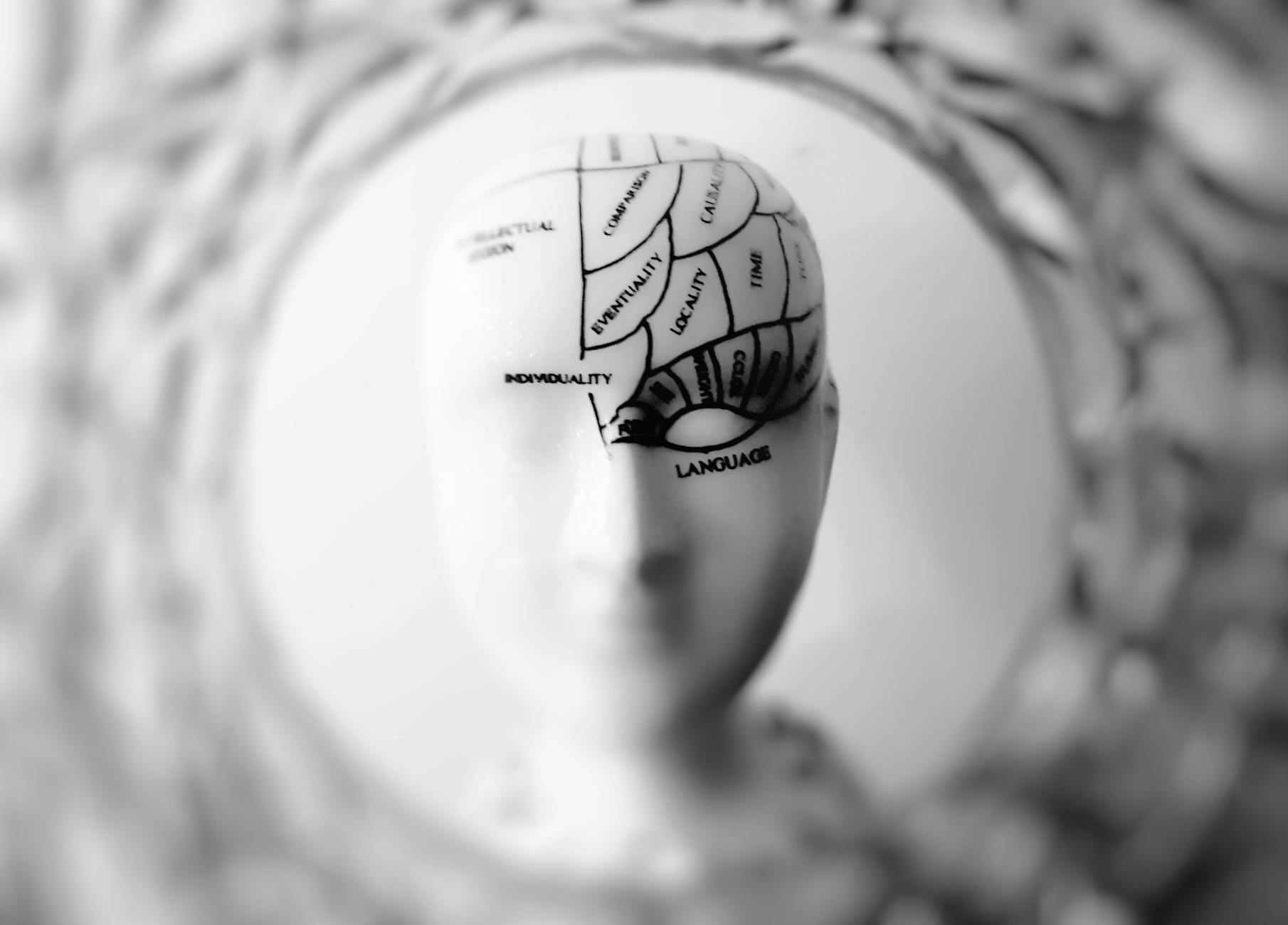
Ever feel like Japanese vocabulary goes in one ear and out the other? 😤 You’re not imagining it! There’s actual brain science behind why some words stick instantly while others vanish despite hours of study.
At NihongoKnow.com, we’ve helped Vancouver learners and students across Canada master Japanese by applying cutting-edge neuroscience research to language learning. The results? Students report dramatically improved retention and faster progress when they align their study methods with how their brain actually works.
Ready to discover why your brain “forgets” Japanese and how to make it stick permanently? Let’s dive into the fascinating world of neurolinguistics! 🚀
Quick View 📋
Reading Time: 8 minutes
Best For: Japanese learners wanting to optimize their study methods
Key Takeaway: Your brain has built-in mechanisms for language learning – work with them, not against them
Science-Backed Result: Up to 300% better retention using neuroscience-based techniques
- Quick View 📋
- Your Brain: The Ultimate Language Learning Machine 🤖
- The Spaced Repetition Revolution 🔄
- Emotional Memory: Your Secret Learning Weapon 💝
- Active vs. Passive Learning: The Retrieval Practice Revolution 🎯
- Sleep: Your Brain's Secret Study Partner 😴
- Multisensory Learning: Engaging Your Whole Brain 🌈
- The Neuroscience of Motivation and Language Learning 🔥
- Advanced Neuroscience Techniques for Japanese Mastery 🎓
- Common Neuroscience Myths About Language Learning 🚫
- Your Neuroscience-Based Japanese Study Plan 📅
Your Brain: The Ultimate Language Learning Machine 🤖
The Neuroplasticity Revolution
Your brain isn’t fixed – it’s constantly rewiring itself based on what you practice. This phenomenon, called neuroplasticity, is why adults can absolutely master new languages (despite what you might have heard about “critical periods”).
What Happens When You Learn Japanese:
- New neural pathways form for Japanese sounds, grammar, and vocabulary
- Existing English pathways get “competition” from Japanese structures
- Your brain literally grows new connections with consistent practice
- Gray matter increases in language processing areas
Amazing fact: Brain scans show that bilingual people have denser gray matter in areas responsible for executive control and attention!
The Three-Stage Memory Highway 🛤️
Understanding your brain’s memory system is like getting a roadmap for effective learning:
Stage 1: Encoding (Information Input) 📥
- What happens: New Japanese information enters through your senses
- Duration: Milliseconds to seconds
- Capacity: Virtually unlimited
- The catch: Most information gets discarded immediately without attention
Example: Hearing “おはよう” (ohayou) for the first time – your brain processes the sounds but hasn’t decided if it’s important yet.
Stage 2: Storage (Temporary vs. Permanent) 💾
- Short-term memory: Holds 7±2 items for 15-30 seconds
- Working memory: Actively processes information (like mental workspace)
- Long-term memory: Unlimited capacity, potentially permanent storage
- The bottleneck: Only information that gets rehearsed or seems important makes it to long-term storage
This is why you can repeat a Japanese sentence immediately after hearing it, but forget it completely an hour later!
Stage 3: Retrieval (Accessing Stored Info) 🔍
- Recognition: Easier – “I’ve seen this kanji before”
- Recall: Harder – “What does this kanji mean?”
- Active use: Hardest – “How do I say ‘I’m confused’ in Japanese?”
- The key: Regular retrieval practice strengthens memory pathways
Why Traditional Study Methods Fail Your Brain 🚫
Common Mistakes That Fight Against Neuroscience:
- Passive consumption overload: Reading vocabulary lists without active engagement
- Massed practice: Cramming before tests instead of distributed learning
- Context-free memorization: Learning words in isolation rather than meaningful sentences
- Single-modality input: Only reading or only listening instead of multisensory engagement
- Inconsistent sleep: Studying late and skipping the consolidation phase
The Spaced Repetition Revolution 🔄
The Ebbinghaus Forgetting Curve: Your Memory’s Natural Enemy 📉
German psychologist Hermann Ebbinghaus discovered that we forget information predictably:
- 20 minutes: Retain 58% of new information
- 1 hour: Retain 44%
- 1 day: Retain 33%
- 6 days: Retain 25%
- 31 days: Retain 21%
But here’s the game-changer: Each time you review before forgetting completely, you reset and extend the forgetting curve!
The Science Behind Spaced Repetition Systems (SRS) 🎯
How It Works:
- Initial learning: Strong neural firing patterns form
- Forgetting begins: Connections weaken without use
- Timed review: Just before forgetting, you review the material
- Strengthened pathways: Neural connections become stronger than before
- Extended retention: Next forgetting curve is much longer
Real Example with Japanese:
- Day 1: Learn 食べる (taberu – to eat)
- Day 3: Review before forgetting (neural pathway strengthens)
- Day 7: Review again (even stronger connections)
- Day 16: Review (pathway becomes semi-permanent)
- Day 35: Final review (long-term retention achieved)
Why Anki and Similar Apps Work So Well 📱
Popular SRS Tools for Japanese:
- Anki: Customizable, algorithm-based intervals
- WaniKani: Gamified kanji and vocabulary learning
- Bunpro: Grammar-focused spaced repetition
- Memrise: Video-enhanced vocabulary practice
The secret: These apps use algorithms based on actual forgetting curve research to time your reviews perfectly!
Emotional Memory: Your Secret Learning Weapon 💝
The Amygdala-Hippocampus Connection
Your brain has a built-in prioritization system: emotionally significant events get VIP treatment in memory formation.
How It Works:
- Amygdala (emotion center) tags important experiences
- Hippocampus (memory center) receives the “priority” signal
- Enhanced encoding occurs for emotional content
- Stronger retrieval pathways form automatically
Real-World Application for Japanese Learning 🌟
Instead of boring lists, create emotional connections:
❌ Boring: 犬 (inu) = dog
✅ Emotional: 犬 (inu) = Remember that adorable Shiba Inu you saw in Shibuya!
❌ Flat: 恥ずかしい (hazukashii) = embarrassing
✅ Personal: 恥ずかしい (hazukashii) = How you felt when you accidentally said “I love you” instead of “thank you” at the restaurant!
Vancouver-Specific Tip: Connect Japanese words to local experiences:
- 雨 (ame – rain): Think of Vancouver’s famous rainfall
- 山 (yama – mountain): Picture the North Shore mountains
- コーヒー (koohii – coffee): Remember your favorite Vancouver coffee shop
Humor and Language Learning 😂
Why funny mistakes stick forever:
- Laughter releases dopamine (reward chemical)
- Surprise enhances attention and encoding
- Social sharing reinforces memory through repetition
- Embarrassment creates strong emotional tags
That’s why you’ll never forget the time you confused “年” (year) with “猫” (cat) and told someone you were 25 cats old!
Active vs. Passive Learning: The Retrieval Practice Revolution 🎯
The Testing Effect (Retrieval Practice)
Groundbreaking research finding: Testing yourself is more effective than re-studying for long-term retention.
Why Retrieval Works:
- Effortful processing: Your brain works harder to find information
- Pathway strengthening: Each successful retrieval reinforces neural connections
- Metacognition: You become aware of what you actually know vs. what feels familiar
- Transfer enhancement: Retrieved information becomes more flexible and usable
Practical Retrieval Strategies for Japanese 📝
Level 1: Recognition Practice
- Flashcards: See kanji, recall meaning and pronunciation
- Multiple choice: Choose correct translation from options
- Matching exercises: Connect words with definitions
Level 2: Recall Practice
- Blank-filling: Complete sentences with missing words
- Translation: Convert English phrases to Japanese
- Conjugation drills: Change verb forms without prompts
Level 3: Production Practice
- Free writing: Create original sentences using new vocabulary
- Speaking exercises: Explain concepts in Japanese
- Conversation practice: Use new words in real dialogue
The Generation Effect: Creating Your Own Content 🎨
Research shows: Information you generate yourself is remembered 2-3x better than information you simply read.
Japanese Application: Instead of memorizing example sentences, create your own:
- New word: 頑張る (ganbaru – to try hard)
- Your sentence: “私は日本語を頑張って勉強しています” (I’m trying hard to study Japanese)
- Why it works: Personal relevance + active creation = super-strong memory
Sleep: Your Brain’s Secret Study Partner 😴
The Neuroscience of Sleep and Memory
What happens during sleep:
- Slow-wave sleep (deep sleep): Information transfers from hippocampus to cortex
- REM sleep: Connections between new and existing knowledge strengthen
- Memory consolidation: Short-term memories become long-term ones
- Interference reduction: New memories don’t overwrite each other
Critical finding: 12 hours with sleep beats 12 hours without sleep for retention every time.
Sleep Optimization for Japanese Learners 💤
The Science-Based Sleep Protocol:
- Study timing: End Japanese study 1-2 hours before bed
- Sleep duration: Aim for 7-9 hours for optimal consolidation
- Consistency: Same sleep/wake times strengthen natural rhythms
- Environment: Cool (65-68°F), dark, quiet room enhances deep sleep
- Pre-sleep review: Light review (no new material) 30 minutes before bed
Vancouver Tip: Use the long winter nights to your advantage! Earlier darkness naturally promotes better sleep schedules during intense study periods.
The Power Nap Protocol 😪
Research-backed napping for language learners:
- Duration: 10-20 minutes (avoids sleep inertia)
- Timing: 1-3 PM (natural circadian dip)
- Purpose: Clears working memory, refreshes attention
- Benefit: 34% improvement in learning capacity post-nap
Multisensory Learning: Engaging Your Whole Brain 🌈
The Neural Network Approach
Single-sense learning: Uses limited brain regions Multi-sensory learning: Activates multiple brain areas simultaneously, creating redundant pathways for the same information.
The Five Senses Applied to Japanese 👁️👂👃👄✋
1. Visual Learning (Occipital Lobe) 👁️
- Kanji visualization: Draw characters in the air or on paper
- Color coding: Different colors for different grammar types
- Mind maps: Visual connections between related vocabulary
- Anime/drama: Visual context for language use
2. Auditory Learning (Temporal Lobe) 👂
- Pronunciation practice: Repeat words aloud
- Music and rhythm: Japanese songs and poetry
- Podcast immersion: Natural speech patterns
- Sound associations: Connect similar-sounding words
3. Kinesthetic Learning (Motor Cortex) ✋
- Writing practice: Physical muscle memory for kanji
- Gesture integration: Hand movements with vocabulary
- Role-playing: Physical movement during conversation practice
- Tactile flashcards: Different textures for different word types
4. Olfactory/Gustatory Learning (Rare but Powerful) 👃👄
- Food associations: Learn cooking vocabulary while actually cooking
- Cultural experiences: Smell of incense while studying temple vocabulary
- Tea ceremony: Taste experiences with cultural language
The Vancouver Advantage: Environmental Immersion 🏔️
Create Japanese sensory experiences locally:
- Steveston: Visit Japanese cultural sites while practicing location vocabulary
- Japanese restaurants: Order in Japanese, engage multiple senses
- Cherry blossom season: Learn nature vocabulary during beautiful spring walks
- Cultural festivals: Immerse yourself in authentic Japanese sights and sounds
The Neuroscience of Motivation and Language Learning 🔥
Dopamine: Your Brain’s Reward System
The Learning Loop:
- Anticipation: Expecting to learn something new releases dopamine
- Achievement: Successfully using new Japanese triggers reward response
- Reinforcement: Positive feelings motivate continued learning
- Habit formation: Regular dopamine hits create learning addiction
Micro-Rewards for Macro-Success 🎁
Design your own reward system:
- Daily goals: “Learn 5 new kanji” = Small celebration
- Weekly milestones: “Complete textbook chapter” = Favorite Japanese snack
- Monthly achievements: “Pass practice JLPT” = Japanese cultural event
- Quarterly victories: “Hold 10-minute conversation” = Plan Japan trip research
The Progress Visualization Technique 📈
Make abstract progress concrete:
- Vocabulary counter: Track total words learned (visual progress)
- Level badges: Celebrate JLPT level preparations
- Before/after recordings: Monthly speaking comparisons
- Learning streaks: Consecutive days of study (gamification)
Advanced Neuroscience Techniques for Japanese Mastery 🎓
1. Interleaving: Mixing Practice Types 🌀
Instead of: Studying all verbs, then all adjectives, then all particles Try: Mixing different grammar types within each session
Why it works: Forces your brain to actively distinguish between similar concepts, leading to deeper understanding.
2. The Desirable Difficulties Principle 💪
Counterintuitive finding: Making learning slightly harder actually improves retention.
Applications for Japanese:
- Vary practice conditions: Sometimes quiet, sometimes with background noise
- Mix easy and hard: Don’t just review what you know well
- Delayed feedback: Wait before checking answers (forces deeper processing)
- Production before recognition: Try to recall before looking at the answer
3. Elaborative Interrogation: The Power of “Why?” 🤔
Technique: Ask yourself explanatory questions about what you’re learning.
Japanese Examples:
- Why does this particle work here?
- How is this similar to/different from English?
- What cultural context explains this expression?
- When would I naturally use this phrase?
4. Dual Coding Theory: Words + Images 🖼️+📝
Research: Information stored both verbally and visually is recalled much better.
Practice: For every new Japanese word, create both:
- Verbal association: Sound connections, similar English words
- Visual association: Mental image, drawn picture, or real photo
Common Neuroscience Myths About Language Learning 🚫
Myth 1: “I’m Too Old to Learn Languages”
Reality: Adult brains show excellent neuroplasticity. You may learn differently than children, but not worse.
Myth 2: “I’m Not a Language Person”
Reality: There’s no “language gene.” Success comes from effective practice methods, not innate talent.
Myth 3: “Immersion is the Only Way”
Reality: Structured input + active practice can be more efficient than passive immersion.
Myth 4: “You Must Think in the Target Language”
Reality: Translation and comparison actually help in early stages. Don’t avoid your native language!
Your Neuroscience-Based Japanese Study Plan 📅
Daily Protocol (30-45 minutes)
Morning (15 minutes – Peak Cognitive Function):
- SRS review (Anki/WaniKani) – leverages spaced repetition
- New material introduction – takes advantage of fresh attention
Afternoon (15 minutes – Active Practice):
- Retrieval practice – self-testing without looking
- Production exercises – writing or speaking
Evening (15 minutes – Consolidation):
- Light review of day’s material
- Multisensory reinforcement (audio + visual)
Pre-sleep (5 minutes):
- Brief, relaxed review of challenging items
- Positive visualization of using Japanese
Weekly Protocol
Monday-Friday: Daily protocol + focused skill development Saturday: Longer immersion session (anime, podcasts, conversation) Sunday: Week review + planning, lighter “fun” Japanese activities
Monthly Assessment
Track these neuroscience-backed metrics:
- Retention rates: What percentage of last month’s words do you remember?
- Retrieval speed: How quickly can you recall common vocabulary?
- Production fluency: Record yourself speaking – notice improvements
- Confidence levels: Rate your comfort with different Japanese situations
Ready to transform your Japanese learning with brain science? NihongoKnow.com applies cutting-edge neuroscience research to create personalized lessons that work with your brain’s natural learning systems. Join students across Vancouver and Canada who are experiencing faster progress and better retention through science-based Japanese instruction. Start your cognitive-optimized learning journey today! 🧠🎌


