
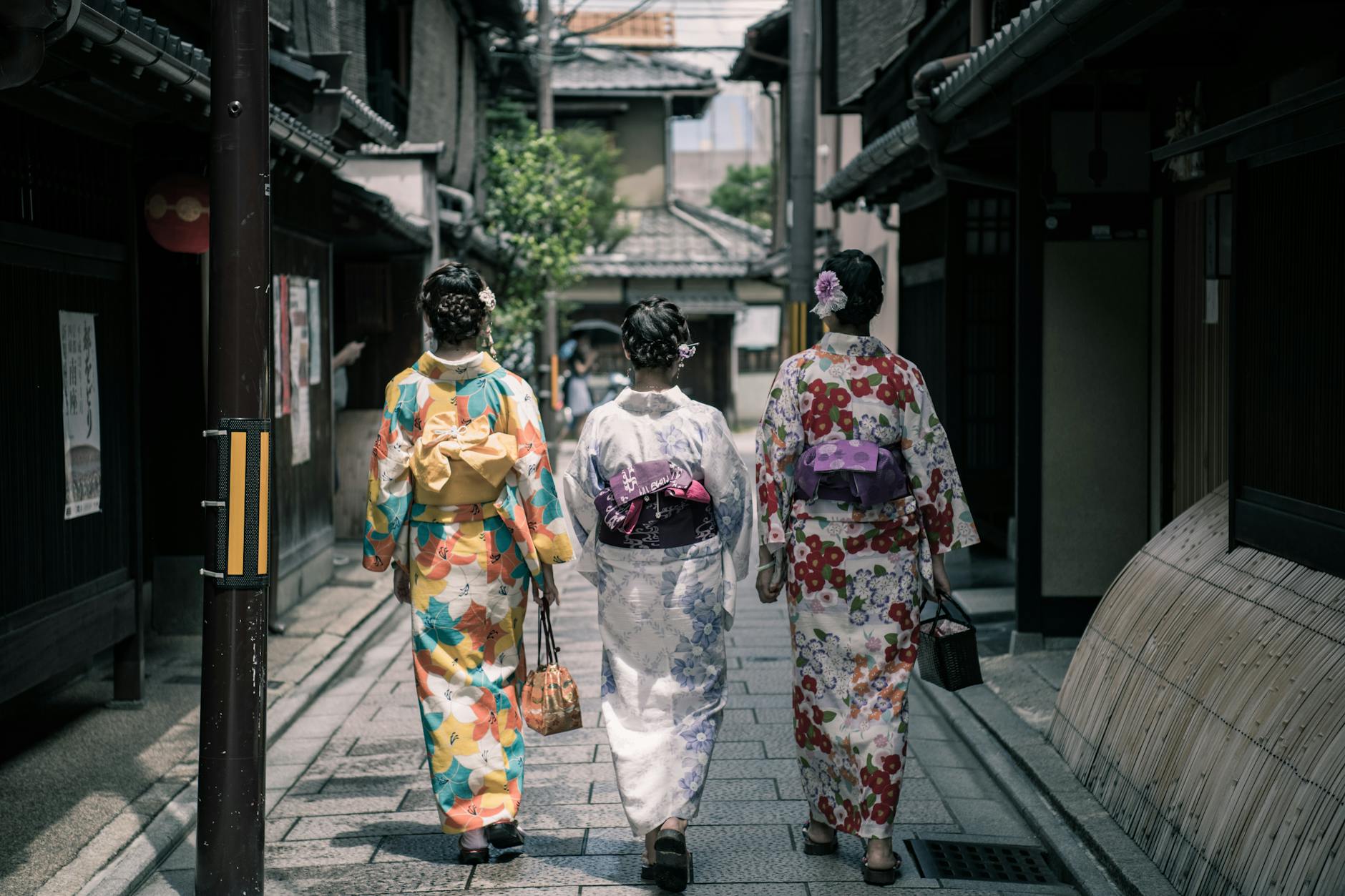
Learning Japanese counters doesn’t have to be confusing! Discover the secrets to using 人, 枚, and 本 correctly with our beginner-friendly guide.
What Are Japanese Counters and Why Do They Matter?
If you’ve ever tried counting in Japanese, you’ve probably encountered one of the language’s most unique features: counters (助数詞 – じょすうし). Unlike English, where we simply say “two apples” or “five books,” Japanese requires specific counter words depending on what you’re counting.
Think of it this way: in English, we do use some counters like “two sheets of paper” or “three heads of cattle,” but Japanese takes this concept much further. Every object category has its own counter, making it essential for fluent communication.
Don’t worry though – once you understand the logic behind counters, they become much easier to use! Today, we’ll focus on three of the most important counters that you’ll use every single day.
- What Are Japanese Counters and Why Do They Matter?
- 1. 👨👩👧👦 人 (にん) – Counting People Made Simple
- 2. 📄 枚 (まい) – For Everything Flat
- 3. 🥢 本 (ほん) – For Long, Cylindrical Objects
- 🧠 Proven Memory Techniques for Japanese Counters
- 🎧 Listening and Speaking Practice Tips
- Common Mistakes to Avoid
- Quick Reference Chart
- Test Your Knowledge: Practice Exercises
- Beyond the Basics: What's Next?
- Your Japanese Counter Journey Starts Now!
The Big Three: Essential Japanese Counters Every Beginner Needs
1. 👨👩👧👦 人 (にん) – Counting People Made Simple
When to use 人 (にん): For counting people of any age, profession, or relationship to you.
The Basics:
- 1 person: ひとり (hitori) – irregular
- 2 people: ふたり (futari) – irregular
- 3+ people: [number] + にん
| Number | Reading Japanese | Example | English Translation |
| 1 | ひとり | ひとりの学生 | one student |
| 2 | ふたり | ふたりの友だち | two friends |
| 3 | さんにん | さんにんの先生 | three teachers |
| 4 | よにん | よにんの子ども | four children |
| 5 | ごにん | ごにんの家族 | five family members |
🧠 Memory Trick:
Remember the irregulars with this phrase: “Hitori lives alone, Futari are a couple, from Sannin it’s regular!”
Real-Life Examples:
- 家族は何人ですか?(かぞくはなんにんですか?) – “How many people are in your family?”
- クラスに学生が二十人います。- “There are 20 students in the class.”
2. 📄 枚 (まい) – For Everything Flat
When to use 枚 (まい): For thin, flat objects that you can stack or layer.
Perfect for counting:
- Paper and documents
- Tickets and cards
- Clothing items (shirts, pants, jackets)
- Plates and dishes
- CDs, DVDs, and photos
- Pizza slices
- Leaves
| Number | Reading Japanese | Example | English Translation |
| 1 | いちまい | 一枚の紙 | one sheet of paper |
| 2 | にまい | 二枚のチケット | two tickets |
| 3 | さんまい | 三枚の写真 | three photos |
| 4 | よんまい | 四枚のTシャツ | four T-shirts |
| 10 | じゅうまい | 十枚のお皿 | ten plates |
✨ Great News:
枚 (まい) has no irregular readings! It’s completely regular and predictable, making it one of the easiest counters to master.
Practical Usage:
- シャツを三枚買いました。- “I bought three shirts.”
- 写真を何枚撮りましたか?- “How many photos did you take?”
3. 🥢 本 (ほん) – For Long, Cylindrical Objects
When to use 本 (ほん): For objects that are long and thin, regardless of material.
Common items counted with 本:
- Bottles and cans
- Pens, pencils, and markers
- Chopsticks (as pairs)
- Umbrellas
- Trees and flowers
- Cigarettes
- Movies and videos
- Phone calls
| Number | Reading Japanese | Example | English Translation |
| 1 | いっぽん | いっぽんのペン | one pen |
| 2 | にほん | にほんのえんぴつ | two pencils |
| 3 | さんぼん | さんぼんのビール | three beers |
| 4 | よんほん | よんほんの木 | four trees |
| 6 | ろっぽん | ろっぽんのワイン | six bottles of wine |
| 8 | はっぽん | はっぽんの傘 | eight umbrellas |
| 10 | じゅっぽん | じゅっぽんの映画 | ten movies |
⚠️ Sound Changes to Watch:
Unlike 枚, the counter 本 has several sound changes due to Japanese phonetic rules:
- 1, 6, 8, 10 change to ぽん
- 3 changes to ぼん
- 4, 7, 9 sometimes change to ほん
🎯 Memory Trick:
“People pick perfect pens” – Remember that 1, 6, 8, 10 use ぽん!
🧠 Proven Memory Techniques for Japanese Counters
Visual Association Method
Connect each counter with a clear mental image:
- 人 (にん) → Picture people standing in a line
- 枚 (まい) → Imagine stacking flat pancakes
- 本 (ほん) → Visualize long chopsticks or bottles
The Shape Rule
Think about the physical shape of what you’re counting:
- Round or human-shaped? → 人
- Flat and stackable? → 枚
- Long and thin? → 本
Daily Practice Routine
Make counting a daily habit:
- Morning routine: Count your clothes as you get dressed
- At work/school: Count pens, papers, and people around you
- Meals: Count plates, chopsticks, and drinks
- Evening: Count photos on your phone or books on your shelf
🎧 Listening and Speaking Practice Tips
Master the Rhythm
Japanese counters have a natural rhythm. Practice saying them in sequence:
- 枚: いちまい、にまい、さんまい、よんまい…
- 本: いっぽん、にほん、さんぼん、よんほん…
- 人: ひとり、ふたり、さんにん、よにん…
Speed Building Exercise
Start slowly, then gradually increase your speed. Native speakers often say counters very quickly in natural conversation.
Real Conversation Practice
Try these common questions and answers:
- Q: 兄弟は何人いますか? (How many siblings do you have?)
- A: 二人います。(I have two.)
- Q: 写真を何枚撮りましたか? (How many photos did you take?)
- A: 十枚ぐらい撮りました。(I took about ten.)
Common Mistakes to Avoid
❌ Don’t Do This:
- Using the wrong counter: ✗ 三人のペン (three people pens)
- Forgetting irregular readings: ✗ いちにん instead of ひとり
- Ignoring sound changes: ✗ いちほん instead of いっぽん
✅ Do This Instead:
- Match the counter to the object shape
- Memorize the irregulars separately
- Practice sound changes until they’re automatic
Quick Reference Chart
| Object | TypeCounter | 12345 |
| People | 人(にん) | ひとり ふたり さんにん よにん ごにん |
| Flat Objects | 枚(まい) | いちまい にまい さんまい よんまい ごまい |
| Long Objects | 本(ほん) | いっぽん にほん さんぼん よんほん ごほん |
Test Your Knowledge: Practice Exercises
Try counting these items in Japanese:
- 3 students in your class → ?
- 5 sheets of paper → ?
- 2 bottles of water → ?
- 1 movie ticket → ?
- 4 pencils → ?
Answers: 1) さんにんの学生 2) ごまいの紙 3) にほんの水 4) いちまいのチケット 5) よんほんのえんぴつ
Beyond the Basics: What’s Next?
Once you’ve mastered these three essential counters, you’ll be ready to tackle others like:
- 匹 (ひき) for small animals
- 台 (だい) for machines and vehicles
- 個 (こ) for small objects
- 冊 (さつ) for books
Your Japanese Counter Journey Starts Now!
Learning Japanese counters might seem challenging at first, but with consistent practice and the right techniques, you’ll be counting like a native speaker in no time. Start with these three essential counters, practice daily, and watch your Japanese fluency grow!
Remember: every expert was once a beginner. The key is consistent practice and patience with yourself as you learn.
Ready to master more Japanese grammar points? Subscribe to our newsletter for weekly tips, practice exercises, and cultural insights that make learning Japanese both effective and enjoyable!
What’s your biggest challenge with Japanese counters? Share your questions in the comments below, and let’s learn together!


