
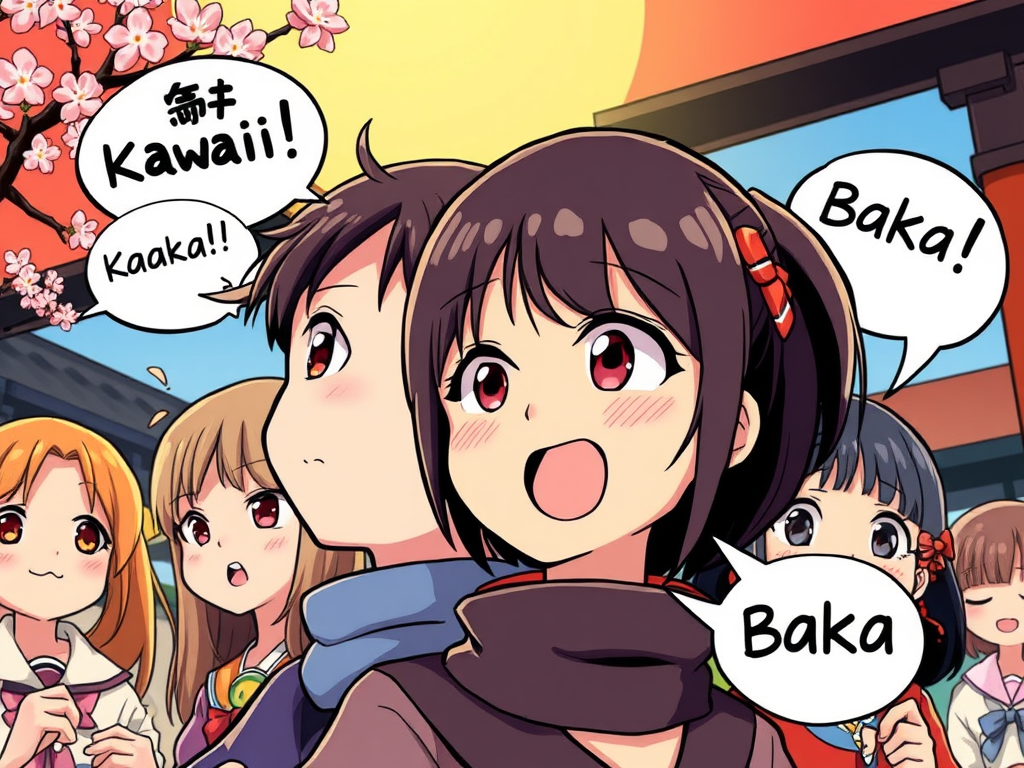
Are you tired of watching your favorite anime with subtitles and still feeling like you’re missing the real emotional punch behind those dramatic exclamations? You’re not alone! Here in Vancouver, countless anime fans are discovering that learning authentic Japanese slang is the secret to truly connecting with their favorite shows – and the language itself.
If you’re an anime enthusiast in Vancouver, Toronto, or anywhere across Canada and the US, you’ve definitely heard expressions like 「やばい!」 (Yabai!) or 「マジで?」 (Maji de?) echoing through your favorite series. But what do they actually mean, and more importantly, when and how can you use them yourself without sounding awkward?
As Vancouver’s premier Japanese language learning resource, NihongoKnow.com is here to bridge that gap between formal textbook Japanese and the vibrant, emotional, and genuinely used language you hear in anime. Whether you’re a complete beginner in Richmond, an intermediate learner in Burnaby, or an advanced student in downtown Vancouver, understanding these authentic slang expressions will revolutionize your anime experience and boost your real-world communication skills.
Quick View: 10 Essential Anime Slang Words
Here’s a quick look at the top 10 Japanese slang words you’ll frequently encounter in anime, along with their core meanings:
- やばい (Yabai): “Oh no!”, “Awesome!”, “Insane!”, “Crazy!” (highly versatile)
- うざい (Uzai): “Annoying”, “Irritating”, “Obnoxious”
- マジで? (Maji de?): “Really?”, “Seriously?”, “For real?”
- キモい (Kimoi): “Gross”, “Creepy”, “Disgusting”
- ダサい (Dasai): “Lame”, “Uncool”, “Tacky”
- ムカつく (Mukatsuku): “So irritating I’m getting mad”, “Pissing me off”
- ウケる (Ukeru): “That’s hilarious!”, “LOL”, “So funny”
- ガチ (Gachi): “For real”, “Seriously”, “Genuinely”
- チョー/超 (Chō): “Super”, “Very”, “Extremely”
- イケメン (Ikemen): “Hot guy”, “Handsome man”, “Good-looking dude”
- Quick View: 10 Essential Anime Slang Words
- Why Mastering Anime Slang Matters for Japanese Learners in Canada
- ✨1. やばい (Yabai) – The Ultimate Emotional Amplifier
- 😑2. うざい (Uzai) – When Annoyance Hits Hard
- 😲3. マジで? (Maji de?) – Your Go-To Reaction for Anything!
- 🥶4. キモい (Kimoi) – The Universally Understood "Gross"
- 😏5. ダサい (Dasai) – Spotting the "Uncool" Factor
- 🤬6. ムカつく (Mukatsuku) – The Sound of Laughter in the Digital Age
- 🤣7. ウケる (Ukeru) – The Sound of Laughter in the Digital Age
- 😯8. ガチ (Gachi) – Keeping It 100% Real
- 😍9. チョー/超 (Chō) – The Super, Ultra, Mega Intensifier
- 😎10. イケメン (Ikemen) – Describing the Perfect Guy
- 🚀 Should You Actually Use These Slang Words? (NihongoKnow's Guide for Canadian Learners)
- Ready to Master Japanese Slang and Beyond?
Why Mastering Anime Slang Matters for Japanese Learners in Canada
Learning Japanese through anime isn’t just fun—it’s incredibly effective! Unlike rigid textbooks, anime exposes you to:
- Natural speech patterns that Japanese people actually use in everyday life.
- Raw emotional expressions that convey feelings textbooks simply can’t capture.
- Rich cultural context that makes language learning meaningful and memorable.
- Real-world applications for when you visit Japan, connect with Japanese friends, or even live in a diverse city like Vancouver.
For Japanese language students across Vancouver, from UBC to SFU, mastering these expressions means you’ll finally understand the subtleties that make anime so compelling. But more than that, it means taking a huge leap towards sounding more like a native speaker yourself.
✨1. やばい (Yabai) – The Ultimate Emotional Amplifier
Meaning: “Oh no!”, “Awesome!”, “Insane!”, “Crazy!”, “Seriously bad/good!” Pronunciation: YAH-bah-ee
This is arguably the most versatile word in modern Japanese slang, and a personal favorite of NihongoKnow instructors! Originally meaning “dangerous” or “risky,” やばい (yabai) has evolved into an expression that can convey almost any strong emotion, from ecstatic joy to utter dread. Vancouver anime fans hear this constantly because it perfectly captures those intense, high-stakes anime moments.
How to Use It:
- Positive: When something is amazingly good, impressive, or exciting.
- Negative: When you’re in trouble, shocked, or facing something bad.
- Neutral/Intense: Simply to express that something is extreme or intense, without a clear positive or negative connotation.
Real Examples:
- やばい!このラーメン、うますぎる! (Yabai! Kono ramen, uma-sugiru!) – “Whoa! This ramen is insanely delicious!” (Positive)
- やばい、遅刻する! (Yabai, chikoku suru!) – “Oh no, I’m going to be late!” (Negative)
- やばい試験だった (Yabai shiken datta) – “That was a brutal exam.” (Neutral/Intense)
Anime Context: You’ll hear this in every genre, from action-packed shonen to romantic comedies. It’s the perfect word for those dramatic reaction shots!
😑2. うざい (Uzai) – When Annoyance Hits Hard
Meaning: “Annoying,” “Irritating,” “Obnoxious” Pronunciation: oo-ZAH-ee
Derived from the longer うざったい (uzattai), this shortened form is pure slang gold. It’s what Japanese teenagers (and their animated counterparts!) say when someone or something is really getting under their skin. It’s often used when you’re fed up or exasperated.
Usage Tips:
- Use with close friends or in very casual settings only.
- It can sound quite rude or aggressive in formal situations.
- Perfect for describing that one anime character everyone finds perpetually irritating!
Real Examples:
- あいつ、マジでうざいな (Aitsu, maji de uzai na) – “That guy is seriously annoying.”
- うざい広告ばっかり (Uzai kōkoku bakkari) – “Nothing but annoying ads.”
- うざっ! (Uza!) – A super casual, exasperated “Ugh!” or “Annoying!”
Cultural Note: This word gained significant popularity in the 1990s and remains a staple of youth language. You’ll especially hear it in school-based anime and slice-of-life series!
😲3. マジで? (Maji de?) – Your Go-To Reaction for Anything!
MeMeaning: “Really?”, “Seriously?”, “For real?” Pronunciation: MAH-jee-deh
This is your ultimate go-to response when you can’t quite believe what you’re hearing, whether in surprise, shock, or just seeking confirmation. マジで? (Maji de?) has got you covered, and it’s a phrase our NihongoKnow students pick up quickly for natural conversation!
Variations:
- マジ? (Maji?) – Even more casual, dropping the “de.”
- マジか? (Maji ka?) – A slightly more masculine or incredulous version.
- マジかよ! (Maji ka yo!) – “Are you kidding me?!” (often with exasperation).
Real Examples:
- マジで?信じられない! (Maji de? Shinjirarenai!) – “Seriously? I can’t believe it!”
- マジで勉強してない (Maji de benkyō shite nai) – “I seriously haven’t studied.” (Emphasizing truth)
- マジでうまい! (Maji de umai!) – “This is seriously good!” (Emphasizing intensity)
Perfect For: Those moments when anime characters drop major plot twists, make shocking revelations, or simply react with wide-eyed disbelief!
🥶4. キモい (Kimoi) – The Universally Understood “Gross”
Meaning: “Gross,” “Creepy,” “Disgusting,” “Ew!” Pronunciation: kee-MO-ee
Short for 気持ち悪い (kimochi warui – “unpleasant/feeling bad”), this slang perfectly captures that “ew” feeling. It’s used everywhere in anime, especially in comedy scenes or when characters encounter something truly unpleasant or creepy. It’s highly versatile for expressing disgust.
Usage Levels:
- キモッ! (Kimo!) – Super casual, like an immediate “Eww!”
- キモい (Kimoi) – The standard slang form.
- キモすぎる (Kimo-sugiru) – “Too gross/creepy!” (adding emphasis with ~すぎる)
Real Examples:
- ゴキブリ!?キモッ! (Gokiburi!? Kimo!) – “A cockroach?! Gross!”
- キモい男だな (Kimoi otoko da na) – “What a creepy guy.”
- その話、キモすぎる (Sono hanashi, kimo-sugiru) – “That story is way too gross.”
Anime Alert: You’ll hear this constantly in horror anime, comedy series, and whenever characters react to something disgusting or a social faux pas!
😏5. ダサい (Dasai) – Spotting the “Uncool” Factor
Meaning: “Lame,” “Uncool,” “Tacky,” “Out of style” Pronunciation: dah-SAH-ee
Originally referring to unfashionable clothing from rural areas, ダサい (dasai) now describes anything that’s just not cool or stylish. From fashion choices to behavior to ideas, this word covers all kinds of “lameness” or lack of flair. Our Vancouver students often use this for lighthearted teasing!
What Makes Something ダサい?
- Outdated or unstylish fashion choices.
- Awkward or uncool behavior.
- Generally bad taste.
- Trying too hard to be cool, but failing.
Real Examples:
- その服、ちょっとダサいよ (Sono fuku, chotto dasai yo) – “That outfit is kinda lame.”
- ダサい髪型 (Dasai kamigata) – “A lame hairstyle.”
- ダサすぎて笑える (Dasa-sugite waraeru) – “So lame it’s funny.”
Anime Context: Perfect for those makeover episodes, fashion show scenes, or when characters are being sarcastic style critics!
🤬6. ムカつく (Mukatsuku) – The Sound of Laughter in the Digital Age
Meaning: “SMeaning: “So irritating I’m getting mad,” “Pissing me off,” “Infuriating” Pronunciation: moo-kah-TSOO-koo
This is うざい (uzai)’s angrier, more intense older sibling. While うざい means “annoying,” ムカつく (mukatsuku) means you’re actually getting mad about it. It’s that visceral feeling when irritation boils over into genuine anger, making your stomach churn.
Intensity Scale:
- うざい (uzai) = annoying (mild irritation)
- ムカつく (mukatsuku) = makes me angry/frustrated (strong irritation)
- 腹が立つ (hara ga tatsu) = a more formal “makes me angry”
Real Examples:
- ムカつくな、あいつ (Mukatsuku na, aitsu) – “He really pisses me off.”
- ムカつく! (Mukatsuku!) – “That’s so frustrating/infuriating!”
- 本当にムカつく (Hontō ni mukatsuku) – “That truly makes me mad.”
Perfect For: Those intense anime moments when characters are genuinely angry, not just mildly annoyed, and you see their veins popping!!
🤣7. ウケる (Ukeru) – The Sound of Laughter in the Digital Age
MeMeaning: “That’s hilarious!”, “LOL,” “So funny,” “I’m dying!” Pronunciation: oo-KEH-roo
Originally meaning “to receive” or “to accept,” ウケる (ukeru) in slang means something is so funny it “hits” you. It’s like the Japanese equivalent of “I’m dying laughing!” or “That’s hilarious!” It’s incredibly popular in online conversations and among younger generations.
Related Expressions:
- 超ウケる (chō ukeru) – “Super funny!”
- ウケるんですけど (ukeru n desu kedo) – “That’s so funny though” (often used when something is unexpectedly funny).
- ウケた (uketa) – “That was funny” (past tense, often used when something just happened and you found it funny).
Real Examples:
- それウケる! (Sore ukeru!) – “That’s so funny!”
- ウケるわ〜 (Ukeru wa~) – “That’s hilarious~” (often used by females, implying a softer, more drawn-out laugh).
- マジでウケる (Maji de ukeru) – “That’s seriously funny.”
Digital Age: This word exploded with internet culture and social media, making it perfect for modern anime references and understanding online interactions!aking it perfect for modern anime references!
😯8. ガチ (Gachi) – Keeping It 100% Real
Meaning: “For real,” “Seriously,” “Genuinely,” “Legit” Pronunciation: GAH-chee
Short for ガチンコ (gachinko), meaning “head-to-head” or “serious competition,” ガチ (gachi) emphasizes that something is completely genuine, serious, or intense. No jokes, no exaggeration—just the real deal. It’s the perfect way to add sincere emphasis.
Usage Examples:
- Emphasizing truth: ガチで好き (gachi de suki) – “I seriously like you.”
- Confirming intensity: ガチで強い (gachi de tsuyoi) – “Genuinely strong.”
- Adding emphasis: ガチやばい (gachi yabai) – “Seriously intense.”
Real Examples:
- あの人、ガチで強い (Ano hito, gachi de tsuyoi) – “That person is seriously strong.”
- ガチで? (Gachi de?) – “For real?” (as a question)
- ガチでうまい (Gachi de umai) – “Seriously delicious.”
Anime Usage: Perfect for those moments when characters need to emphasize they’re being completely serious, facing a real challenge, or expressing genuine emotions!
😍9. チョー/超 (Chō) – The Super, Ultra, Mega Intensifier
MeMeaning: “Super,” “Very,” “Extremely,” “Ultra” Pronunciation: CHOH
This intensifier can make anything more extreme! Originally written as 超 (meaning “super” or “ultra”), it’s now often written in katakana as チョー to indicate its slang usage. It’s a quick and punchy way to add emphasis.
Flexibility Champions:
- チョー楽しい (chō tanoshii) – “Super fun.”
- チョーかわいい (chō kawaii) – “Super cute.”
- チョーやばい (chō yabai) – “Super intense.”
Real Examples:
- チョー楽しい! (Chō tanoshii!) – “Super fun!”
- チョー疲れた (Chō tsukareta) – “Super tired.”
- チョーうまい (Chō umai!) – “Super tasty!”
Regional Note: While popular throughout Japan, this intensifier is especially associated with Tokyo youth culture—making it a perfect fit for understanding most anime settings!ughout Japan, this intensifier is especially associated with Tokyo youth culture—perfect for most anime settings!
😎10. イケメン (Ikemen) – Describing the Perfect Guy
Meaning: “Hot guy,” “Handsome man,” “Good-looking dude,” “Cool guy” Pronunciation: ee-KEH-men
A combination of いけてる (iketeru – “cool/attractive”) and メン (men – “men,” derived from English), this word describes an attractive, often well-groomed, and generally desirable man. You’ll hear this constantly in romance anime, shojo series, and whenever female characters are admiring someone!
What Makes an イケメン?
- A handsome face.
- Good fashion sense.
- A cool, often slightly aloof, personality.
- An overall attractive package (looks + vibe).
Real Examples:
- あの先輩、イケメンすぎる! (Ano senpai, ikemen-sugiru!) – “That upperclassman is way too good-looking!”
- イケメンだけど性格悪い (Ikemen da kedo seikaku warui) – “He’s handsome but has a bad personality.”
- 本当のイケメン (Hontō no ikemen) – “A real hottie” (emphasizing genuine attractiveness).
Cultural Impact: This word became so popular it spawned related terms like イケジョ (ikejo) for attractive women (though that’s less common). It truly defines a type of ideal male figure in modern Japanese culture.
🚀 Should You Actually Use These Slang Words? (NihongoKnow’s Guide for Canadian Learners)
The short answer from our NihongoKnow instructors: Absolutely, but know your audience and the situation!
These words are fantastic for sounding natural and connecting with native speakers. However, like slang in any language, they have their place.
✅ Perfect Situations to Use Them:
- Casual conversations with Japanese friends.
- Language exchange meetups in Vancouver (e.g., at a local cafe in Kitsilano).
- Informal study groups or anime discussion clubs.
- Social media interactions with Japanese speakers.
- When speaking with younger Japanese people.
❌ Avoid These Settings (When in Doubt, Don’t Use Them):
- Job interviews (unless specifically told to be casual).
- Business meetings or formal presentations.
- Academic presentations or formal writing.
- Speaking with elderly people you don’t know well or those in positions of authority (e.g., your landlord, a formal shopkeeper).
- Any situation where extreme politeness is required.
🎯 Pro Tips for Vancouver Learners from NihongoKnow:
- Start Small: Pick 2-3 favorites from this list and master their usage first. Don’t try to use all of them at once!
- Context is King: Watch how anime characters use them in different situations. Pay attention to their tone and body language.
- Practice with Friends: Join Vancouver’s vibrant Japanese language meetups or find a language exchange partner. Try using these words in a low-pressure environment.
- Listen for Tone: The same word can sound friendly, sarcastic, or even rude depending on how you say it. Listen carefully to how natives use them.
- Ask Your NihongoKnow Instructor: Our teachers are experts in practical Japanese! Don’t hesitate to ask them when and how it’s appropriate to use these slang words in real conversations. We’re here to guide you.
Ready to Master Japanese Slang and Beyond?
UnderUnderstanding these 10 slang expressions is just the beginning of your Japanese journey. Whether you’re in Vancouver, Toronto, Calgary, or anywhere across North America, NihongoKnow.com is here to guide you from passionate anime fan to confident, natural Japanese speaker.
What You’ll Learn with NihongoKnow:
- Comprehensive Grammar: From foundational basics to advanced, nuanced structures.
- Cultural Context: Understanding the “why” behind the language – not just what to say, but when and how.
- Practical Conversation: Real-world communication skills for travel, daily life, and genuine connections.
- North American Perspective: Teaching methods specifically designed to be effective and relatable for learners across Canada and the US.
- The “Learn Japanese with Your Brain” Method: Our unique approach that helps you build intuitive language skills for faster, more natural acquisition.
🎯 Special for Vancouver Learners: Join our growing community of local Japanese enthusiasts! Immerse yourself in the language, practice with fellow students, and take your anime understanding – and real-world Japanese skills – to the next level right here in Vancouver.
Ready to understand anime without subtitles and speak Japanese with genuine flair?
Contact NihongoKnow today and discover why we’re Vancouver’s premier destination for Japanese language learning. From beginner basics to advanced fluency, we’ll help you achieve your Japanese goals faster and more naturally than you ever thought possible.