
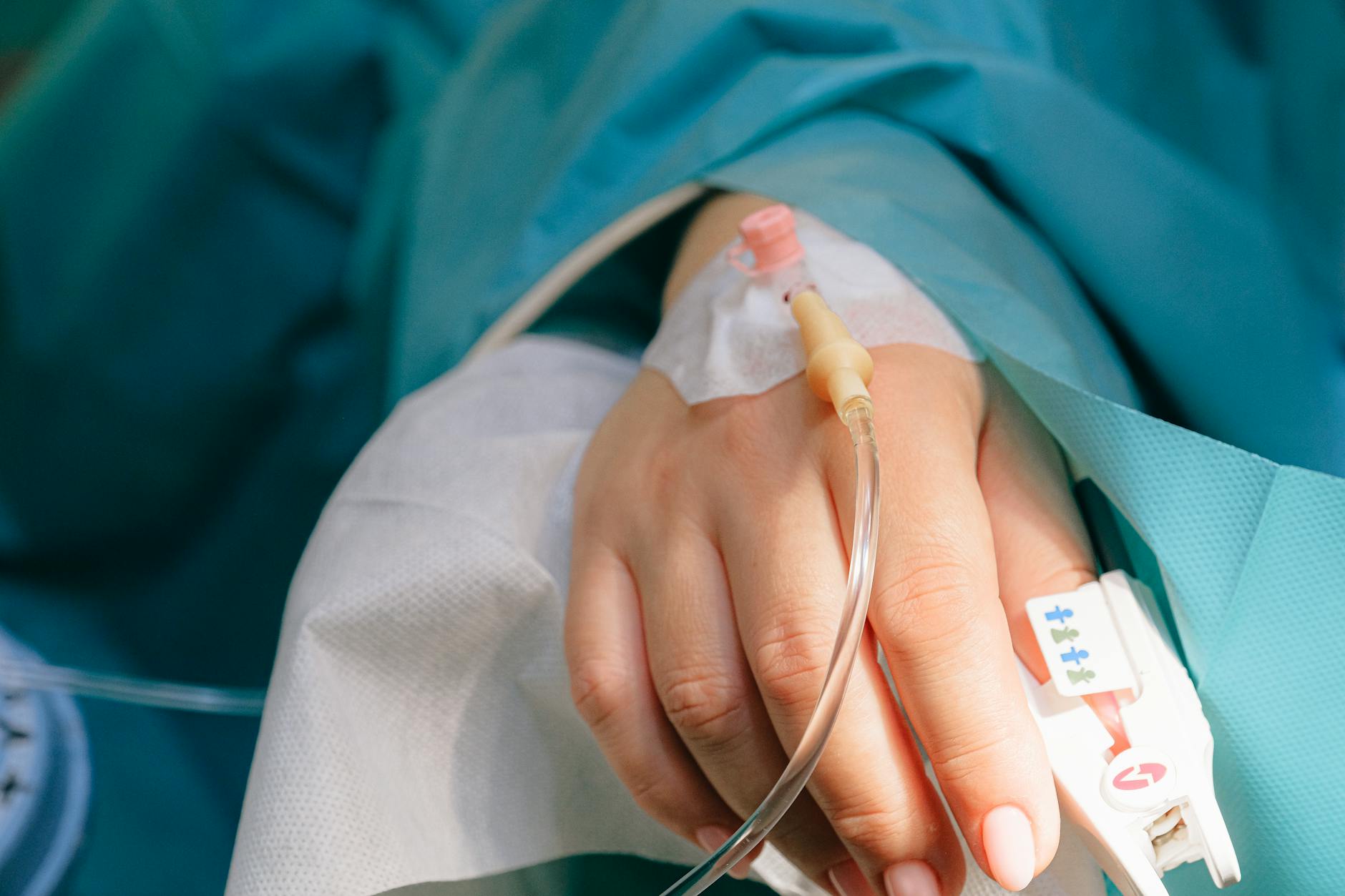
Picture this: You’re exploring the beautiful temples of Kyoto when suddenly you feel sharp stomach pain. 😰 Or maybe you’re a Vancouver resident planning your dream trip to Japan, but you’re worried about what would happen if you got sick or injured while there. 🤕
Medical emergencies don’t wait for convenient times or language proficiency levels! Whether you’re a tourist visiting Japan, an international student, or someone living there temporarily, knowing how to communicate about health issues in Japanese could literally be a lifesaver. 🆘
At NihongoKnow, we believe that practical, real-world Japanese should include preparing for situations you hope you’ll never need—but will be incredibly grateful to know if you do. Let’s explore the essential phrases and cultural knowledge that will help you navigate Japanese healthcare with confidence! 💪
Quick View 📋
Reading Time: 9 minutes
Target Audience: Japan travelers, expats, and Japanese learners in Vancouver, Canada, and worldwide
Key Benefits: Master critical Japanese phrases for medical situations and hospital visits
Emergency Focus: Life-saving communication skills for health crises in Japan
Perfect For: Travelers to Japan, people living in Japan, and anyone planning extended stays
- Quick View 📋
- Why Medical Japanese Is Different (And Critical!) 🚨
- Emergency Essentials: Your Medical Japanese Survival Kit 🆘
- Navigating Hospital Reception: First Impressions Matter 🏢
- Describing Symptoms: The Art of Medical Communication 💬
- Time, Duration & Symptom History 📅
- Allergies & Medical History: Critical Safety Information ⚠️
- Communicating with Medical Staff: Questions & Concerns 👩⚕️
- Cultural Considerations: Hospital Etiquette in Japan 🎌
- Emergency Preparedness: Before You Travel 🎒
- Master Medical Japanese: Your Health, Your Confidence 🌟
- Ready to Travel Japan with Medical Confidence? 🗾
Why Medical Japanese Is Different (And Critical!) 🚨
Healthcare communication in Japan involves unique challenges that go far beyond typical tourist Japanese:
🏥 Healthcare System Differences:
- Different medical terminology – Even English medical terms are adapted differently
- Formal language requirements – Medical settings demand polite, respectful Japanese
- Cultural communication styles – Indirect communication can complicate urgent situations
- Insurance complexities – Understanding coverage and payment systems
⚡ High-Stakes Communication:
- Zero room for misunderstandings when describing symptoms
- Time-sensitive situations requiring clear, quick communication
- Technical vocabulary that doesn’t appear in regular conversation
- Cultural sensitivity around personal health topics
🌍 Common Scenarios for Vancouver Residents:
- Business trips to Japan – Unexpected illness while traveling for work
- Family visits – Medical issues while staying with Japanese relatives
- Study abroad programs – Health problems during academic exchanges
- Tourism emergencies – Accidents or sudden illness while sightseeing
- Long-term residence – Managing ongoing health needs while living in Japan
Emergency Essentials: Your Medical Japanese Survival Kit 🆘
Let’s start with the most critical phrases you need to know for urgent situations:
🚨 EMERGENCY PHRASES (Memorize These!):
助けて!
Tasukete!
“Help!”
When to use: True emergencies, accidents, severe pain
救急車を呼んでください!
Kyūkyūsha wo yonde kudasai!
“Please call an ambulance!”
When to use: Serious medical emergencies requiring immediate transport
英語が分かる医者はいますか?
Eigo ga wakaru isha wa imasu ka?
“Is there a doctor who speaks English?”
When to use: When you need complex medical communication
痛い!
Itai!
“It hurts!” / “Ouch!”
When to use: Expressing immediate pain
気分が悪いです。
Kibun ga warui desu.
“I feel terrible/sick.”
When to use: General illness, nausea, feeling unwell
📞 Getting Help Fast:
病院はどこですか?
Byōin wa doko desu ka?
“Where is the hospital?”
一番近い病院を教えてください。
Ichiban chikai byōin wo oshiete kudasai.
“Please tell me the nearest hospital.”
タクシーで病院に行きたいです。
Takushii de byōin ni ikitai desu.
“I want to go to the hospital by taxi.”
Navigating Hospital Reception: First Impressions Matter 🏢
Once you reach the hospital, these phrases will help you communicate with reception staff:
📋 Registration & Check-in:
初めてです。
Hajimete desu.
“This is my first time here.”
診てもらいたいです。
Mite moraitai desu.
“I would like to be examined.”
予約がありません。
Yoyaku wa arimasen.
“I don’t have an appointment.”
緊急です。
Kinkyū desu.
“This is urgent.”
保険証があります。
Hokenshō ga arimasu.
“I have an insurance card.”
海外旅行保険があります。
Kaigai ryokō hoken ga arimasu.
“I have overseas travel insurance.”
💳 Payment & Insurance:
いくらですか?
Ikura desu ka?
“How much does it cost?”
クレジットカードは使えますか?
Kurejitto kādo wa tsukaemasu ka?
“Can I use a credit card?”
領収書をください。
Ryōshūsho wo kudasai.
“Please give me a receipt.”
📝 Personal Information:
名前は[your name]です。
Namae wa [your name] desu.
“My name is [your name].”
カナダから来ました。
Kanada kara kimashita.
“I came from Canada.”
日本語があまり分かりません。
Nihongo ga amari wakarimasen.
“I don’t understand Japanese very well.”
Describing Symptoms: The Art of Medical Communication 💬
This is where precise vocabulary becomes crucial. Here’s how to describe what you’re experiencing:
🌡️ General Health Conditions:
具合が悪いです。
Guai ga warui desu.
“I don’t feel well.” (General malaise)
体調が良くありません。
Taichō ga yoku arimasen.
“I’m not in good physical condition.” (More formal)
熱があります。
Netsu ga arimasu.
“I have a fever.”
熱を測ってください。
Netsu wo hakatte kudasai.
“Please take my temperature.”
血圧を測ってください。
Ketsuatsu wo hakatte kudasai.
“Please check my blood pressure.”
🤕 Specific Pain Descriptions:
Location-Specific Pain:
頭が痛いです。
Atama ga itai desu.
“I have a headache.”
首が痛いです。
Kubi ga itai desu.
“My neck hurts.”
背中が痛いです。
Senaka ga itai desu.
“My back hurts.”
胸が痛いです。
Mune ga itai desu.
“My chest hurts.”
お腹が痛いです。
Onaka ga itai desu.
“My stomach/abdomen hurts.”
足が痛いです。
Ashi ga itai desu.
“My leg/foot hurts.”
手が痛いです。
Te ga itai desu.
“My hand/arm hurts.”
Pain Intensity & Quality:
少し痛いです。
Sukoshi itai desu.
“It hurts a little.”
とても痛いです。
Totemo itai desu.
“It hurts a lot.”
我慢できないほど痛いです。
Gaman dekinai hodo itai desu.
“It hurts unbearably.”
ズキズキ痛みます。
Zukizuki itamimasu.
“It’s throbbing pain.”
刺すような痛みです。
Sasu yōna itami desu.
“It’s a stabbing pain.”
鈍い痛みです。
Nibui itami desu.
“It’s a dull ache.”
🤒 Respiratory & Throat Issues:
喉が痛いです。
Nodo ga itai desu.
“I have a sore throat.”
咳が出ます。
Seki ga demasu.
“I have a cough.”
痰が出ます。
Tan ga demasu.
“I’m coughing up phlegm.”
息苦しいです。
Ikigurushii desu.
“I have difficulty breathing.”
鼻水が出ます。
Hanamizu ga demasu.
“I have a runny nose.”
鼻が詰まっています。
Hana ga tsumatte imasu.
“My nose is blocked.”
🤢 Digestive Issues:
吐き気がします。
Hakike ga shimasu.
“I feel nauseous.”
吐きました。
Hakimashita.
“I threw up/vomited.”
下痢をしています。
Geri wo shite imasu.
“I have diarrhea.”
便秘です。
Benpi desu.
“I’m constipated.”
食欲がありません。
Shokuyoku ga arimasen.
“I have no appetite.”
😵 Neurological & Mental Symptoms:
めまいがします。
Memai ga shimasu.
“I feel dizzy.”
頭がふらつきます。
Atama ga furatsukimasu.
“I feel lightheaded.”
気を失いました。
Ki wo ushinaimashita.
“I lost consciousness/fainted.”
記憶がはっきりしません。
Kioku ga hakkiri shimasen.
“My memory is unclear.”
Time, Duration & Symptom History 📅
Medical professionals need to understand when symptoms started and how they’ve progressed:
⏰ Time-Based Descriptions:
今朝から痛いです。
Kesa kara itai desu.
“It’s been hurting since this morning.”
昨日から調子が悪いです。
Kinō kara chōshi ga warui desu.
“I’ve been feeling unwell since yesterday.”
三日前から熱があります。
Mikkamae kara netsu ga arimasu.
“I’ve had a fever for three days.”
一週間くらい続いています。
Isshūkan kurai tsuzuite imasu.
“It’s been continuing for about a week.”
だんだん痛くなってきました。
Dandan itaku natte kimashita.
“It’s gradually gotten more painful.”
急に痛くなりました。
Kyū ni itaku narimashita.
“It suddenly became painful.”
📊 Frequency & Pattern:
時々痛みます。
Tokidoki itamimasu.
“It hurts sometimes.”
ずっと痛いです。
Zutto itai desu.
“It hurts constantly.”
朝が一番痛いです。
Asa ga ichiban itai desu.
“It hurts most in the morning.”
動くと痛いです。
Ugoku to itai desu.
“It hurts when I move.”
食べると痛くなります。
Taberu to itaku narimasu.
“It becomes painful when I eat.”
Allergies & Medical History: Critical Safety Information ⚠️
This information can be life-saving in emergency situations:
🚫 Allergy Declarations:
アレルギーがあります。
Arerugī ga arimasu.
“I have allergies.”
薬のアレルギーがあります。
Kusuri no arerugī ga arimasu.
“I have drug allergies.”
ペニシリンにアレルギーがあります。
Penishirin ni arerugī ga arimasu.
“I’m allergic to penicillin.”
食べ物のアレルギーがあります。
Tabemono no arerugī ga arimasu.
“I have food allergies.”
エビにアレルギーがあります。
Ebi ni arerugī ga arimasu.
“I’m allergic to shrimp.”
💊 Current Medications:
薬を飲んでいます。
Kusuri wo nonde imasu.
“I’m taking medication.”
血圧の薬を飲んでいます。
Ketsuatsu no kusuri wo nonde imasu.
“I’m taking blood pressure medication.”
糖尿病の薬を飲んでいます。
Tōnyōbyō no kusuri wo nonde imasu.
“I’m taking diabetes medication.”
薬のリストを持っています。
Kusuri no risuto wo motte imasu.
“I have a list of my medications.”
🏥 Medical History:
手術をしたことがあります。
Shujutsu wo shita koto ga arimasu.
“I’ve had surgery before.”
心臓病があります。
Shinzōbyō ga arimasu.
“I have heart disease.”
高血圧です。
Kōketsuatsu desu.
“I have high blood pressure.”
糖尿病です。
Tōnyōbyō desu.
“I have diabetes.”
妊娠しています。
Ninshin shite imasu.
“I’m pregnant.”
Communicating with Medical Staff: Questions & Concerns 👩⚕️
These phrases help you understand your treatment and ask important questions:
🔍 Understanding Your Condition:
何が悪いのですか?
Nani ga warui no desu ka?
“What’s wrong with me?”
病名を教えてください。
Byōmei wo oshiete kudasai.
“Please tell me the name of my illness.”
どのくらいで治りますか?
Dono kurai de naorimasu ka?
“How long will it take to get better?”
重い病気ですか?
Omoi byōki desu ka?
“Is it a serious illness?”
手術が必要ですか?
Shujutsu ga hitsuyō desu ka?
“Do I need surgery?”
💊 Medication Instructions:
薬はどう飲めばいいですか?
Kusuri wa dō nomeba ii desu ka?
“How should I take this medicine?”
一日何回飲みますか?
Ichinichi nankai nomimasu ka?
“How many times per day do I take it?”
食前ですか、食後ですか?
Shokuzen desu ka, shokugo desu ka?
“Before meals or after meals?”
副作用はありますか?
Fukusayō wa arimasu ka?
“Are there any side effects?”
他の薬と一緒に飲んでも大丈夫ですか?
Hoka no kusuri to issho ni nonde mo daijōbu desu ka?
“Is it okay to take with other medications?”
📅 Follow-up & Recovery:
また来る必要がありますか?
Mata kuru hitsuyō ga arimasu ka?
“Do I need to come back again?”
いつ来ればいいですか?
Itsu kureba ii desu ka?
“When should I come back?”
仕事を休む必要がありますか?
Shigoto wo yasumu hitsuyō ga arimasu ka?
“Do I need to take time off work?”
運動してもいいですか?
Undō shite mo ii desu ka?
“Is it okay to exercise?”
お風呂に入ってもいいですか?
Ofuro ni haitte mo ii desu ka?
“Is it okay to take a bath?”
Cultural Considerations: Hospital Etiquette in Japan 🎌
Understanding Japanese healthcare culture will help you navigate more smoothly:
🙏 Politeness & Respect:
- Always use polite language (です/ます forms) with medical staff
- Bow slightly when greeting doctors and nurses
- Remove shoes when entering certain areas of clinics
- Turn off your phone or put it on silent mode
- Wait quietly and avoid loud conversations
💰 Payment Culture:
- Cash is often preferred for payments
- Ask about payment options before receiving treatment
- Keep all receipts for insurance claims
- Understand that emergency care can be expensive without insurance
🕐 Timing & Appointments:
- Arrive early for appointments
- Emergency rooms prioritize by severity, not arrival time
- Be patient – Japanese healthcare is thorough but can be slow
- Bring something to read as waiting times can be long
Emergency Preparedness: Before You Travel 🎒
📋 Essential Preparations:
📱 Save These Numbers:
- 119 – Ambulance/Fire emergency number in Japan
- 110 – Police emergency number
- Your embassy contact information
📄 Prepare Documents:
- Travel insurance information (English and Japanese if possible)
- Medication list with generic names in English and Japanese
- Allergy information clearly written
- Emergency contact information
- Copy of passport and relevant visas
💊 Medical Kit:
- Regular medications with original labels
- Basic first aid supplies
- Thermometer
- This phrase list printed and laminated!
📱 Useful Apps:
- Google Translate with camera function for signs
- Emergency SOS features on smartphones
- Japan Travel app with medical facility locations
- Currency converter for understanding costs
Master Medical Japanese: Your Health, Your Confidence 🌟
Medical emergencies are scary enough in your native language—don’t let language barriers make them worse! Whether you’re planning a short vacation to Japan or considering a longer stay, these phrases and cultural insights will give you the confidence to handle health issues effectively. 💪
Remember: ✅ Preparation prevents panic – memorize key emergency phrases
✅ Politeness opens doors – respectful language gets better help
✅ Precision matters – specific symptom descriptions lead to better treatment
✅ Cultural awareness helps navigate the healthcare system smoothly
✅ Documentation saves time – proper paperwork speeds up care
Your health and safety in Japan depend on effective communication. Don’t leave it to chance! 🎯
Ready to Travel Japan with Medical Confidence? 🗾
Don’t let fear of medical communication prevent you from experiencing everything Japan has to offer! With proper preparation and the right phrases, you can handle any health situation with confidence.
🌟 At NihongoKnow, we believe practical Japanese should prepare you for real-life situations—including the ones you hope never to encounter. Join thousands of confident travelers who’ve learned to navigate Japan’s healthcare system with skill and cultural awareness!
Transform anxiety into confidence today! 🚀