
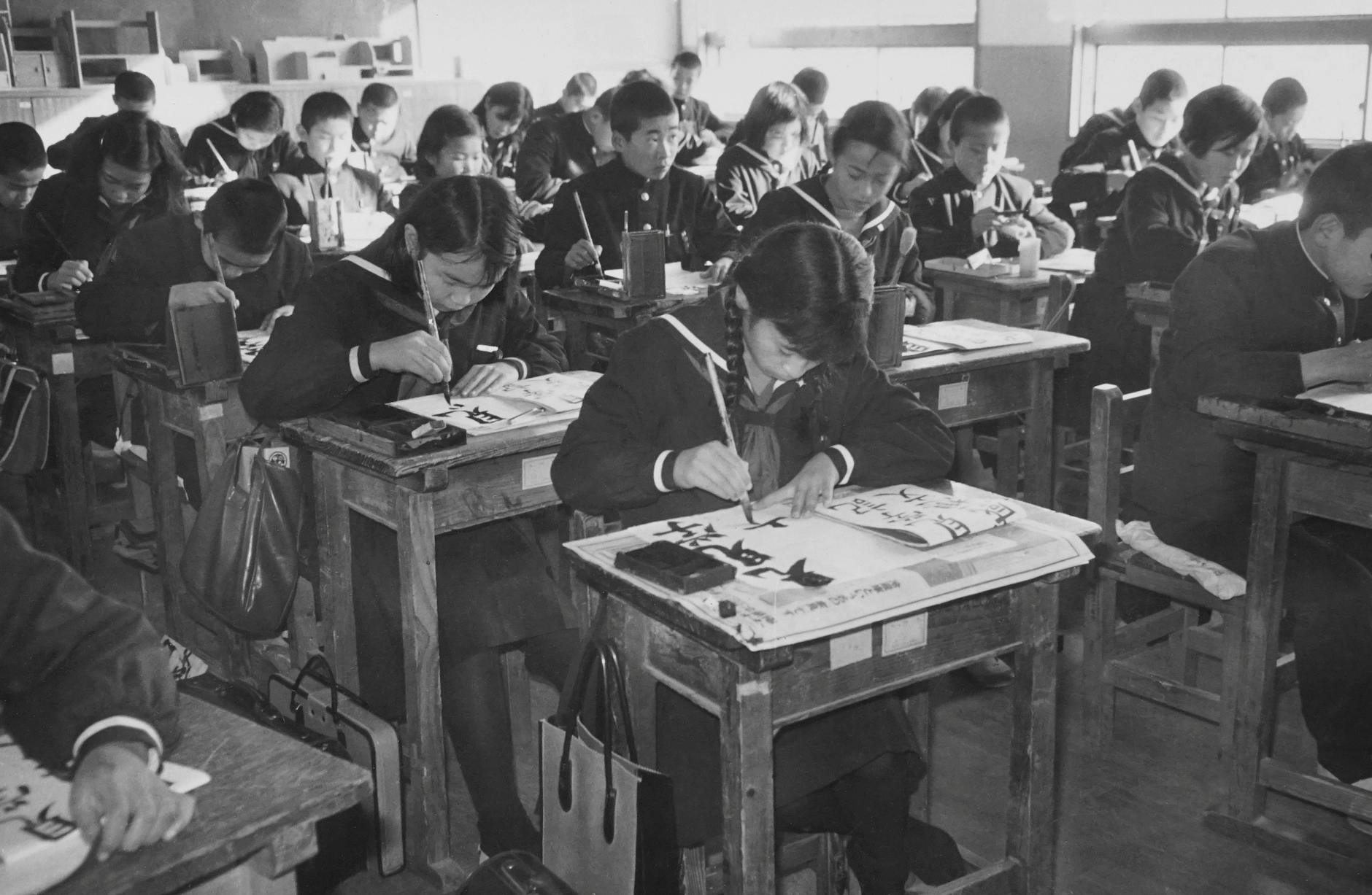
Are you curious about how school life differs between Canada and Japan? 🤔 Whether you’re a Vancouver student learning Japanese, a parent considering cultural exchange programs, or simply fascinated by educational systems worldwide, understanding these differences can open your mind to new perspectives on learning and community!At NihongoKnow.com, we believe that exploring cultural differences helps us become better global citizens. Let’s dive into the fascinating world of school cultures across the Pacific! 🌊
Quick View 📋
What You’ll Learn:
- 🏫 5 major differences between Canadian and Japanese school systems
- 📚 How these differences impact student life and learning
- 🌟 Benefits of understanding both cultures for Vancouver families
- 💡 Practical insights for Japanese language learners and cultural enthusiasts
Reading Time: 5 minutes
Best For: Vancouver students, parents, Japanese language learners, and educators
- Quick View 📋
- Why Understanding School Cultures Matters 🎯
- 5 Key Differences Between Canadian and Japanese School Cultures
- What Vancouver Students Can Learn from Both Systems 🌟
- How This Knowledge Helps Japanese Language Learning 📖🗣️
- Bridging Cultures in Vancouver's Educational Landscape 🌉
- Taking Your Understanding Further 📈
- Ready to Explore Japanese Culture and Language? 🚀
Why Understanding School Cultures Matters 🎯
In Vancouver’s diverse multicultural landscape, many families have connections to both Canadian and Japanese cultures. Understanding these educational differences helps:
- Students appreciate different learning environments 📖
- Parents make informed decisions about education 👨👩👧👦
- Language learners understand cultural context behind Japanese lessons 🗣️
Educators incorporate diverse teaching methods 👩🏫
5 Key Differences Between Canadian and Japanese School Cultures
1. School Hours and After-School Activities ⏰
🇯🇵 Japan: School life in Japan extends well beyond regular class hours! Students typically:
- Attend classes from morning until mid-afternoon 📚
- Participate in mandatory club activities (部活動 – bukatsudō) after school 🏃♀️⚽
- Stay at school until evening, creating strong bonds with classmates and teachers 👥
- Develop discipline and commitment through daily practice 💪
🇨🇦 Canada (including Vancouver schools): Canadian students enjoy more flexibility in their schedules:
- Classes typically run from morning until around 3:00 PM 🕐
- After-school activities are optional and less frequent 🎭🏀
- Students have more personal time for family, hobbies, and part-time jobs 🏠
- Greater emphasis on work-life balance from an early age ⚖️
2. School Uniforms: Tradition vs. Individual Expression 👔👗
🇯🇵 Japan: Uniforms are deeply embedded in Japanese school culture:
- Middle and high schools almost universally require uniforms 🎓
- Popular styles include blazers, sailor suits (セーラー服), and distinctive school-specific designs ✨
- Uniforms promote equality and school identity 🤝
- Students take pride in their school’s unique uniform design 🌟
🇨🇦 Canada: Vancouver and other Canadian schools emphasize individual expression:
- Public schools typically allow casual clothing 👕👖
- Private schools may require uniforms, but it’s less common 🏫
- Students express personality through fashion choices 🎨
- Focus on comfort and practicality, especially during Vancouver’s rainy seasons ☔
3. Lunch Culture: Community vs. Choice 🍱🥪
🇯🇵 Japan: Mealtime is a community-building experience:
- Elementary schools provide nutritious school lunches (給食 – kyūshoku) 🍽️
- Students serve each other and eat together in their classrooms 👫
- Menus are carefully planned by nutritionists 🥗
- Cleaning up is everyone’s responsibility 🧹
🇨🇦 Canada: Vancouver schools offer more dining flexibility:
- Students typically bring packed lunches from home 🥙
- School cafeterias provide various food options 🍕🥗
- Students can eat in cafeterias, outdoors, or designated areas 🌳
- Greater accommodation for dietary restrictions and cultural food preferences 🌍
4. School Events and Celebrations 🎉🎊
🇯🇵 Japan: Major events create lasting memories and school spirit:
- Sports Festival (体育祭 – taiikusai): Competitive team-based athletic events 🏃♂️🤸♀️
- Cultural Festival (文化祭 – bunkasai): Student-organized performances and exhibitions 🎭🎨
- Students lead planning and organization, developing leadership skills 👑
- Whole-school participation creates strong community bonds 🤗
🇨🇦 Canada: Vancouver schools celebrate with different traditions:
- Prom: Formal graduation dance for high school seniors 💃🕺
- Spirit Days: Theme-based dress-up days throughout the year 🎪
- Multicultural events: Celebrating Vancouver’s diverse communities 🌈
- More individualized participation based on student interests 🎯
5. Cleaning and Responsibility 🧽✨
🇯🇵 Japan: Daily cleaning builds character and community responsibility:
- Students clean their own classrooms, hallways, and school grounds 🏫
- Soji no jikan (掃除の時間): Dedicated cleaning time teaches cooperation 🤝
- Develops respect for shared spaces and personal responsibility 🙏
- Instills values of humility and service to others 💝
🇨🇦 Canada: Professional maintenance ensures clean learning environments:
- Custodial staff handle most cleaning responsibilities 👨🔧
- Students focus more on academic and extracurricular activities 📚
- Different approach to teaching responsibility through other methods 🎯
- Emphasis on environmental stewardship through recycling programs ♻️
What Vancouver Students Can Learn from Both Systems 🌟
Living in Vancouver’s multicultural environment gives us a unique opportunity to appreciate both educational philosophies:
From Japanese Schools: 🇯🇵
- Community responsibility and working together for common goals 🤝
- Dedication and perseverance through regular practice and commitment 💪
- Respect for others and shared spaces 🙏
- Long-term relationship building with classmates and teachers ❤️
From Canadian Schools: 🇨🇦
- Individual expression and celebrating differences 🌈
- Work-life balance and personal time management ⚖️
- Flexibility in learning styles and activities 🔄
Multicultural appreciation in Vancouver’s diverse community 🌍
How This Knowledge Helps Japanese Language Learning 📖🗣️
Understanding school culture differences enhances your Japanese language journey:
- Vocabulary expansion: Learn school-related terms in context 📚
- Cultural competency: Understand references in Japanese media and conversations 🎬
- Conversation topics: Connect with Japanese speakers about shared experiences 💬
- Practical application: Use cultural knowledge in real-world situations 🌍
At NihongoKnow.com, we incorporate these cultural insights into our Vancouver-based Japanese lessons, helping students understand not just the language, but the rich culture behind it! 🎌
Bridging Cultures in Vancouver’s Educational Landscape 🌉
Vancouver’s unique position as a gateway between North America and Asia makes it the perfect place to explore these cultural differences. Many local schools now incorporate elements from both systems:
- Sister school programs connecting Vancouver and Japanese schools 🏫↔️🏫
- Cultural exchange opportunities for students and families ✈️
- Japanese language programs in Vancouver public schools 📝
- International Baccalaureate programs combining global perspectives 🌍
Taking Your Understanding Further 📈
Ready to deepen your appreciation for Japanese culture and language? Here’s how NihongoKnow.com can help Vancouver residents and students worldwide:
Our Services Include: 🎯
- Online Japanese lessons for all levels 💻
- Cultural workshops exploring Japanese traditions 🎎
- Conversation practice with native speakers 🗣️
- Study abroad preparation for Japan exchange programs ✈️
Why Choose NihongoKnow.com? ⭐
- Vancouver-based expertise understanding local needs 🏔️
- Certified instructors with cultural and teaching experience 👩🏫
- Flexible online scheduling for busy Vancouver lifestyles 📅
Community focus connecting learners across Canada and beyond 🇨🇦
Ready to Explore Japanese Culture and Language? 🚀
Understanding the differences between Canadian and Japanese school cultures is just the beginning of your cultural journey! Whether you’re a Vancouver student, parent, or lifelong learner, these insights provide a foundation for deeper cultural appreciation and language learning success.
Start your Japanese language adventure today with NihongoKnow.com! 🌟
📞 Contact us for:
- Online lesson packages for students worldwide
- Cultural workshop scheduling
- Custom learning plans for families and groups
🌐 Connect with us:
- Website: NihongoKnow.com
- Serving Vancouver, BC and students globally
- Specializing in cultural context and practical language skills
Transform your understanding of Japan while mastering the beautiful Japanese language – right here from Vancouver! 🇨🇦🇯🇵